Two updates landed within two weeks of each other that matter for anyone emulating PS3 games on a handheld PC: Valve's SteamOS 3.8.13 and 3.8.14 point releases (July 1 and July 3, 2026), and RPCS3's new SteamOS-style handheld overlay plus a Cell-CPU optimization worth 5-7% average FPS. Together they make PS3 emulation on a Steam Deck, ROG Ally, Legion Go, or MSI Claw noticeably less fiddly than it was a month ago.
What changed in July 2026
SteamOS 3.8.14 is the current stable build, shipping July 3, 2026 with a WiFi throughput fix, while RPCS3's overlay redesign and SPU optimization are the emulation-side story. Here is the short version:
| Update | Date | What it does |
|---|---|---|
| SteamOS 3.8.13 | Jul 1, 2026 | Fixes a Final Fantasy VII Rebirth crash regression and a loop that blocked controller firmware updates |
| SteamOS 3.8.14 | Jul 3, 2026 | Fixes WiFi speeds capped by routers advertising incorrect MCS requirements; security and stability fixes |
| RPCS3 handheld overlay | Rolling, 2026 | New SteamOS-inspired in-game overlay (Start + Select) with screenshots, save states, quick restart, resolution scaling and a framerate limiter |
| RPCS3 SPU/Cell optimization | 2026 | New PC codegen for SPU usage patterns; 5-7% average FPS gain in Twisted Metal, applied across all games |
Sources: LinuxCompatible on 3.8.13, LinuxCompatible on 3.8.14, Steam Deck HQ on RPCS3, Time Extension on the SPU breakthrough.
What SteamOS 3.8.13 and 3.8.14 fix
Both are stability patches on top of the SteamOS 3.8 stable release from June 18, 2026, not feature drops. SteamOS 3.8.13 closes a regression that crashed Final Fantasy VII Rebirth and repairs a loop that prevented controller firmware from updating on some hardware. SteamOS 3.8.14 follows two days later with a fix for WiFi speeds being throttled by routers that advertise incorrect MCS requirements, plus routine security and stability work. Neither changes how RPCS3 runs, but the controller-firmware and WiFi fixes remove two real annoyances for people who game away from a desk.
The bigger context is that SteamOS 3.8 extended official builds beyond the Steam Deck to the ROG Ally X, Legion Go 2, and MSI Claw 8 AI+. The steady 3.8.x cadence signals Valve is treating third-party handheld support as ongoing maintenance rather than a one-time port, per tech-insider's tracking.
RPCS3's new handheld UI and the Cell-CPU gain
RPCS3's redesigned overlay is the update that changes day-to-day PS3 emulation on a handheld, because you can finally tune a running game without quitting it. The old overlay technically existed but was barely usable: reaching audio or graphics settings meant digging through menu layers, and many options were locked while a game ran, per PC Gamer. The new overlay opens with Start + Select and surfaces screenshots, save states, quick restart, resolution scaling, and a framerate limiter alongside a consolidated graphics menu, per GAMES.GG. RPCS3 also added Steam Big Picture support, so it slots into the SteamOS library more cleanly.
The performance side comes from developer Elad identifying new SPU usage patterns and writing optimized PC code generation for them. The result is a 5-7% average FPS improvement in Twisted Metal, one of the most SPU-intensive titles in the library, and because the change targets the Cell processor's SPUs directly, the gains apply across all games rather than a single title. A few percent sounds small, but on handheld silicon that already runs PS3 emulation near its ceiling, it can be the difference between a locked 30 and a game that dips.
Which handhelds benefit most
The Steam Deck OLED and the higher-power x86 handhelds benefit most, because PS3 emulation is CPU-bound and these devices pair SteamOS compatibility with the thermal headroom to hold a frame target. Here is how the current lineup stacks up:
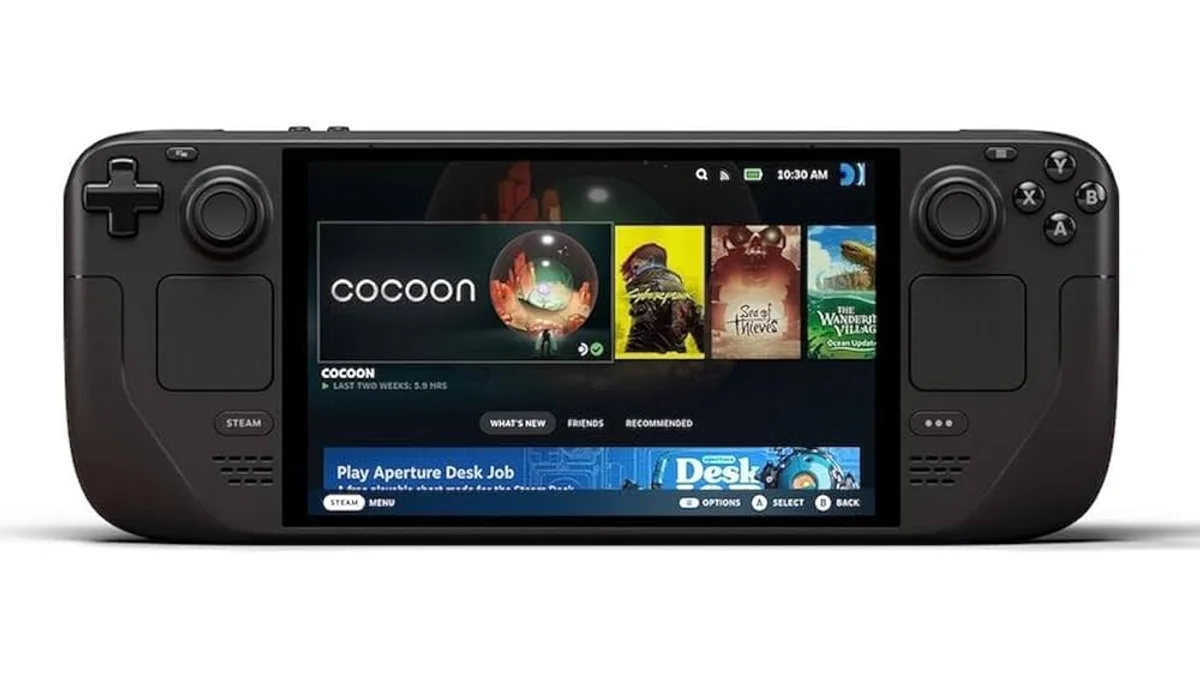
- Steam Deck OLED — The reference target for RPCS3 tuning and the only handheld with first-party "Powered by SteamOS" support. Not the fastest chip here, but the most predictable for PS3 emulation.
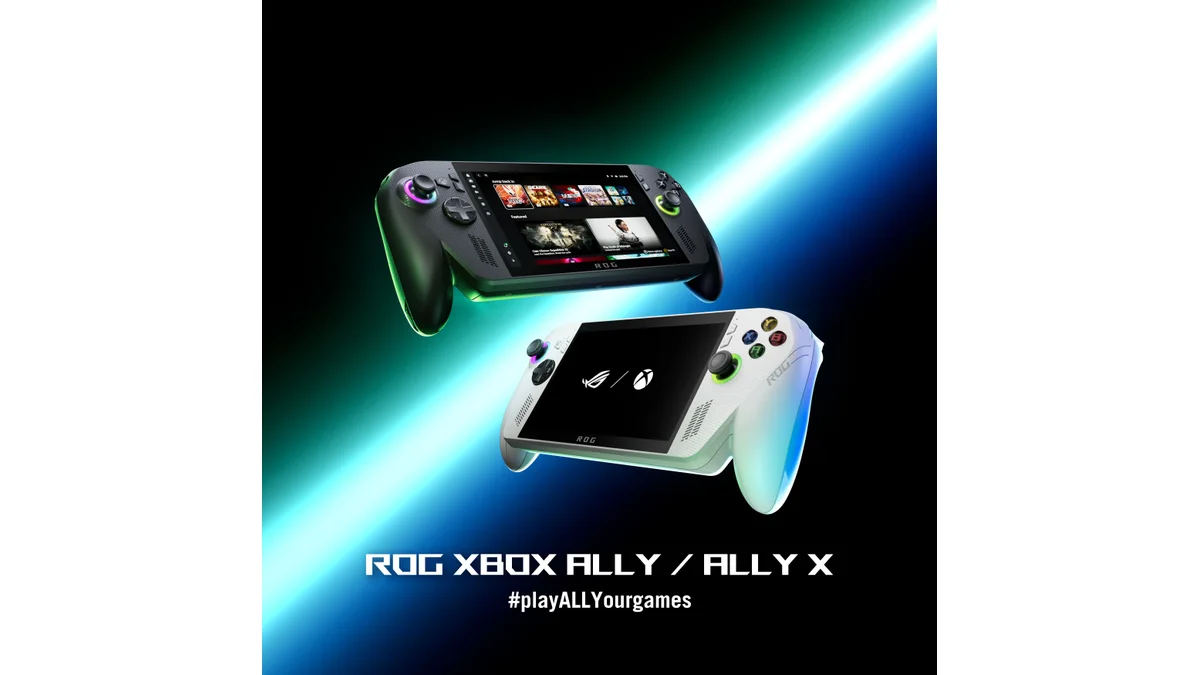
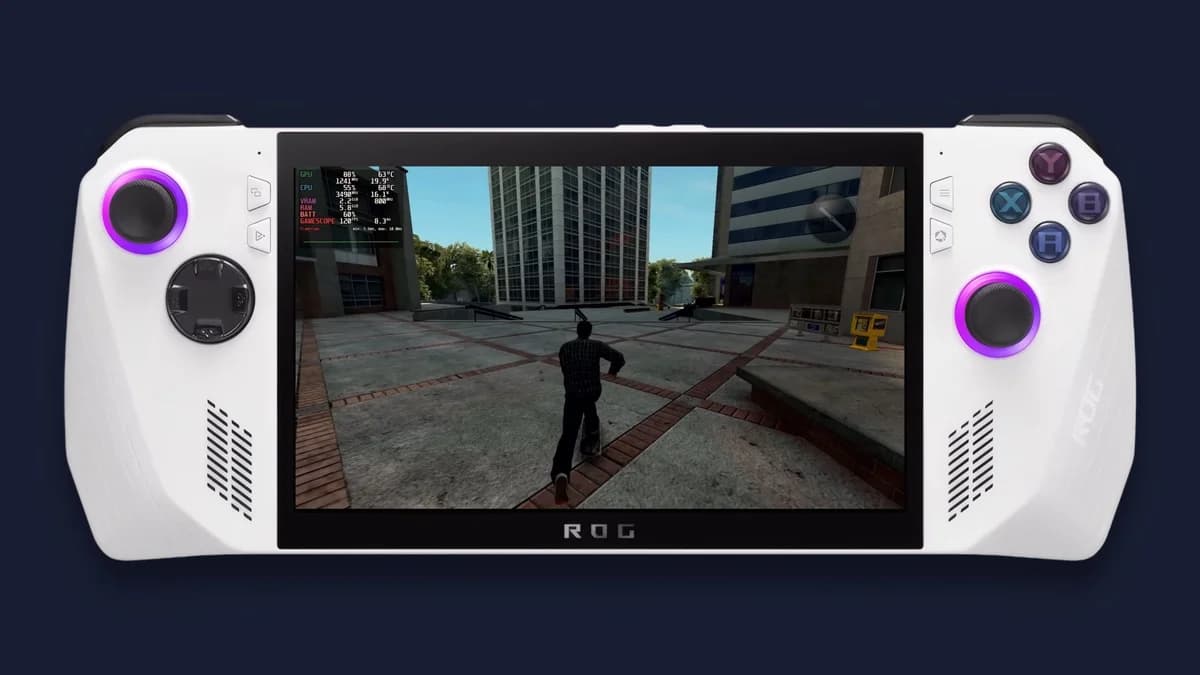
- ROG Ally X (2025) — Strong CPU and a large battery make it the best pick for demanding SPU-heavy games; runs SteamOS 3.8 on the enhanced-support tier.
- Legion Go 2 — Big screen and strong silicon; the SteamOS 3.8.13 controller-firmware fix is especially relevant to its detachable controllers.
- MSI Claw 8 AI+ — Intel-based and capable, though SteamOS support has needed the most device-specific patching across the 3.8.x line.
Only the Steam Deck, the Steam Machine, and the Legion Go S carry Valve's official "Powered by SteamOS" badge as of mid-July 2026; the Ally, Legion Go, and Claw sit on the enhanced-support tier, which is stable but still receiving fixes. If you are choosing between these for emulation, run your shortlist through our handheld picker or put two side by side in the comparison tool.
For more on where these platforms are heading, see our ROG Xbox Ally update coverage, the Legion Go 2 review, and our Steam Deck vs Steam Deck OLED breakdown.
How to update
Getting both updates is a two-step process: update SteamOS through Settings, then update RPCS3 through the app itself.
- SteamOS: Open Settings, go to System, and check for updates. On a Steam Deck or an enhanced-support handheld already running SteamOS 3.8, 3.8.14 installs like any point release and reboots once.
- RPCS3: Grab the latest build from the official RPCS3 site or your package manager. Flatpak users on SteamOS can update from Discover in Desktop Mode. The new overlay and SPU codegen ship in current builds automatically.
- After updating: Launch a game, press Start + Select to confirm the new overlay appears, and set your framerate limiter and resolution scale per title from there.
Back up your RPCS3 save states and config before a major version jump, and keep your firmware current so the SteamOS 3.8.13 controller fix actually takes effect.
FAQ
Is SteamOS 3.8.14 the latest SteamOS version in July 2026?
Yes. SteamOS 3.8.14 shipped July 3, 2026 as the current stable build, following SteamOS 3.8.13 on July 1. Both are point releases on top of the SteamOS 3.8 stable branch that launched June 18, 2026. Beta channels carry higher numbers such as 3.8.22, but 3.8.14 is the stable release most users are on.
What does SteamOS 3.8.13 fix?
SteamOS 3.8.13 fixes a regression that crashed Final Fantasy VII Rebirth and repairs a loop that prevented controller firmware from updating on some hardware. It is a stability patch with no new features. If you had controller firmware that would not update, this is the release that unblocks it.
Does the RPCS3 update improve PS3 emulation performance on handhelds?
Yes. RPCS3's 2026 SPU optimization delivers a 5-7% average FPS gain in Twisted Metal, one of the most SPU-intensive PS3 games, and because it optimizes the Cell processor's SPUs directly, the improvement applies across all games. On handhelds already near their emulation ceiling, that can hold a frame target that previously dipped.
How do I open the new RPCS3 handheld overlay?
Press Start + Select while a game is running. The redesigned overlay gives you screenshots, save states, quick restart, resolution scaling, and a framerate limiter alongside a consolidated graphics settings menu, all adjustable without quitting the game. That was the biggest gap in the old overlay, which locked many settings mid-session.
Which handheld is best for PS3 emulation right now?
The ROG Ally X (2025) is the strongest all-around pick for demanding PS3 titles thanks to its CPU and large battery, while the Steam Deck OLED is the most predictable because it is RPCS3's reference SteamOS target. The Legion Go 2 and MSI Claw 8 AI+ are also capable. Compare them directly in our comparison tool.
Do the ROG Ally, Legion Go, and MSI Claw have official SteamOS support?
They run SteamOS 3.8 on the enhanced-support tier, which is stable and actively patched, but only the Steam Deck, Steam Machine, and Legion Go S carry Valve's official "Powered by SteamOS" badge as of mid-July 2026. Enhanced support means the OS installs and works well, with device-specific fixes still arriving through 3.8.x point releases.