
Side-by-side device comparisons.
Pick up to three devices to compare specs, ergonomics, and playability.
Filters
Dial in OS, price, and quick score thresholds.
Compare tray
0/3docked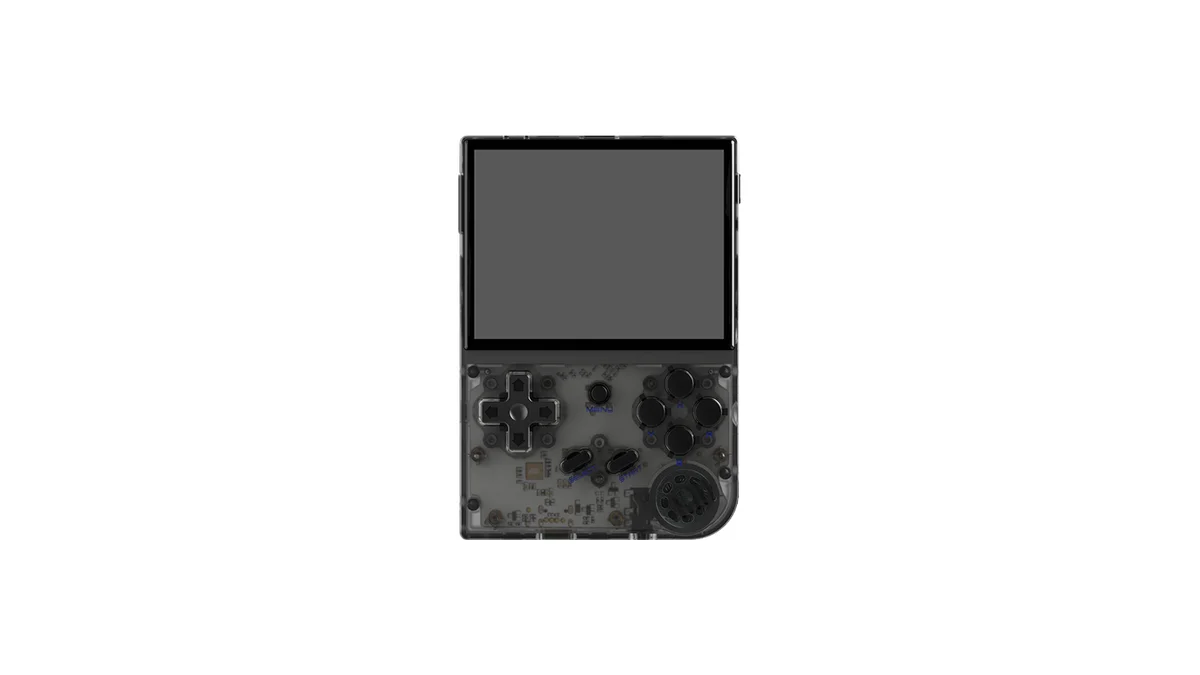
- 3.5" IPS 640x480
- H700 Quad-core ARM
- 3,300mAh
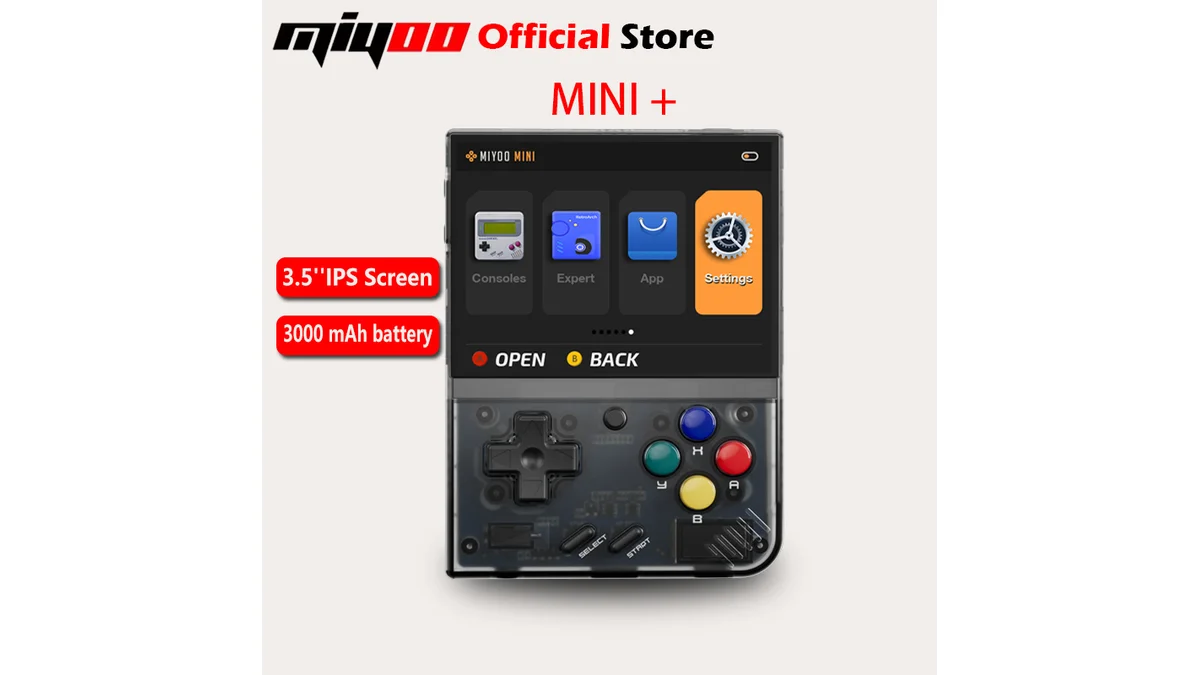
- 3.5" IPS 640x480
- Cortex-A7 Quad-core
- 3,000mAh
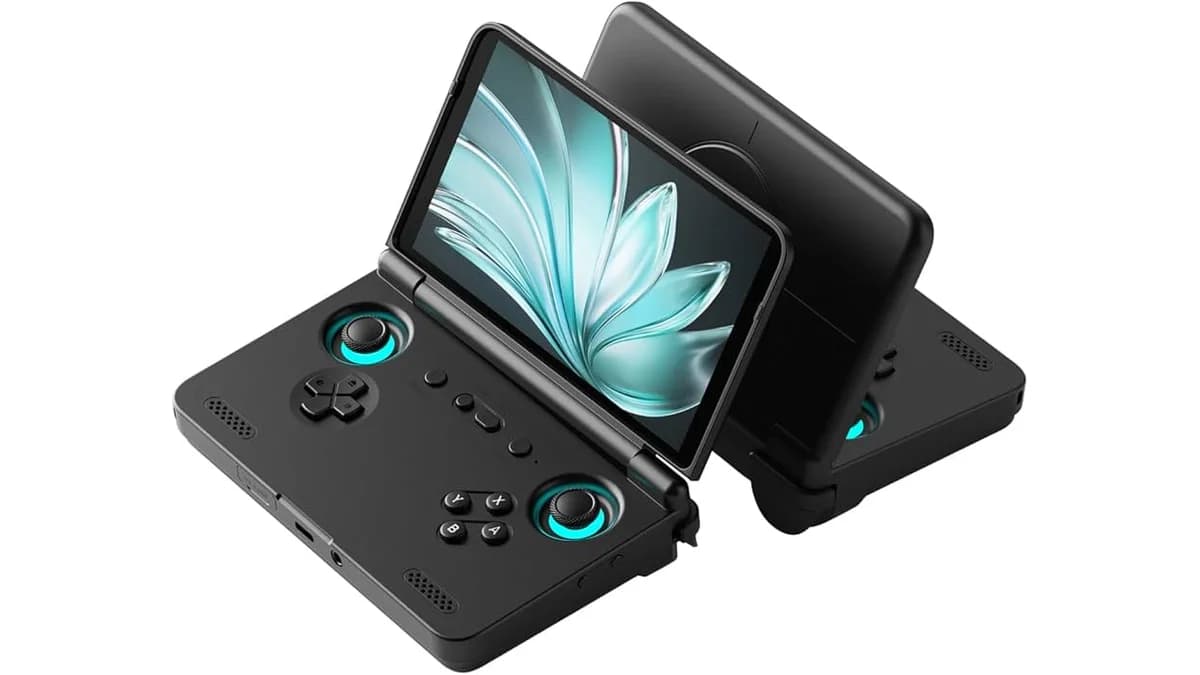
- 3.5" touchscreen 640x480
- Unisoc T610
- 4,000mAh
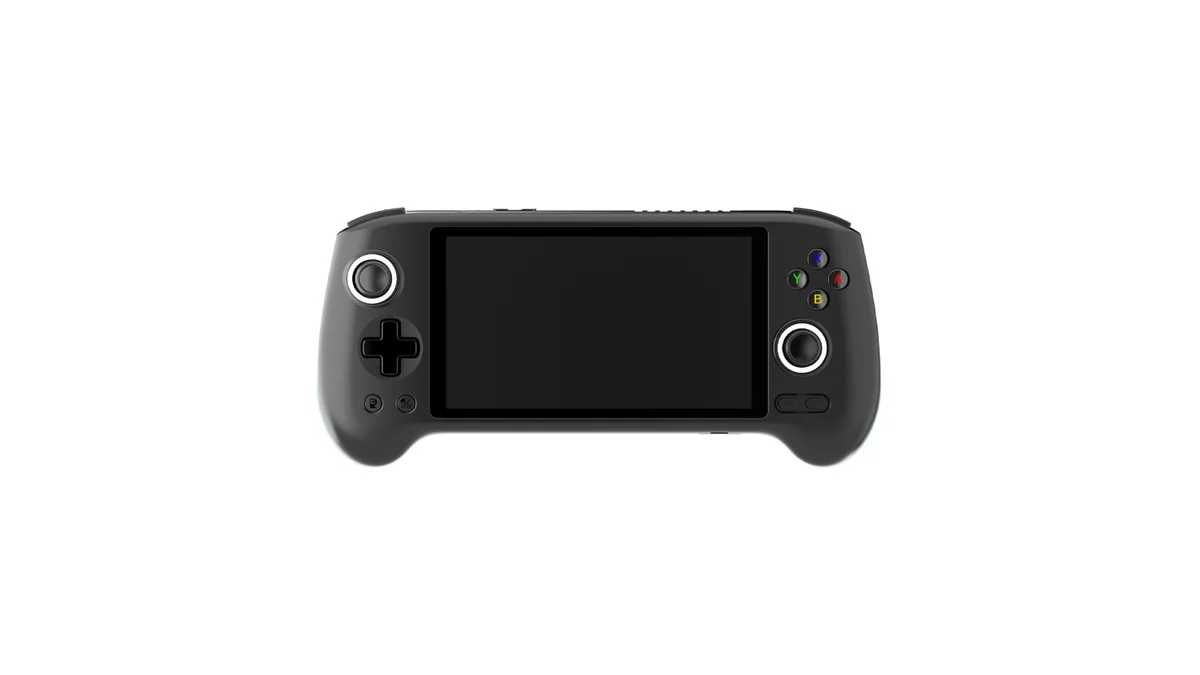
- 5.48" AMOLED 1920x1080
- Unisoc T820
- 5,500mAh
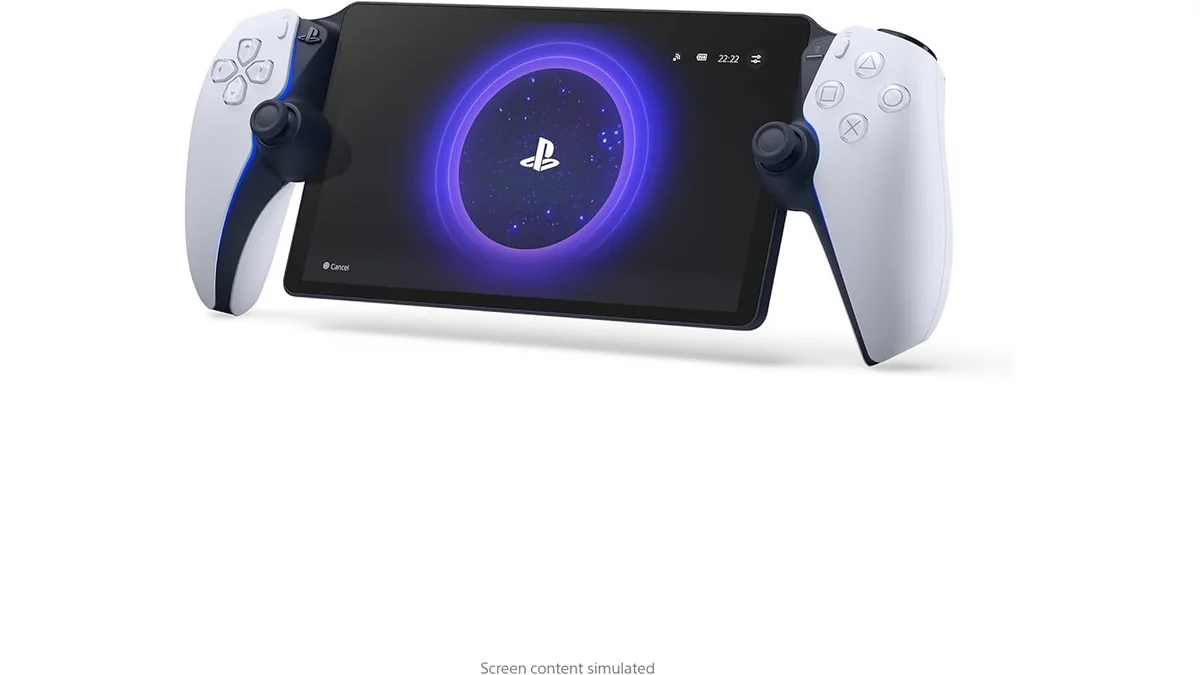
- 8" LCD 1920x1080
- Custom Qualcomm
- 4,500mAh
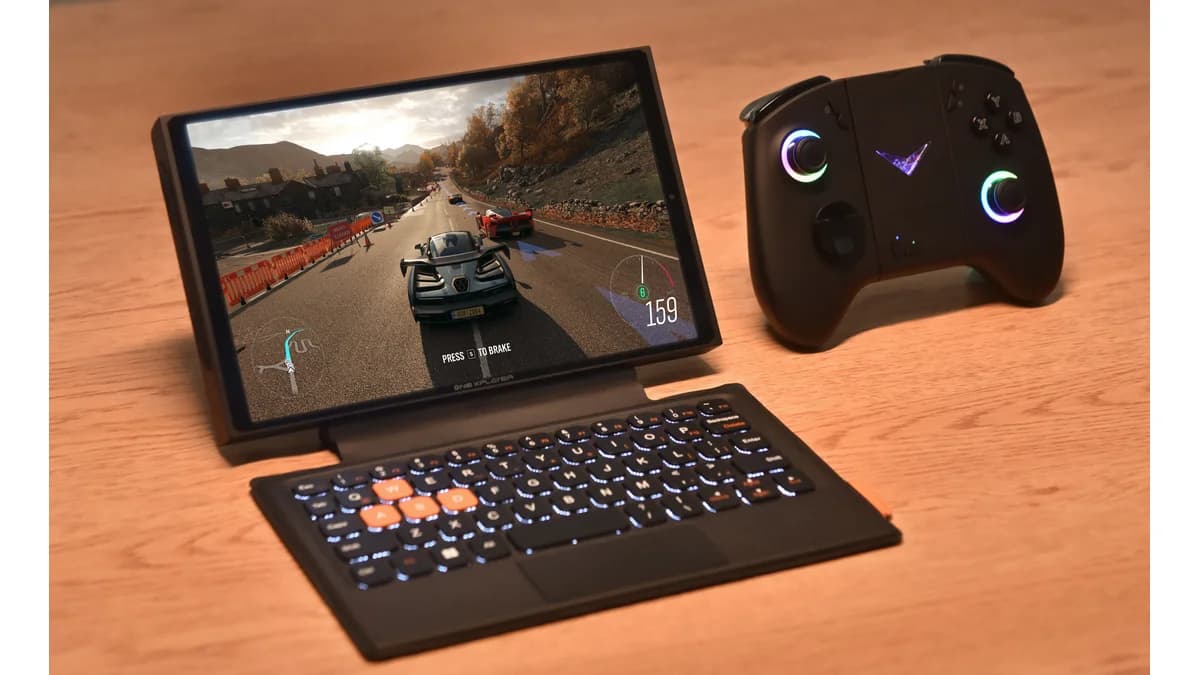
- 8.8" IPS 2560x1600 144Hz
- AMD Ryzen 7 8840U
- 65.5Whr
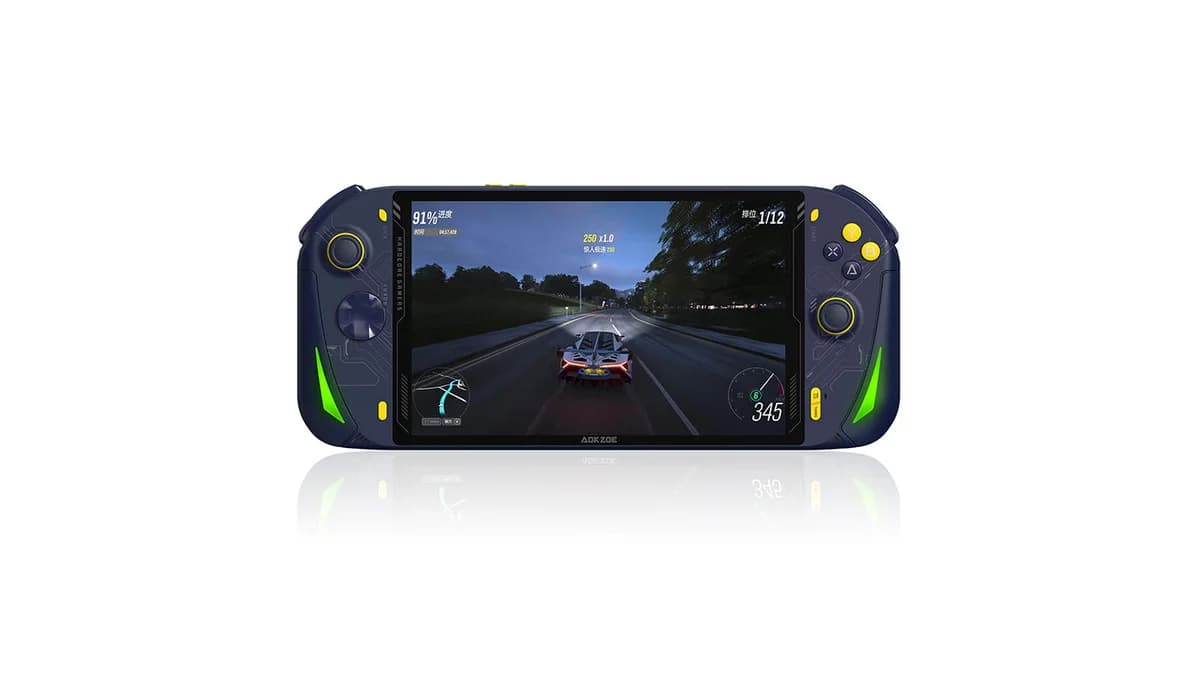
- 7" IPS 1920x1200 120Hz
- AMD Ryzen 7 7840U
- 65Whr
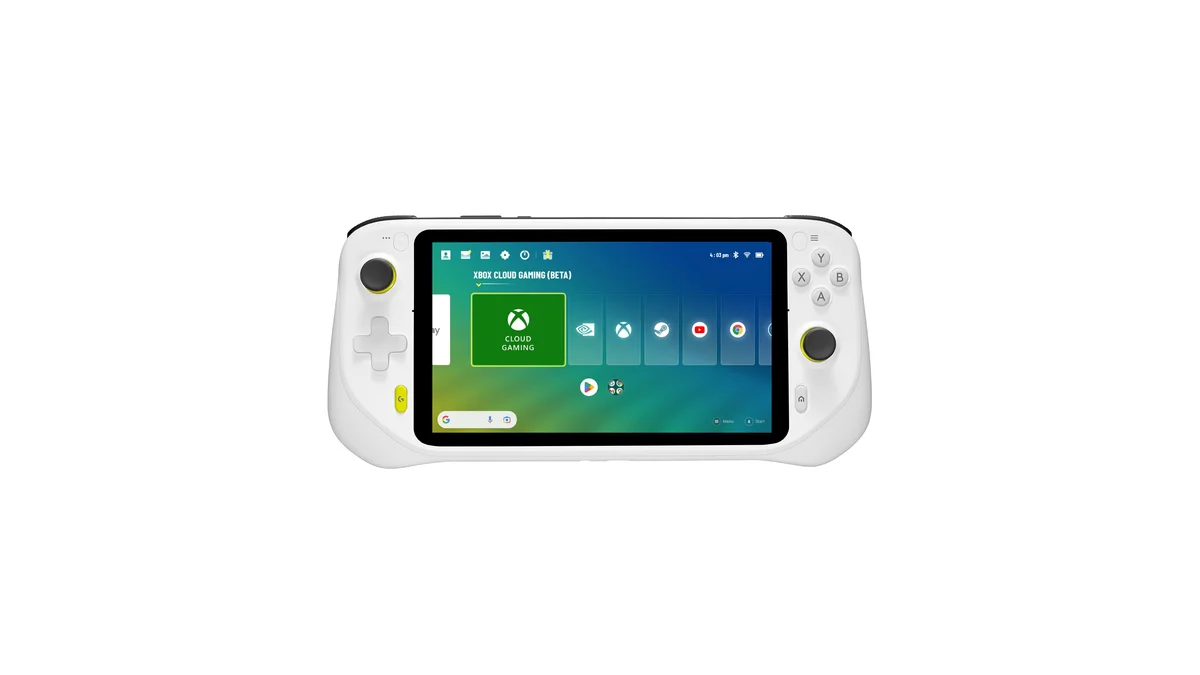
- 7" IPS 1920x1080 60Hz
- Qualcomm Snapdragon 720G
- ~23Whr (12+ hour streaming)
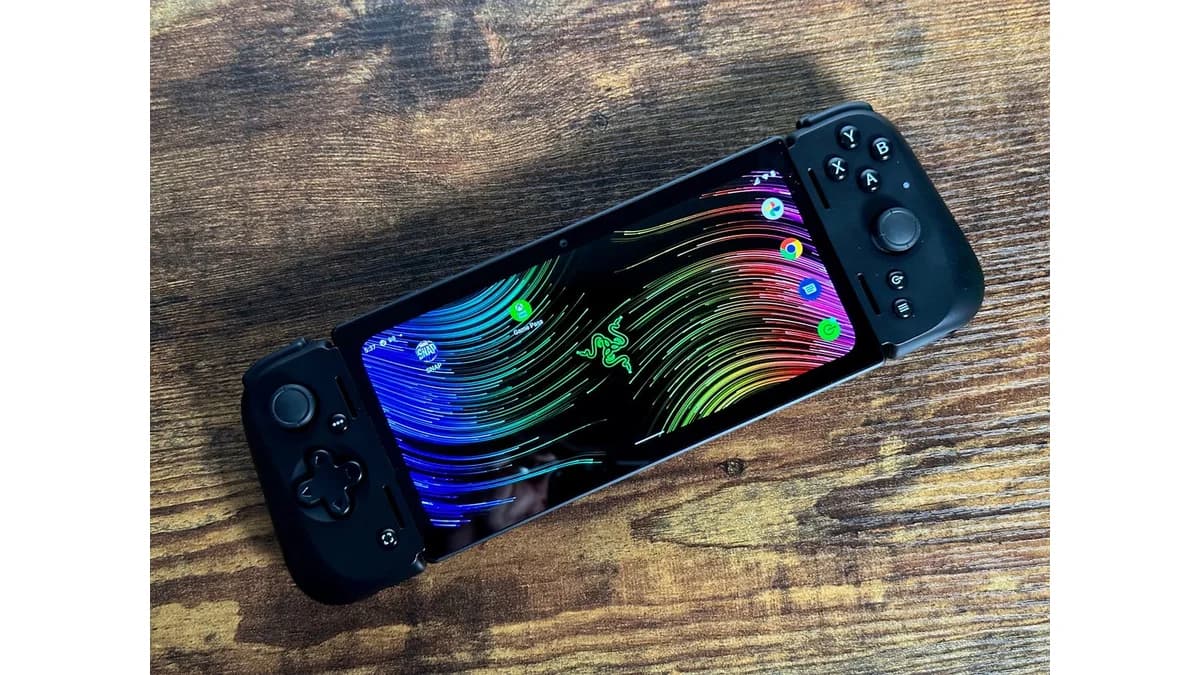
- 6.8" AMOLED 2400x1080 144Hz
- Snapdragon G3x Gen 1
- 5,000mAh
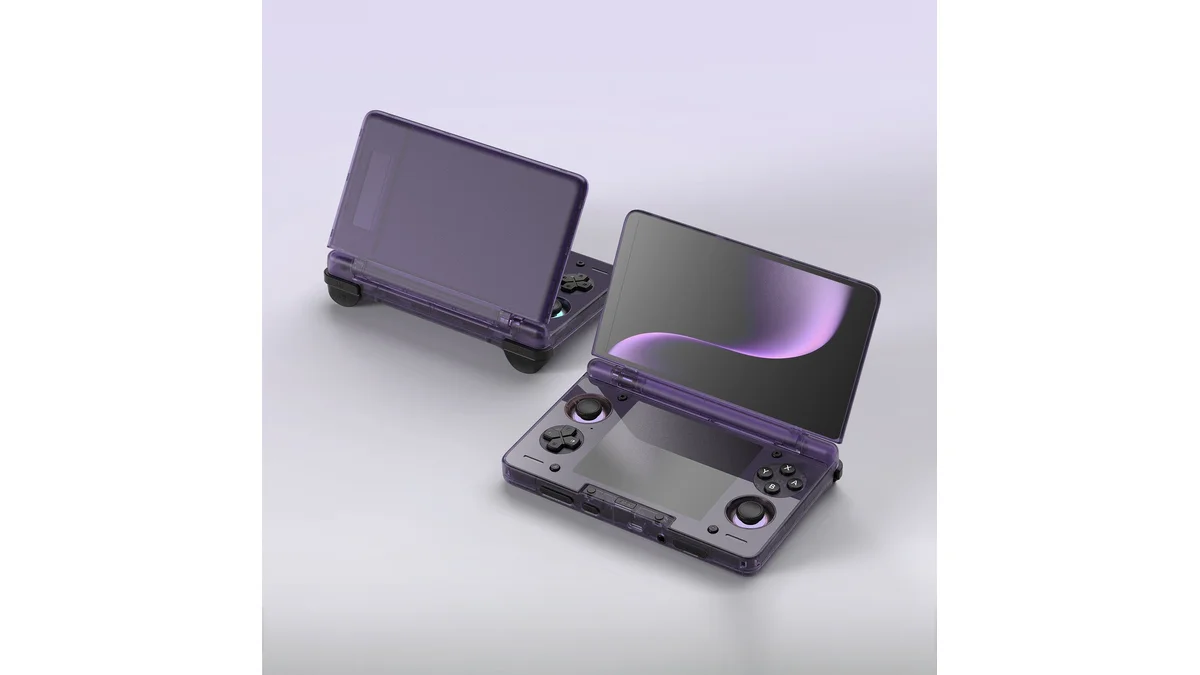
- Dual AMOLED (clamshell)
- Snapdragon 8 Gen 2 (varies by SKU)
- ~6,000-7,000mAh
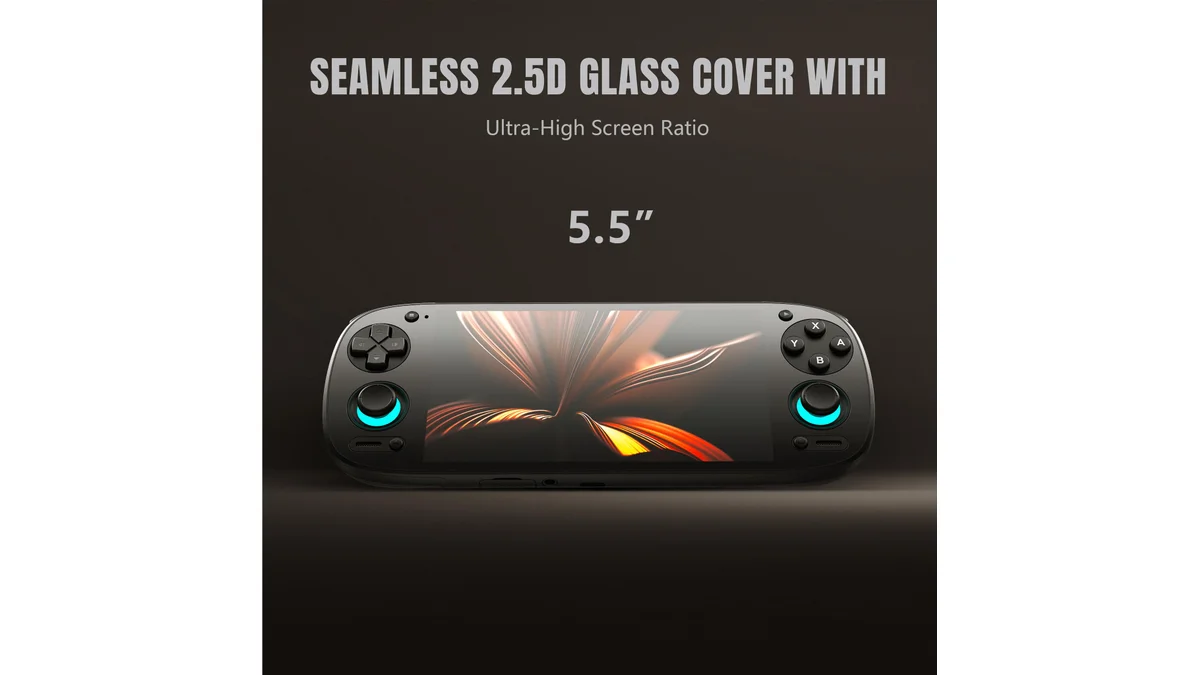
- 5.5" AMOLED 1080p 60Hz
- Snapdragon 865
- 5,000mAh
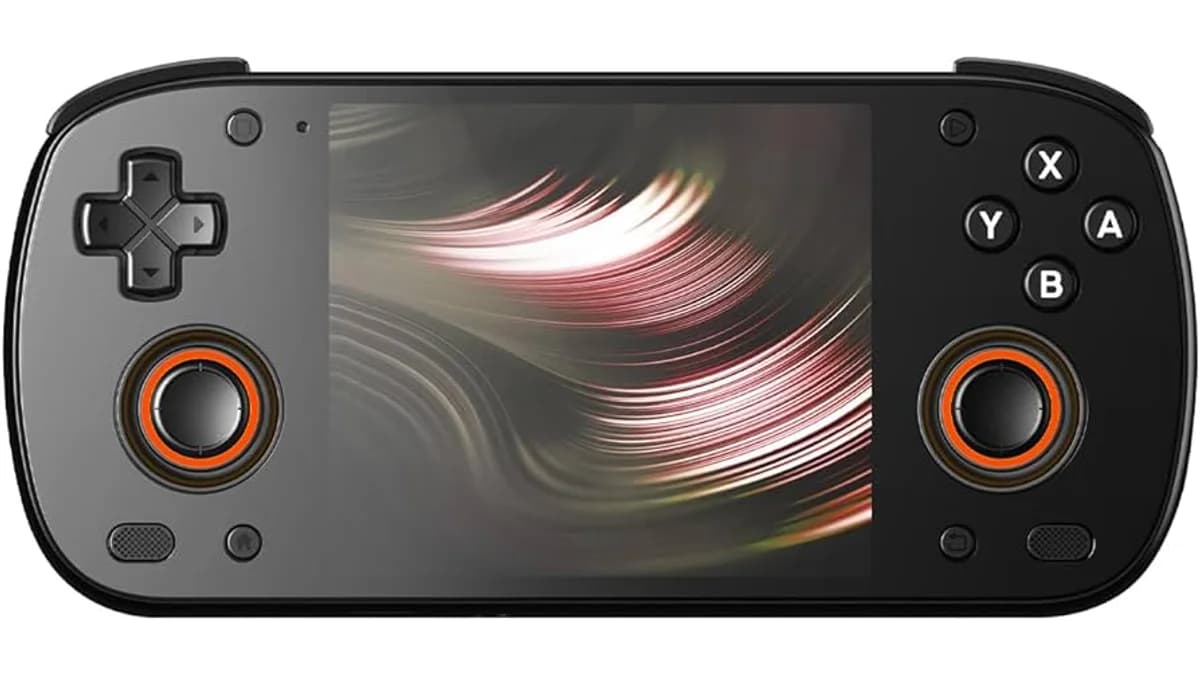
- 3.92" AMOLED 1240x1080 60Hz
- Snapdragon 865
- 4,000mAh
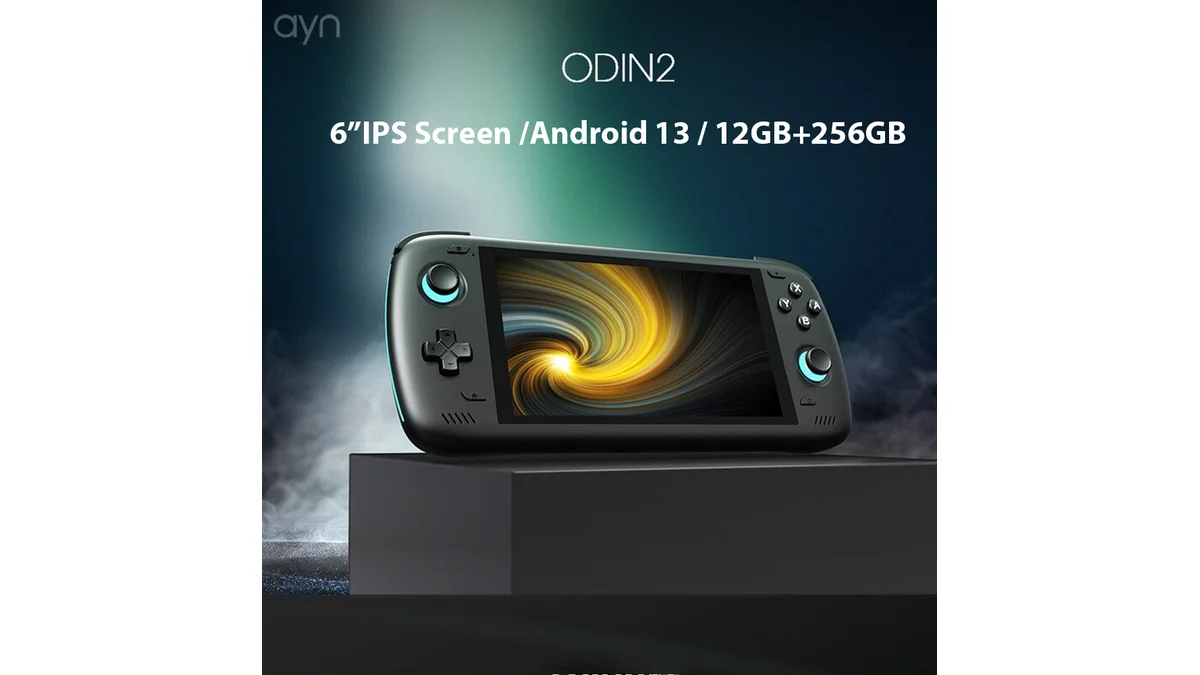
- 6" IPS LCD 1080p
- Snapdragon 8 Gen 2
- 8,000mAh, 65W charging
- 7" AMOLED 1080p 120Hz
- Snapdragon 8 Gen 2
- ~10,000mAh
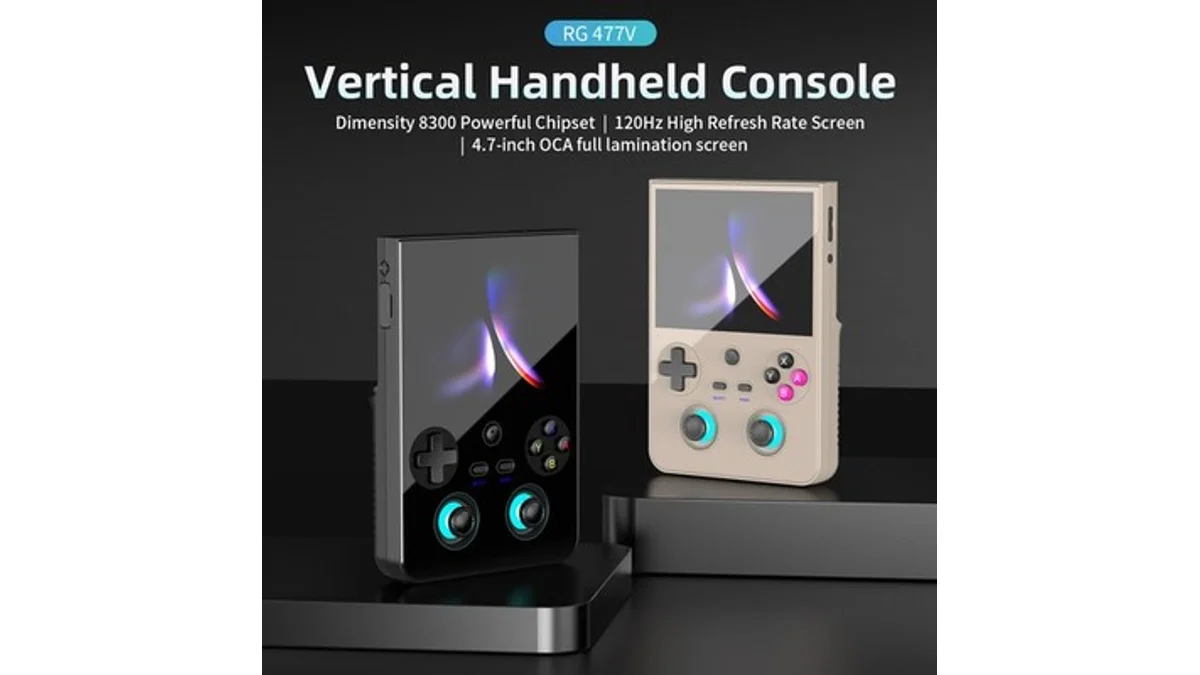
- 4.7" LTPS 1280x960 120Hz
- MediaTek Dimensity 8300
- 5,500mAh, 27W charging
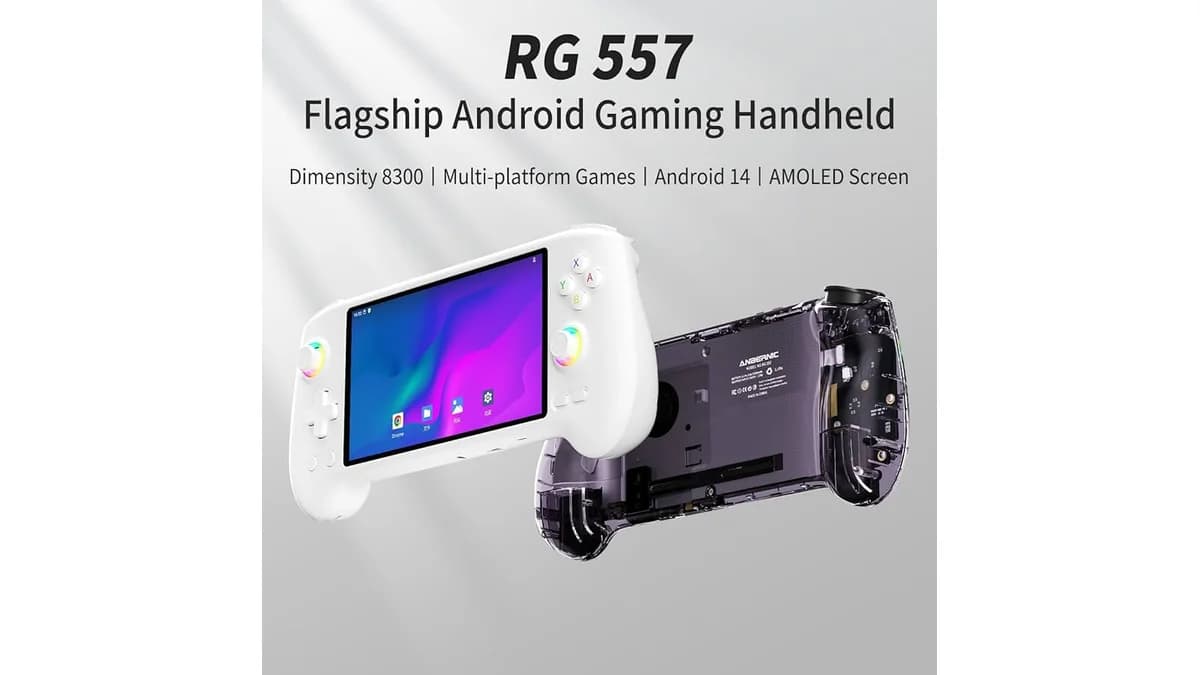
- 5.5" AMOLED
- Mid-range ARM (T820-class)
- 5,500mAh
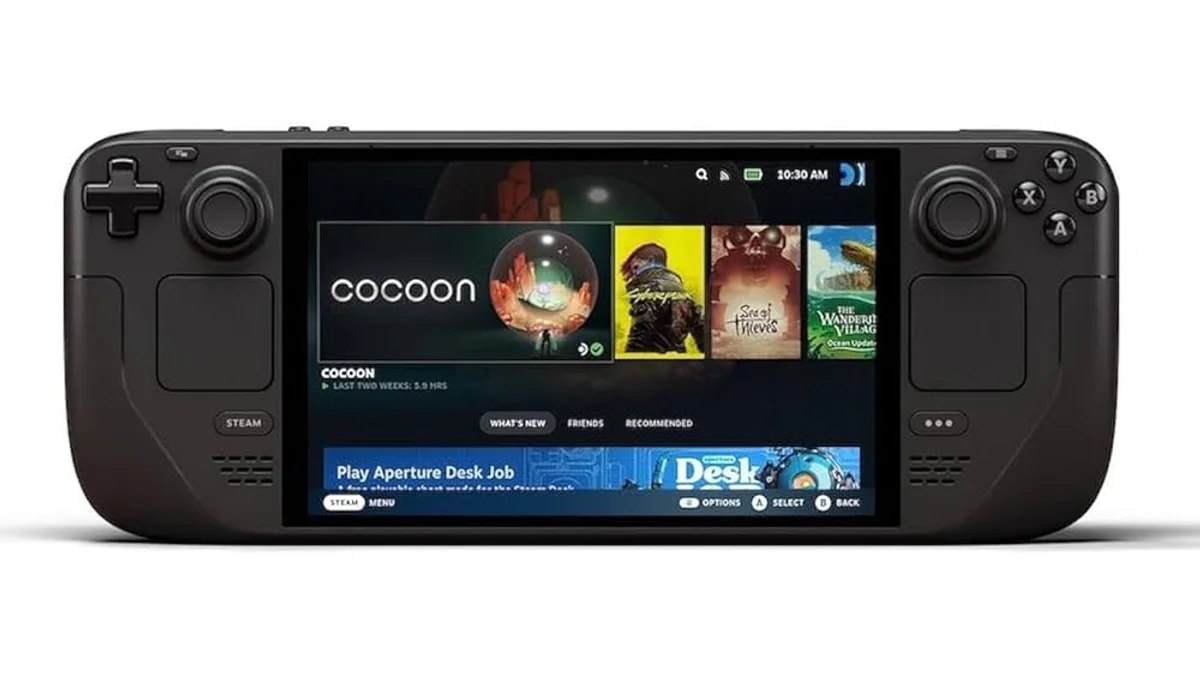
- 7.4" OLED 1280x800 90Hz HDR
- AMD Zen 2 (4c/8t, 3.5GHz)
- 50Whr
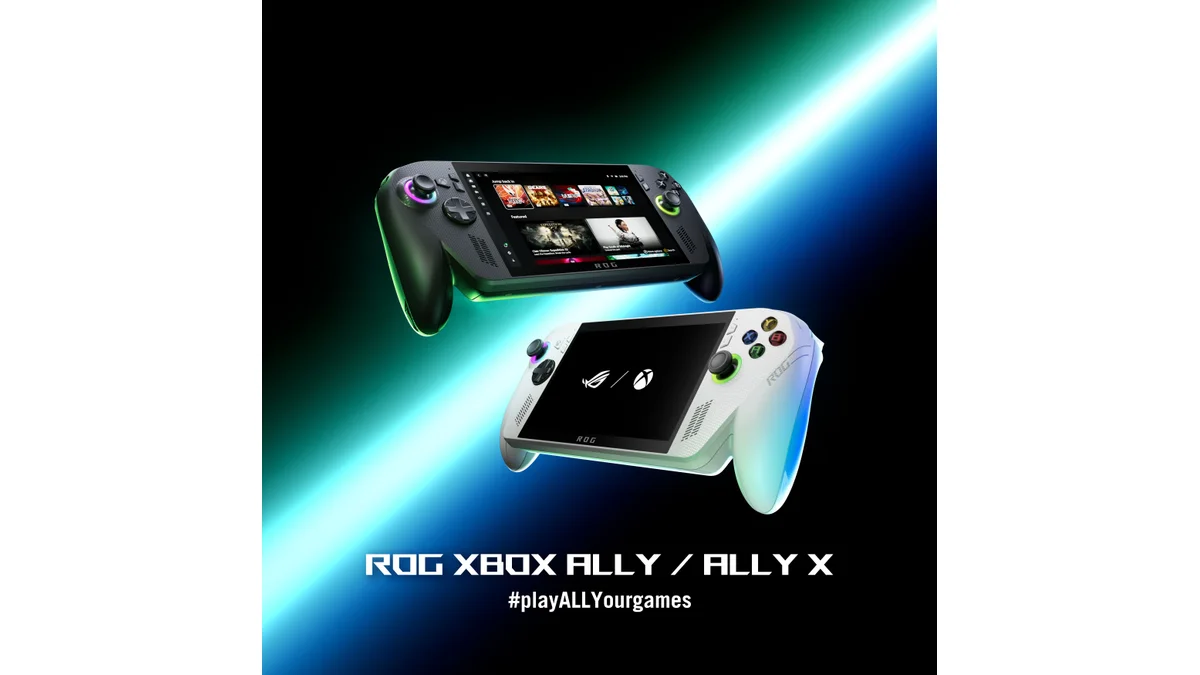
- 7" IPS 1920x1080 120Hz
- AMD Ryzen AI Z2 Extreme (8c/16t, 5.0GHz)
- 80Whr
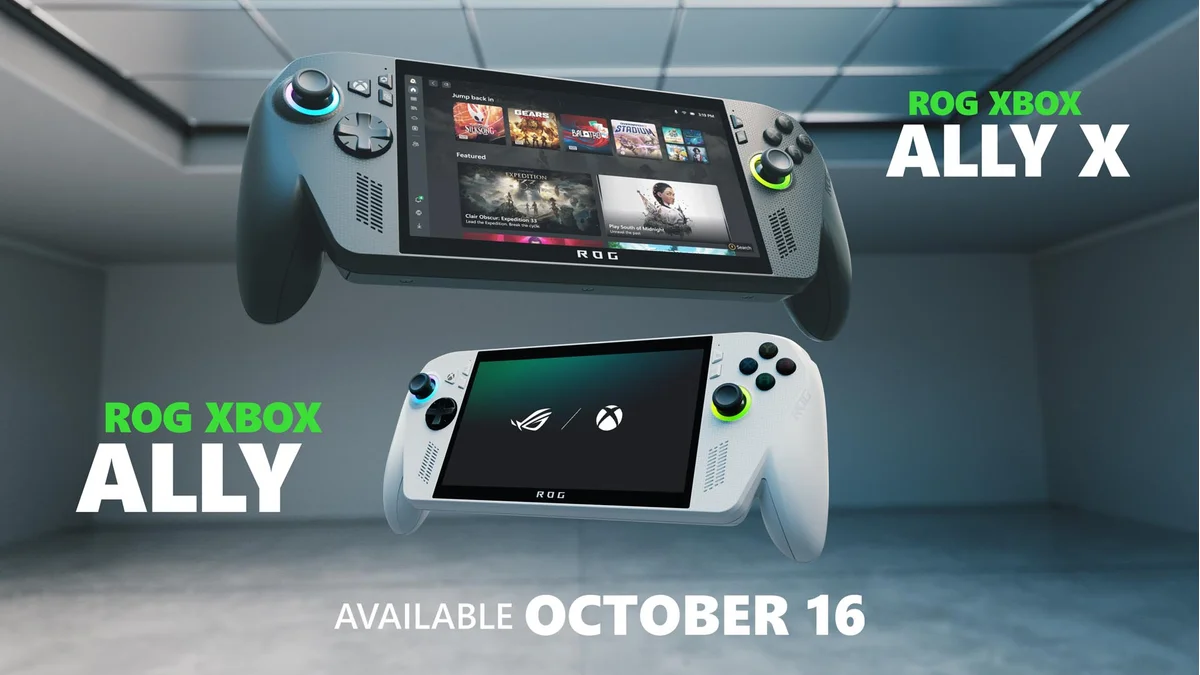
- 7" IPS 1920x1080 120Hz
- AMD Ryzen Z2 (4c/8t, 3.8GHz)
- 60Whr
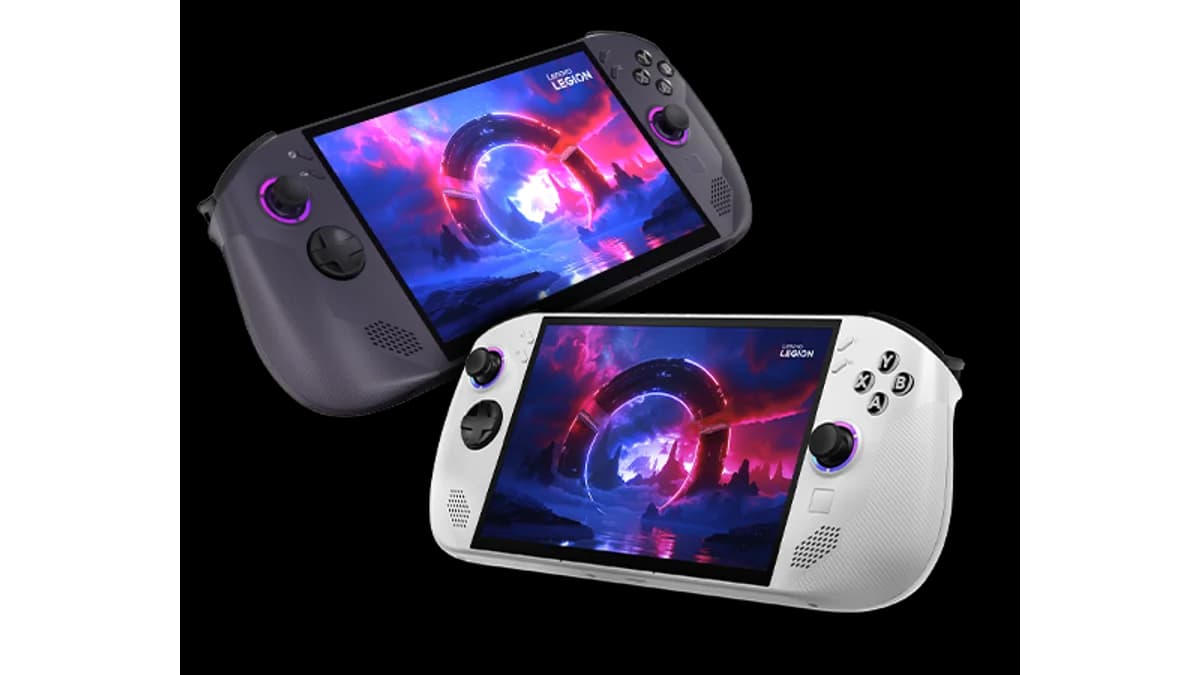
- 8" IPS 1920x1200 120Hz VRR
- AMD Ryzen Z2 Go
- 55.5Whr
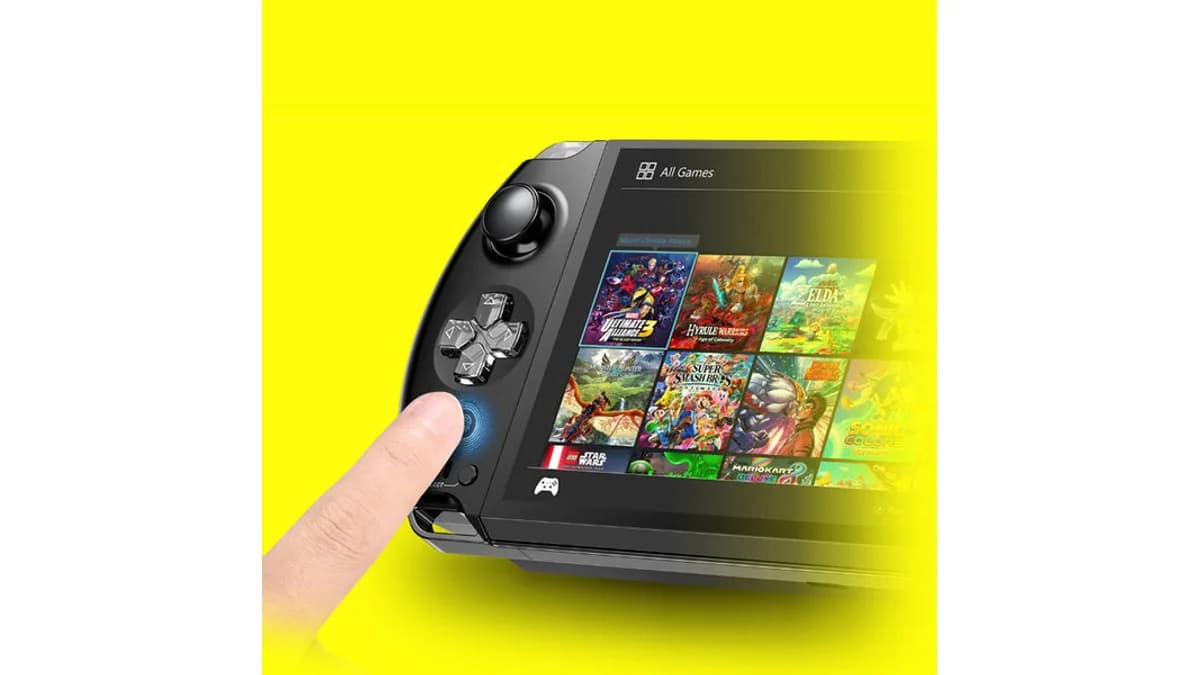
- 6" IPS 1920x1080
- AMD Ryzen 7 8840U (8c/16t, 5.1GHz)
- ~46Whr
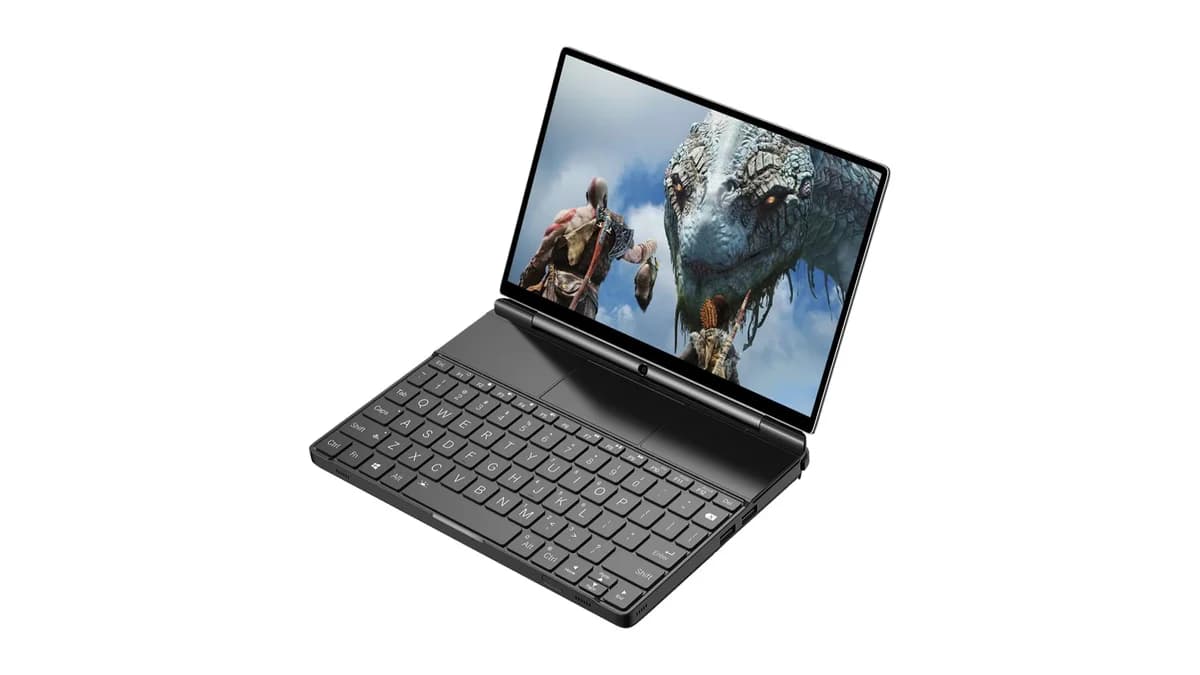
- 10.1" IPS 1920x1200
- AMD Ryzen AI 9 HX 370 (12c/24t, 5.1GHz)
- 67Whr
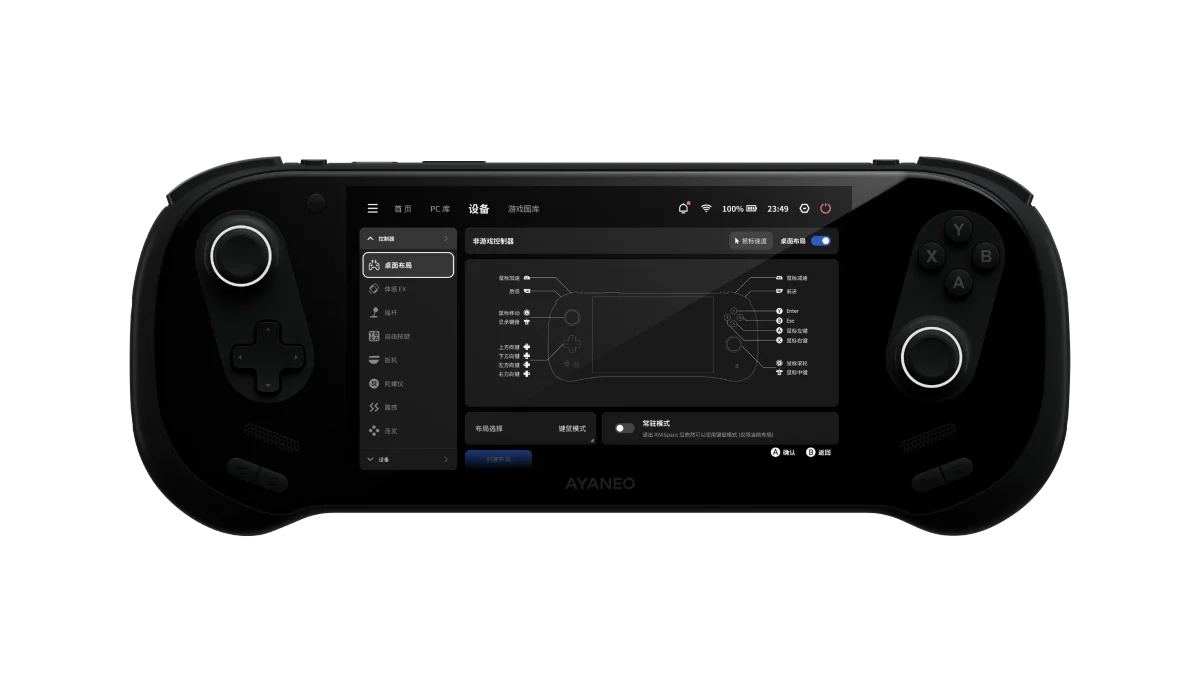
- 7" LCD/OLED 1920x1080 120-144Hz
- AMD Ryzen 7 8840U / AI 9 HX 370
- ~50Whr
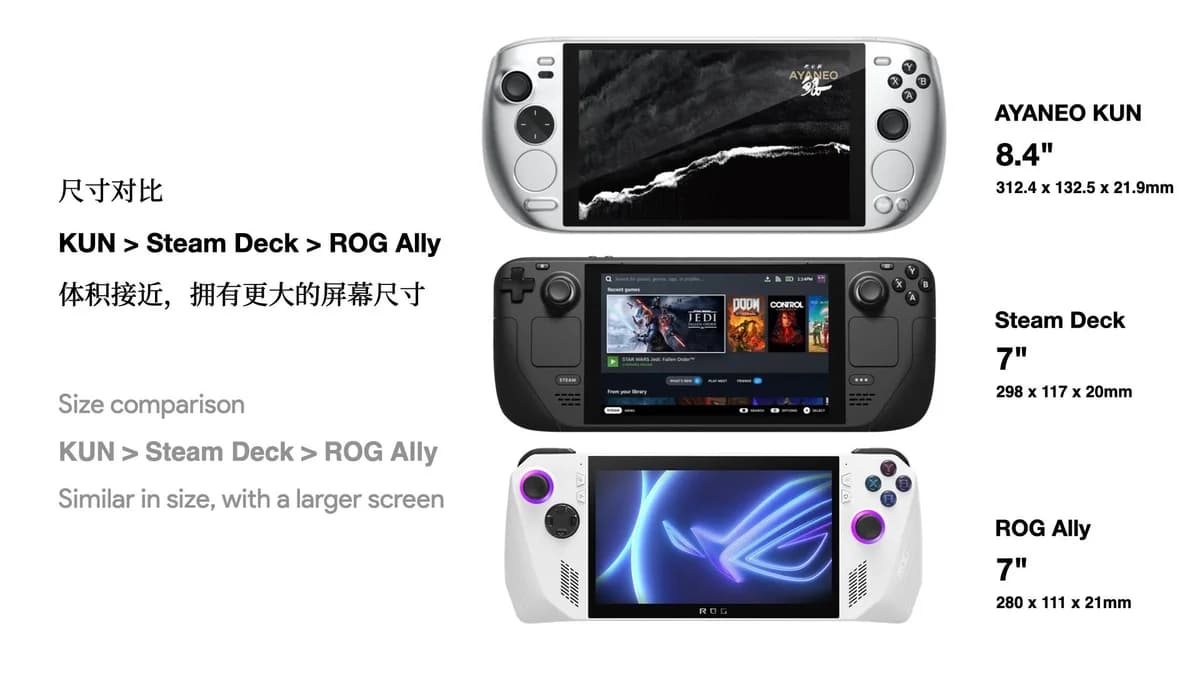
- 8" IPS 2560x1600
- AMD Ryzen 7 7840U
- 75Whr
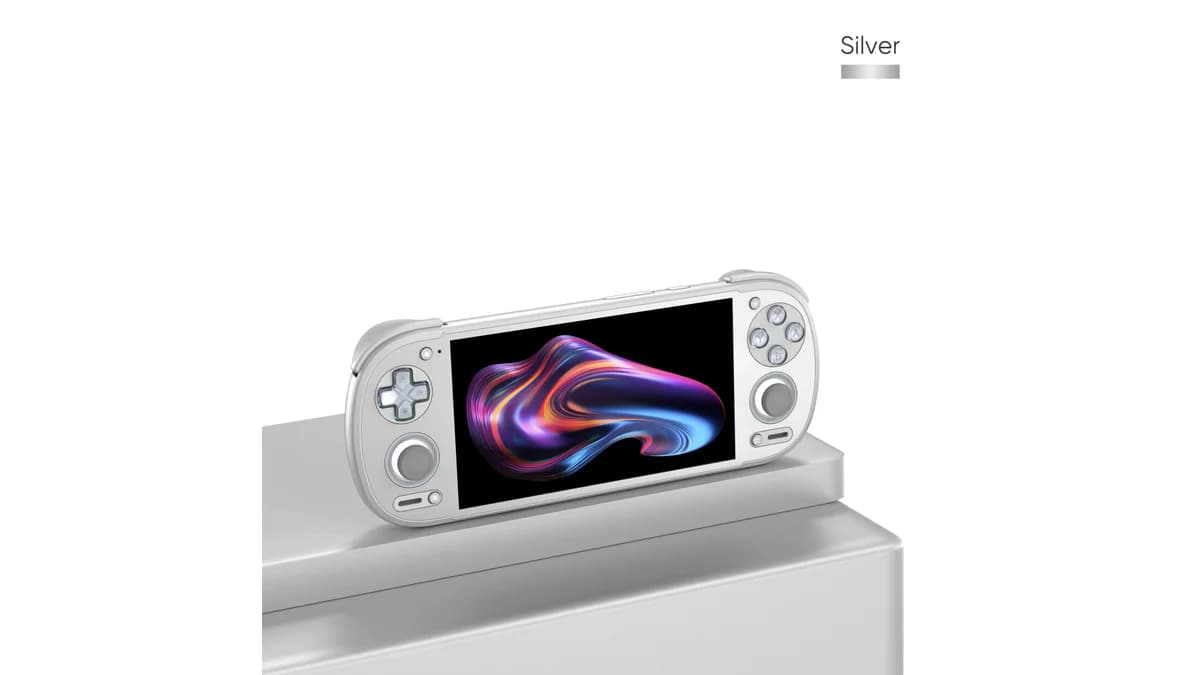
- 5.5" AMOLED 1920x1080 120Hz
- Qualcomm Snapdragon 8 Gen 2
- 6,000mAh, 27W charging
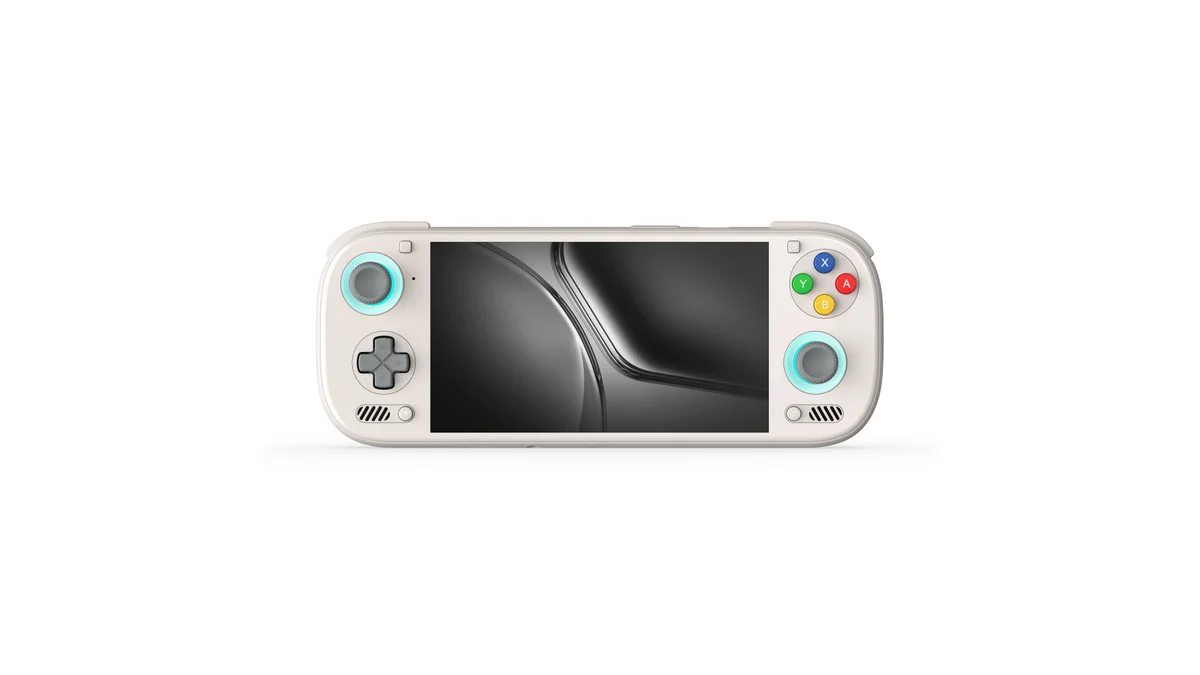
- 6" AMOLED 1920x1080 120Hz
- Qualcomm Snapdragon 8 Elite
- 8,000mAh, 60W charging
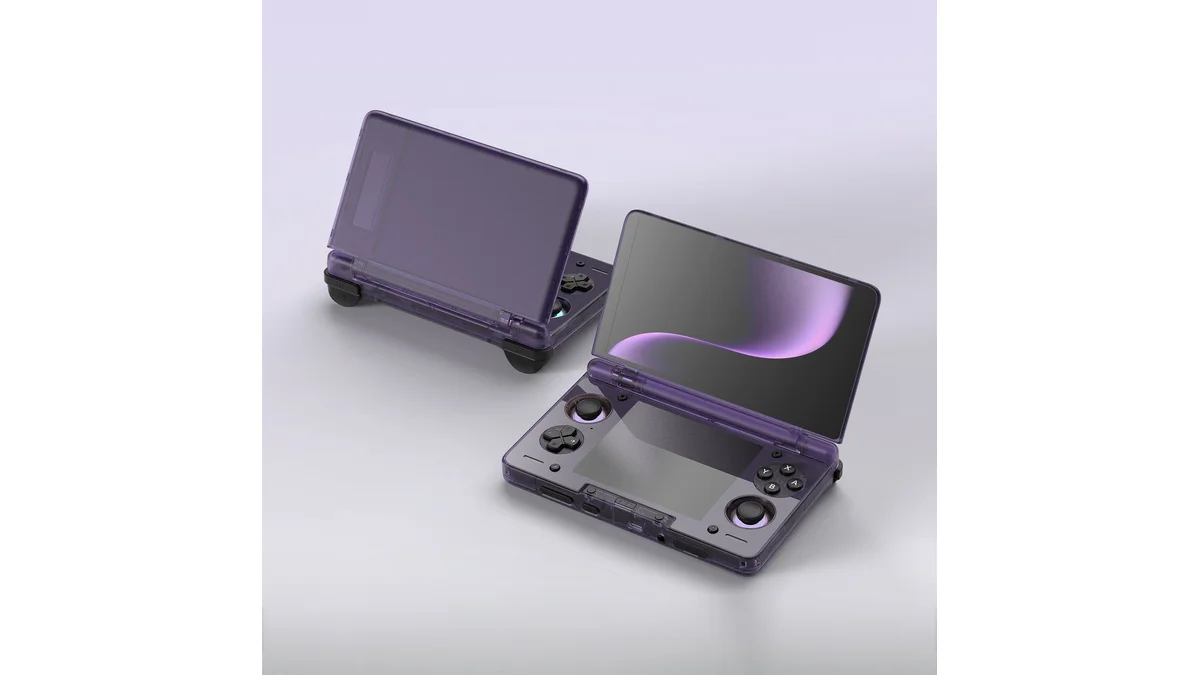
- 6" + 3.92" dual AMOLED (clamshell)
- Qualcomm Snapdragon 865
- 6,000mAh
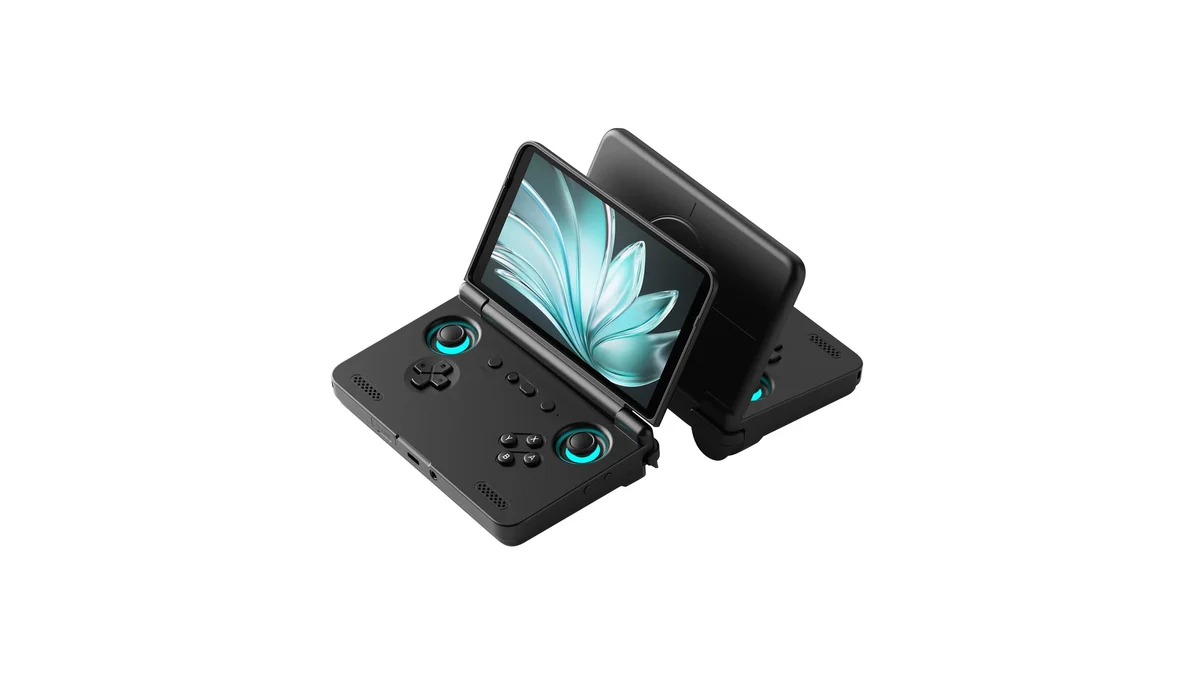
- 5.5" AMOLED 1920x1080 60Hz
- Qualcomm Snapdragon 865 (Adreno 650) or MediaTek Dimensity 1100
- 5,000mAh
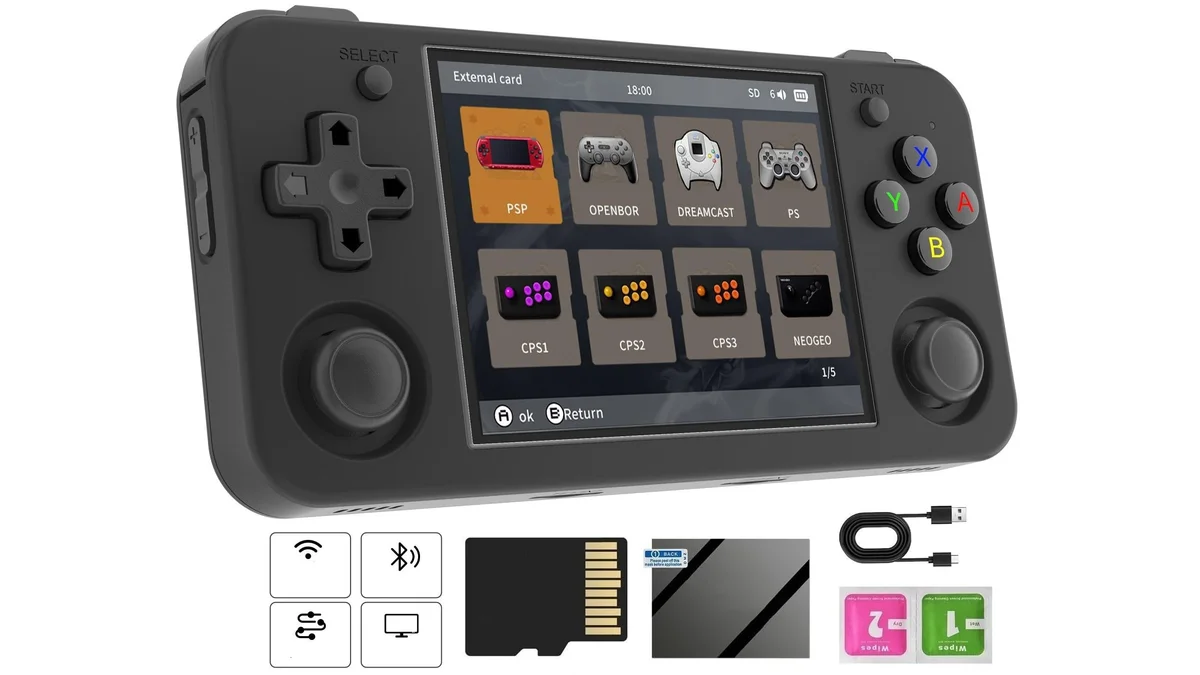
- 3.5" IPS 640x480
- H700 Quad-core ARM Cortex-A53
- 3,300mAh
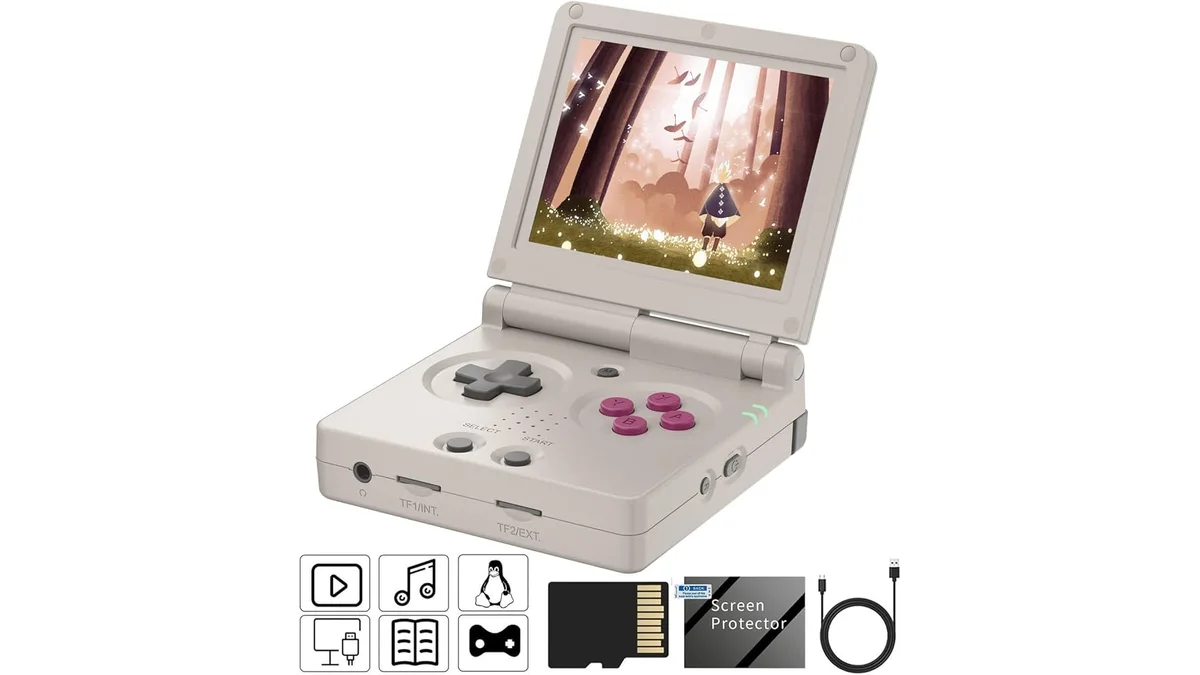
- 3.5" IPS 640x480
- H700 Quad-core ARM Cortex-A53
- 2,600mAh
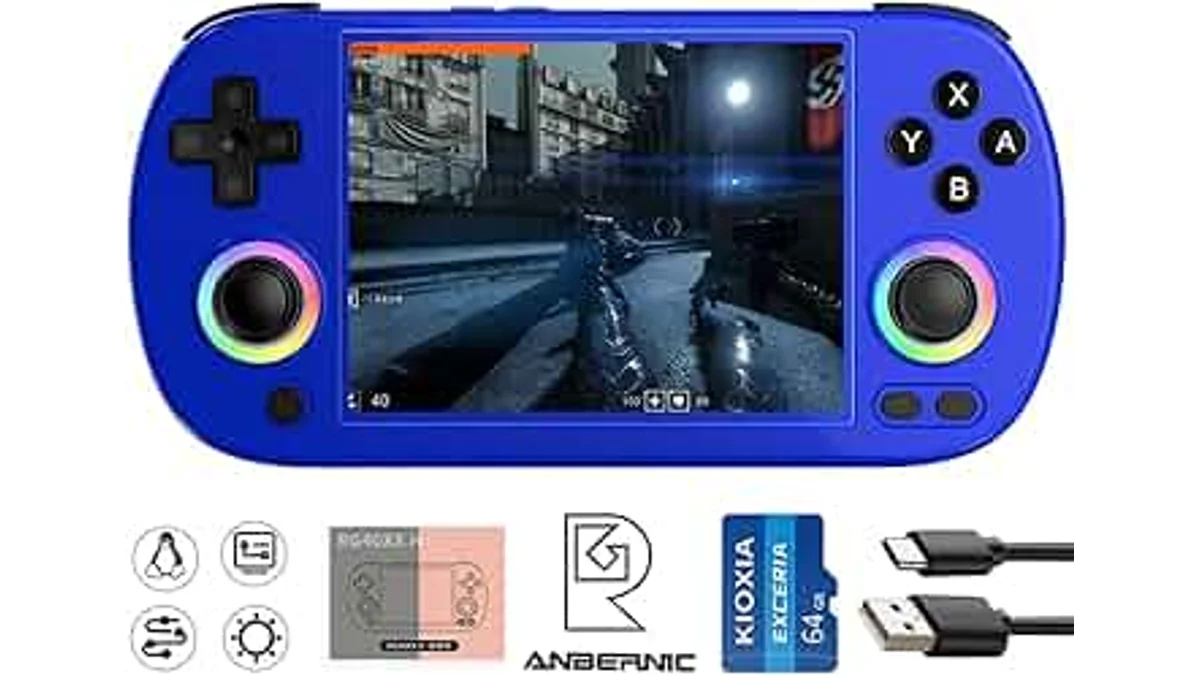
- 4.0" IPS 640x480
- H700 Quad-core ARM Cortex-A53
- 3,200mAh
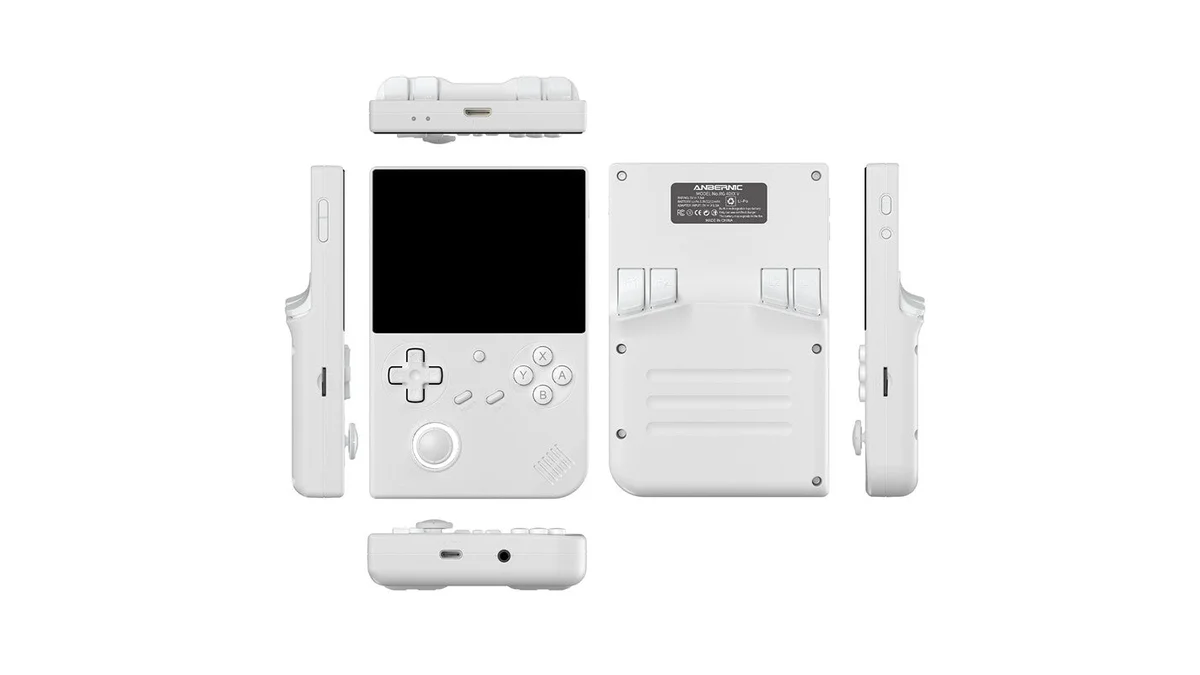
- 4.0" IPS 640x480
- H700 Quad-core ARM Cortex-A53
- 2,600mAh
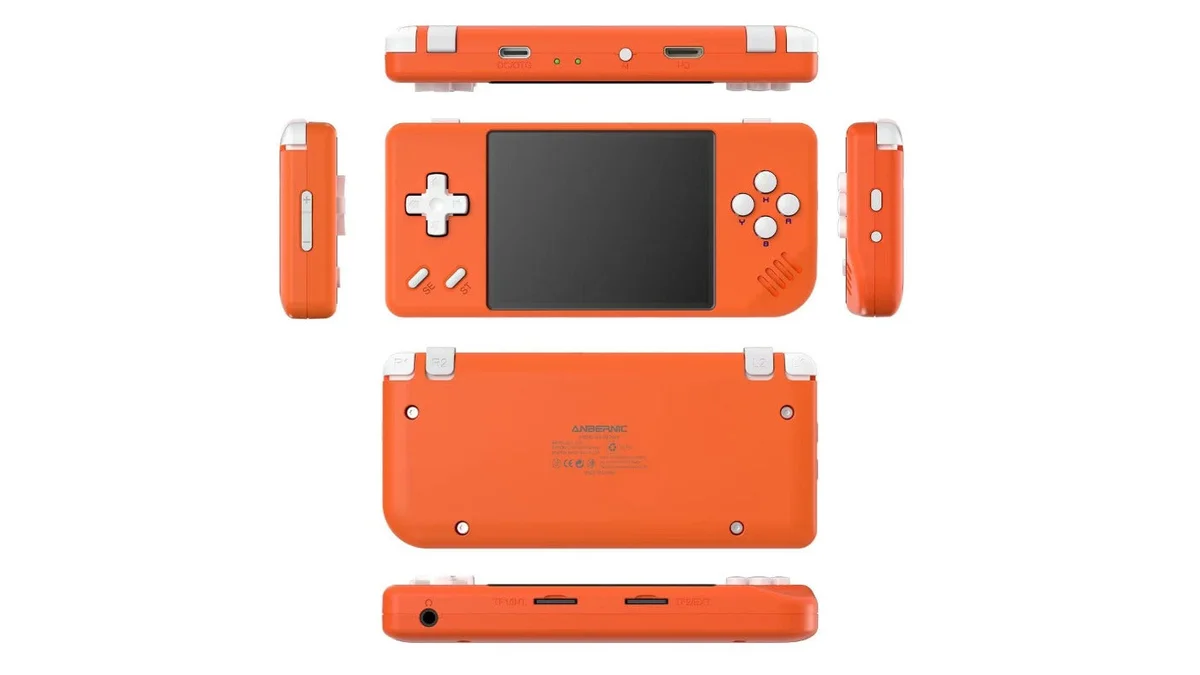
- 2.83" IPS 640x480
- H700 Quad-core ARM Cortex-A53
- 2,100mAh
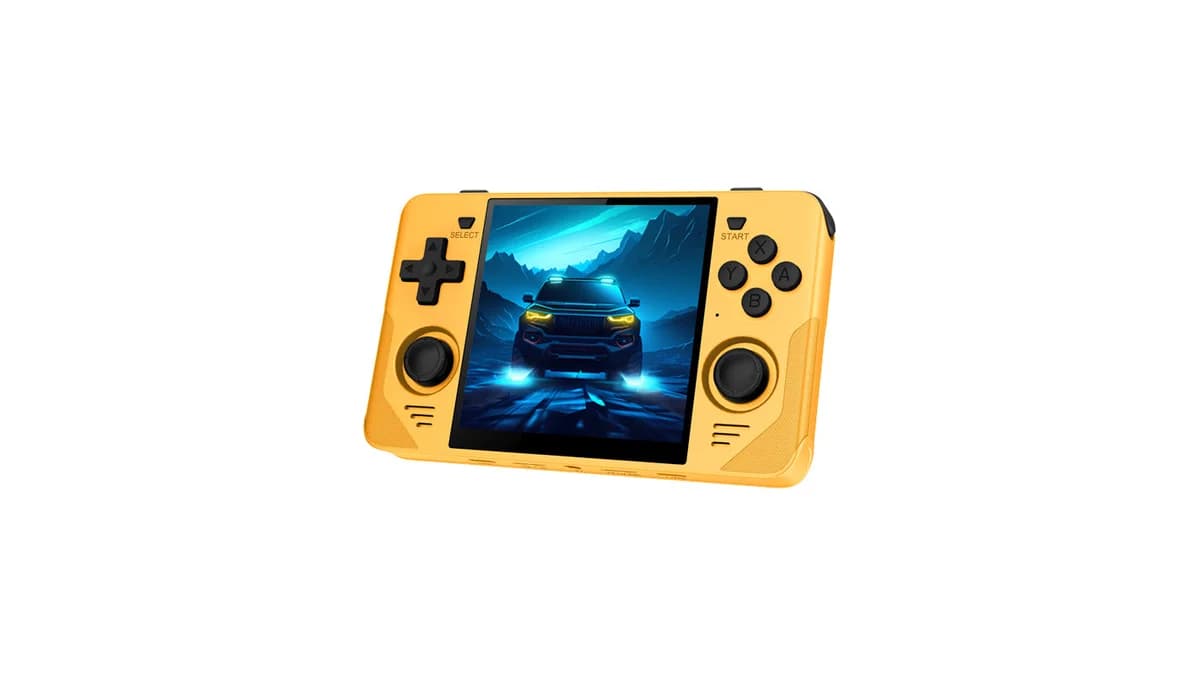
- 4.0" IPS 720x720 (1:1)
- RK3566 Quad-core Cortex-A55
- 4,100mAh
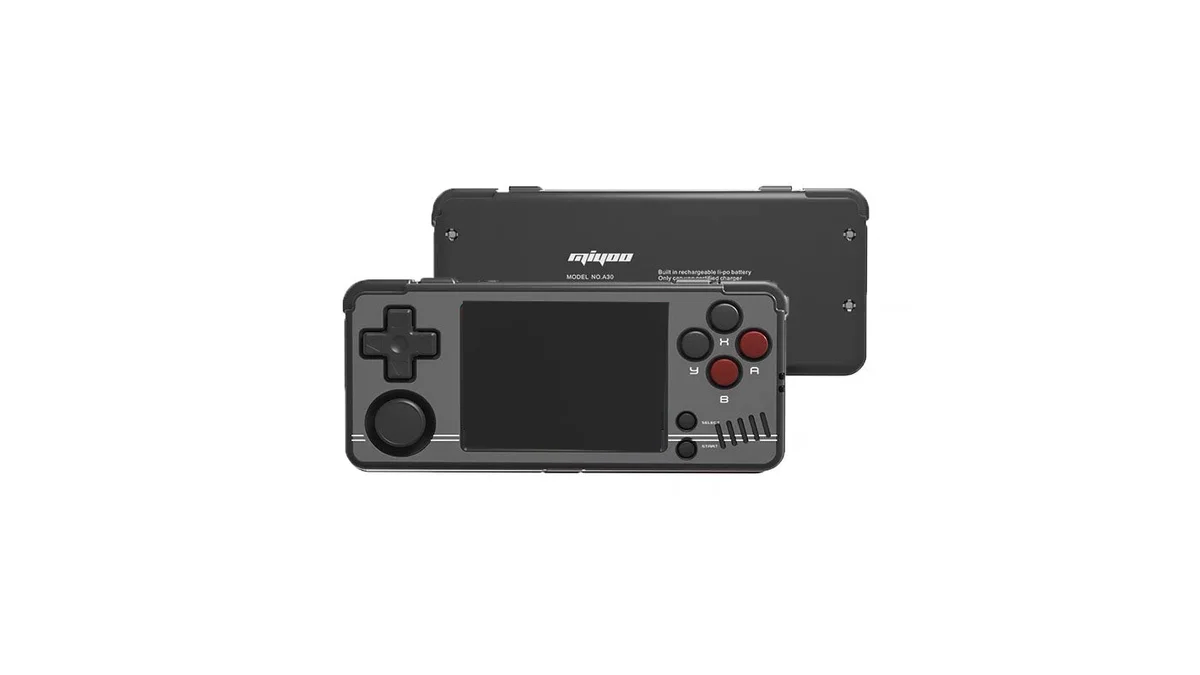
- 2.8" IPS 640x480
- ARM Cortex-A7
- 2,000mAh
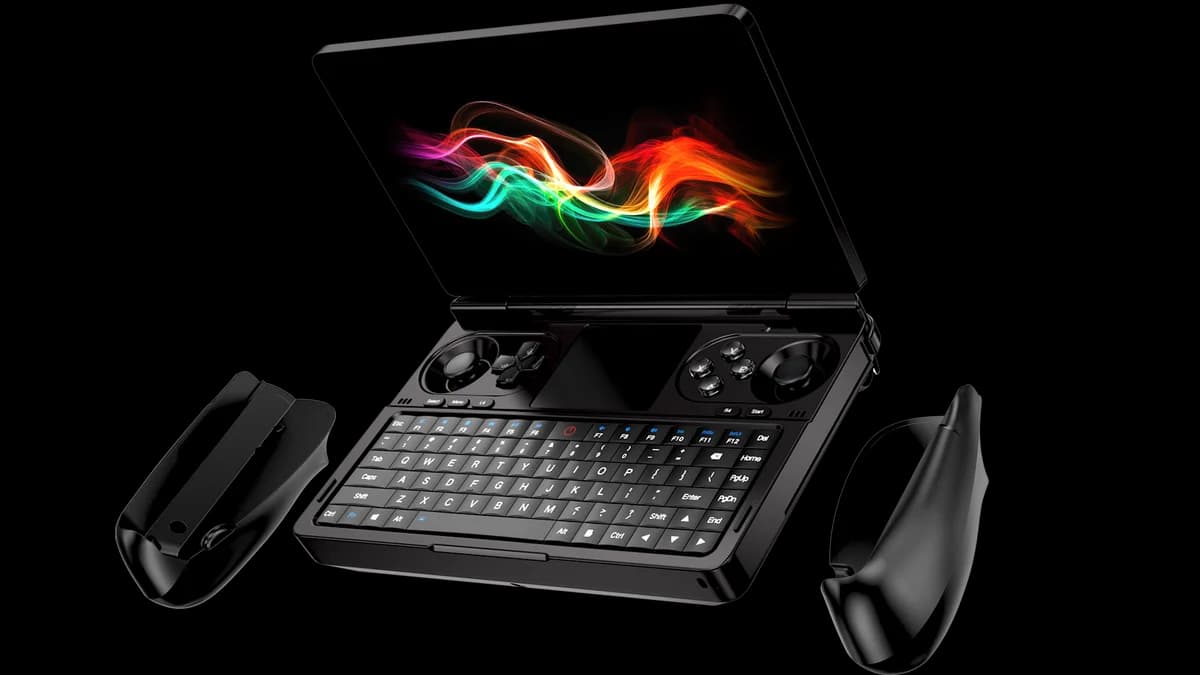
- 7" LTPS 1920x1080 120Hz VRR
- AMD Ryzen 7 8840U (8C/16T)
- 44.24Wh
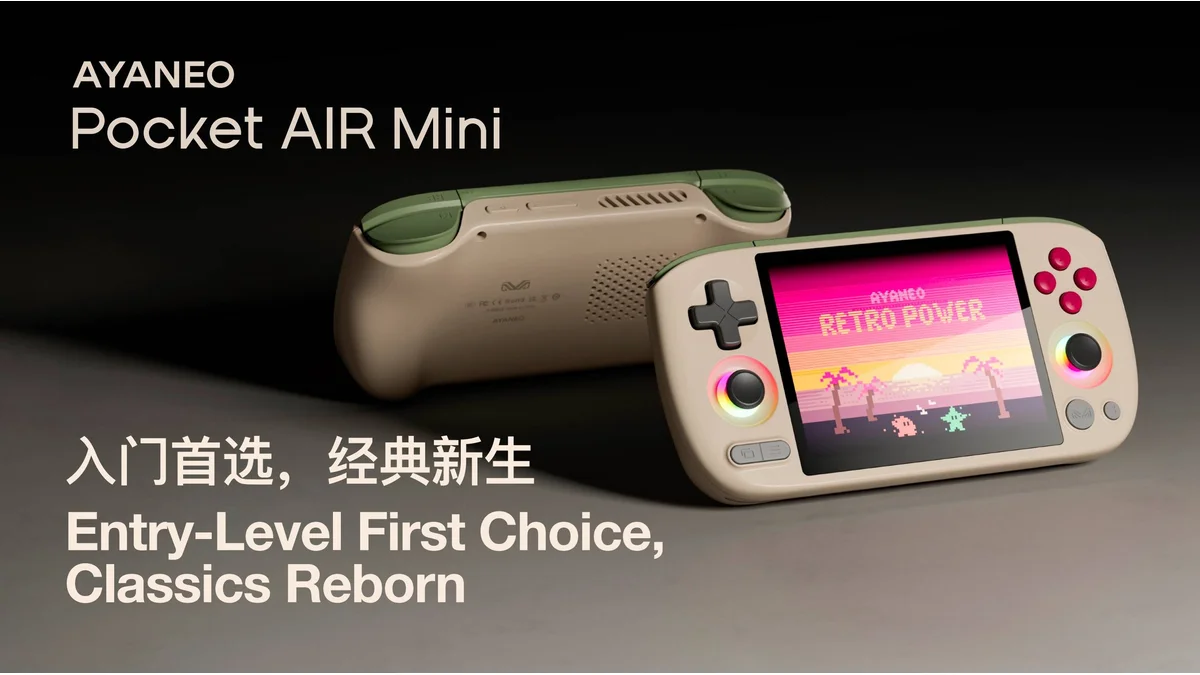
- 4.2" IPS 1280x960 4:3
- MediaTek Helio G90T
- 4,500mAh
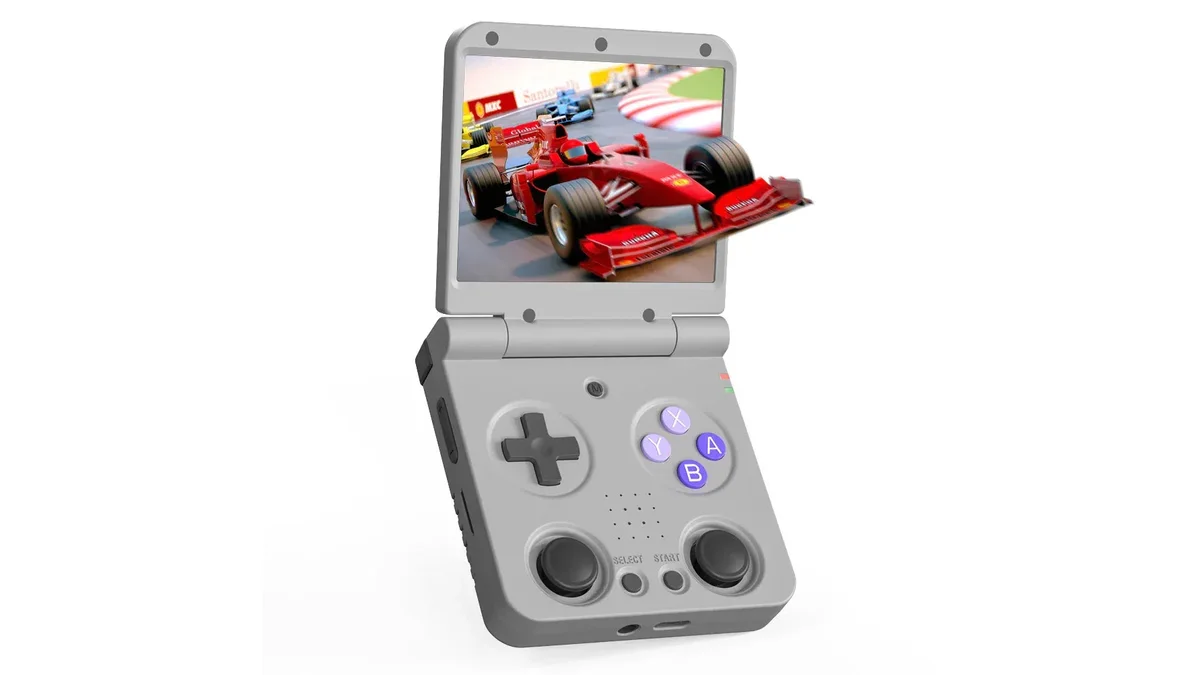
- 3.5" IPS 640x480 4:3
- Rockchip RK3566
- 3,000mAh
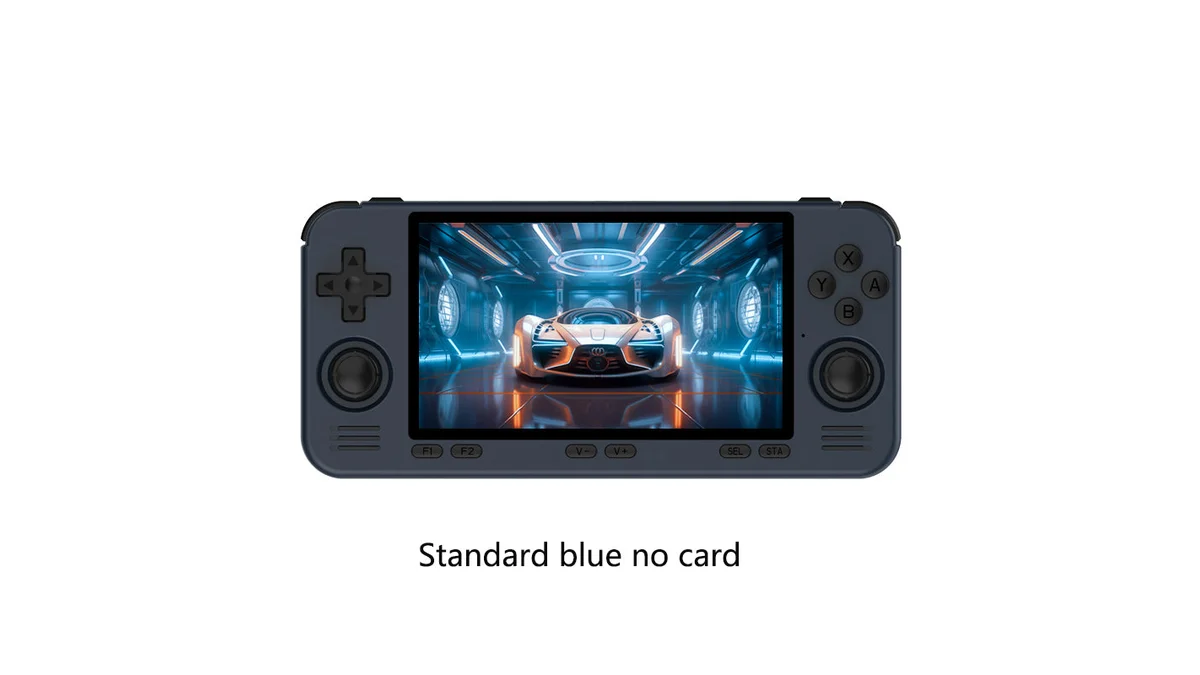
- 5" IPS 1280x720 16:9
- Rockchip RK3566
- 4,000mAh
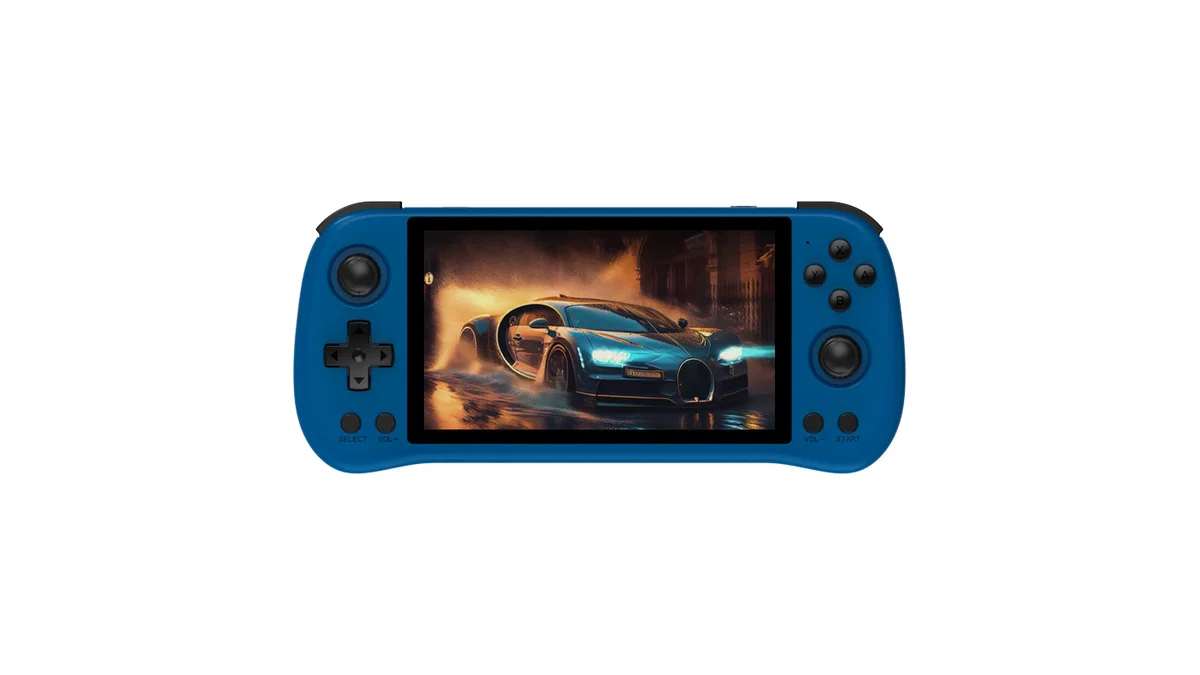
- 5.5" IPS 1280x720 16:9
- Rockchip RK3566
- 4,000mAh
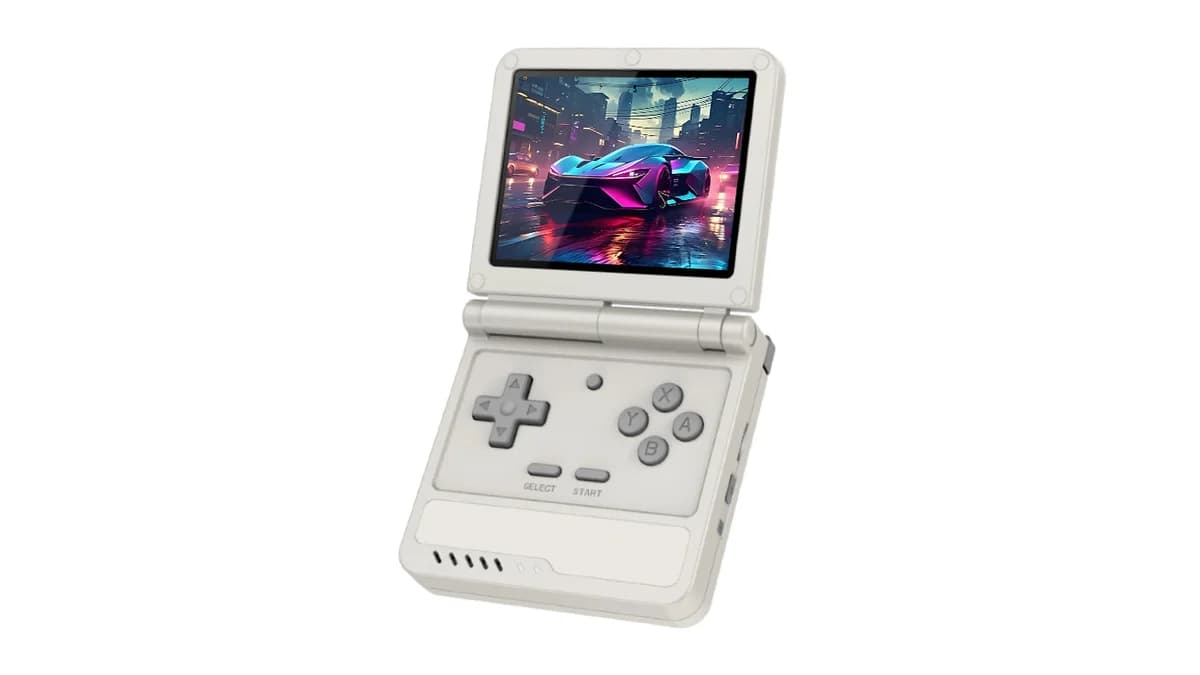
- 3.5" IPS 640x480 4:3
- Allwinner A133 Plus
- 3,000mAh (replaceable)
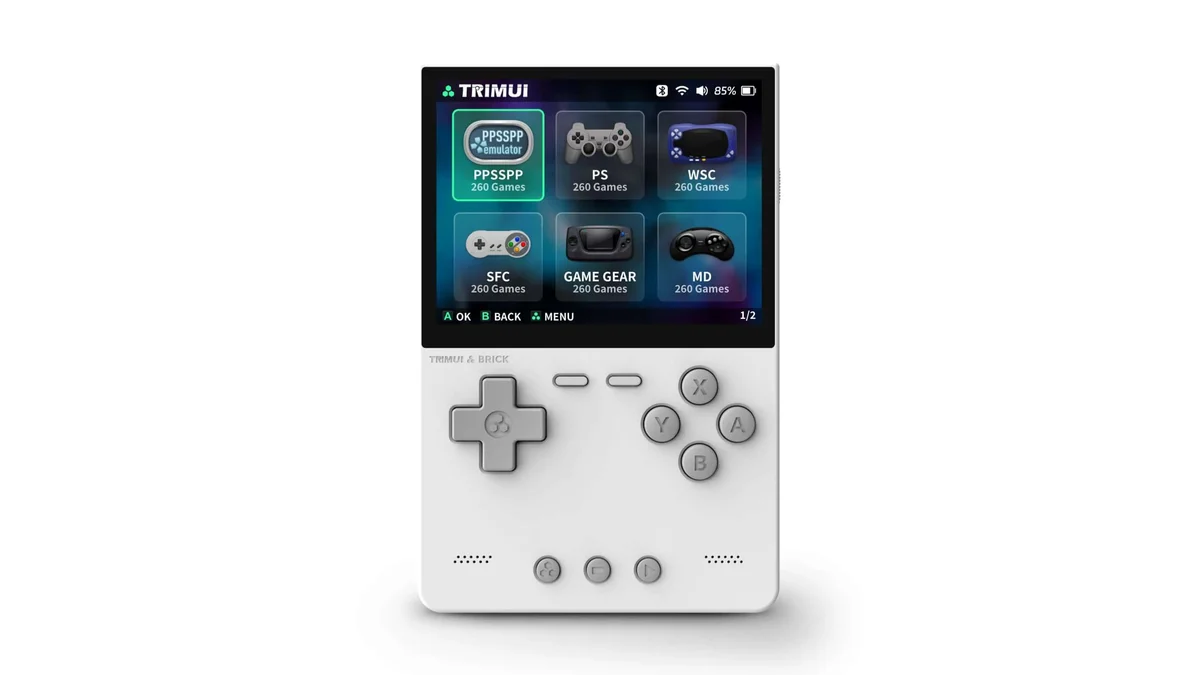
- 3.2" IPS 1024x768 4:3 (405 PPI)
- Allwinner A133P
- 3,000mAh
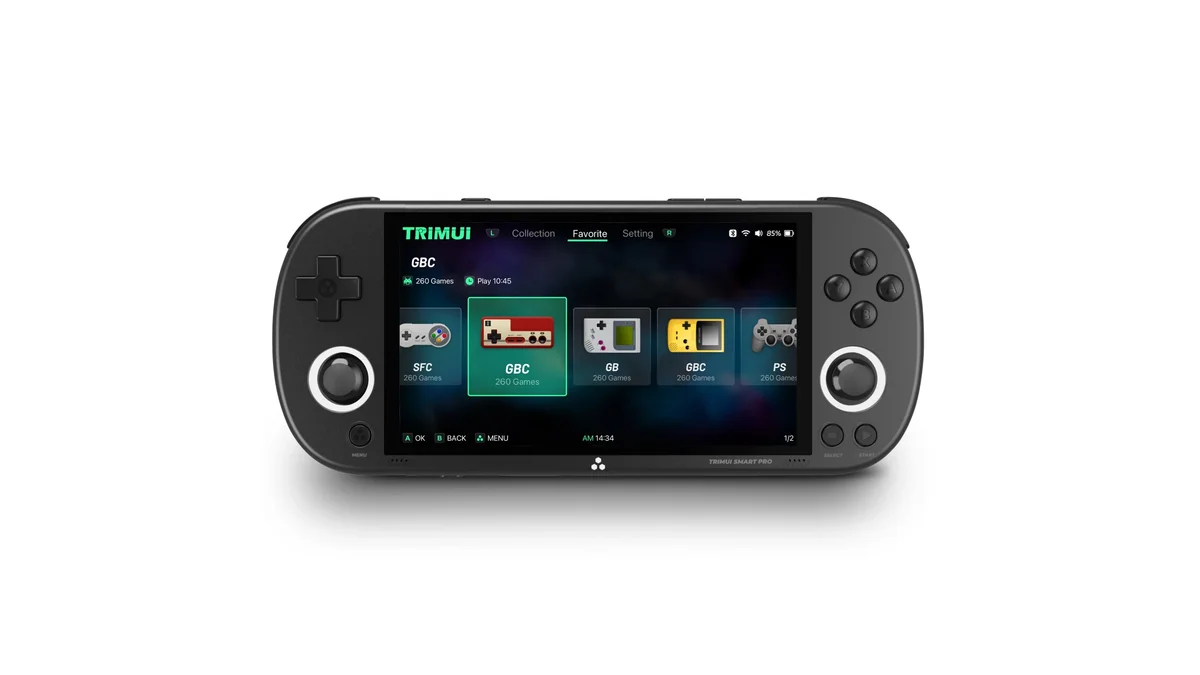
- 4.96" IPS 1280x720 16:9
- Allwinner A523
- 5,000mAh
- 4.96" IPS 1280x720 16:9
- Allwinner A133P (A133 Plus) 1.8GHz
- 5,000mAh
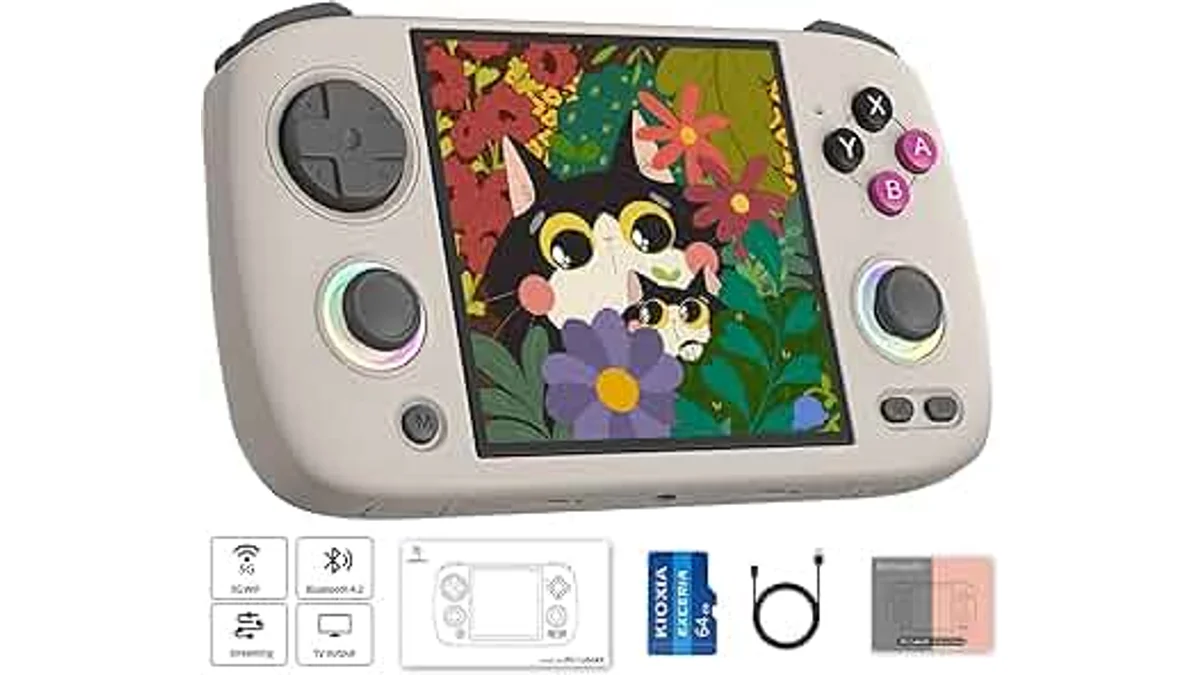
- 3.95" IPS 720x720 (1:1 square)
- H700 Quad-core ARM Cortex-A53 @ 1.5GHz
- 3,800mAh (6.5 hours)
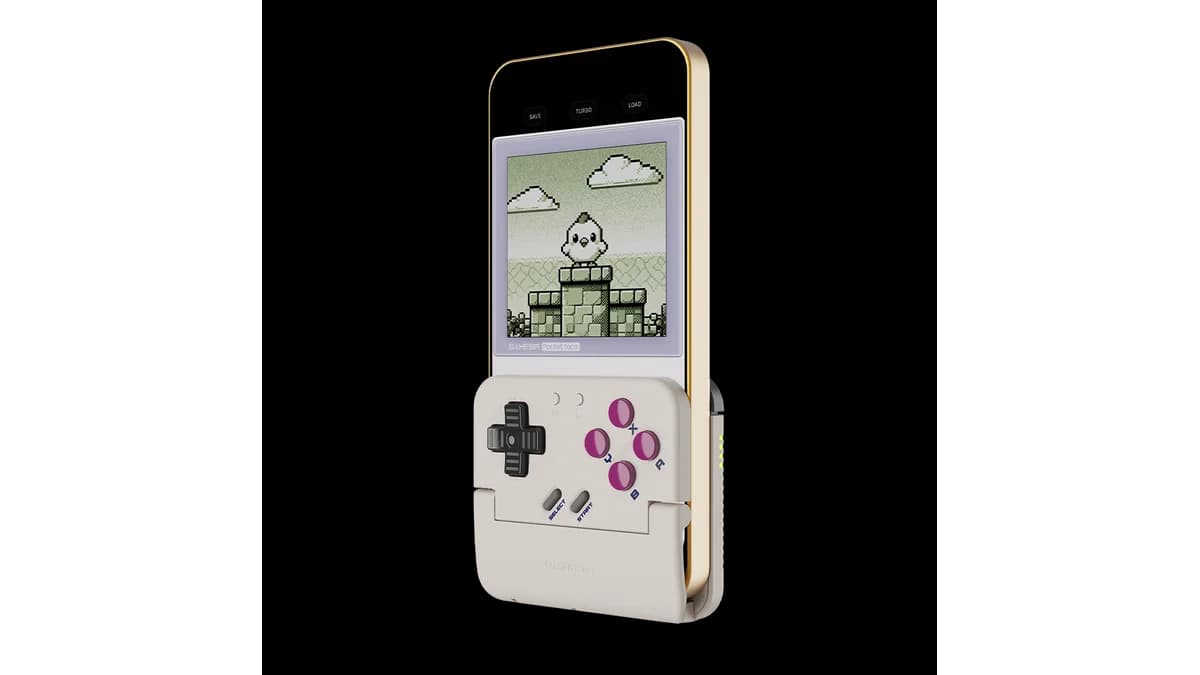
- N/A (uses phone screen)
- N/A (uses phone processor)
- 600mAh (controller only)
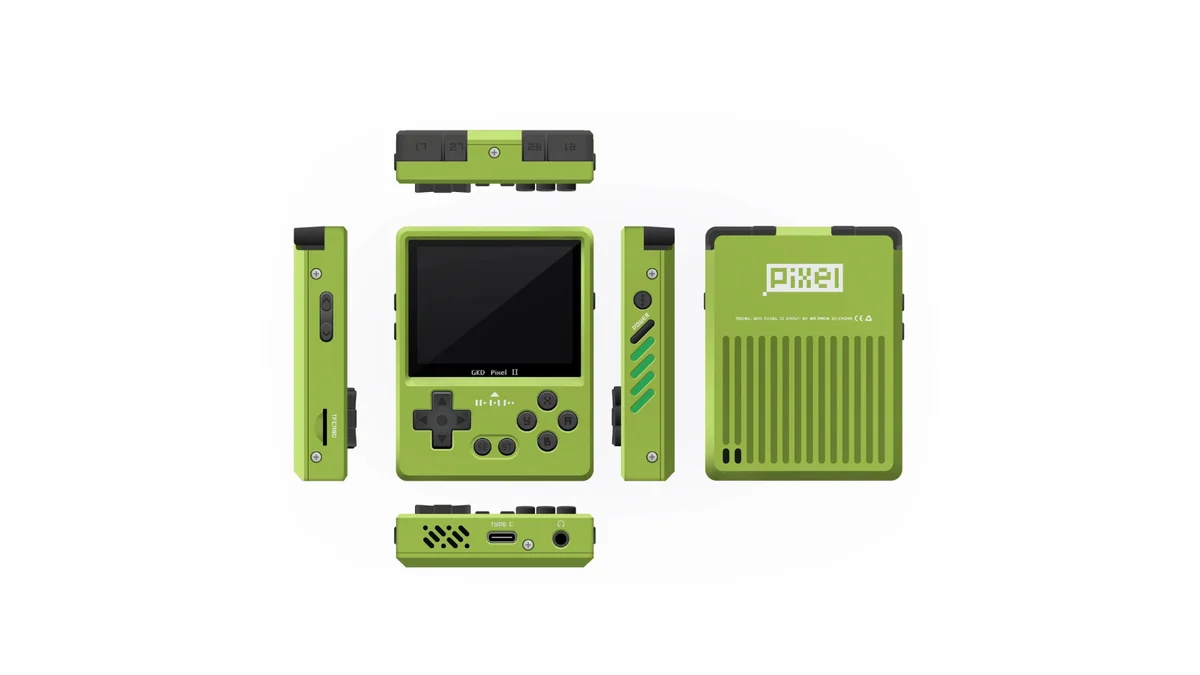
- 2.4" IPS 640x480
- RockChip RK3326S (Mali-G31 MP2)
- 1,800mAh (~2.5 hours)
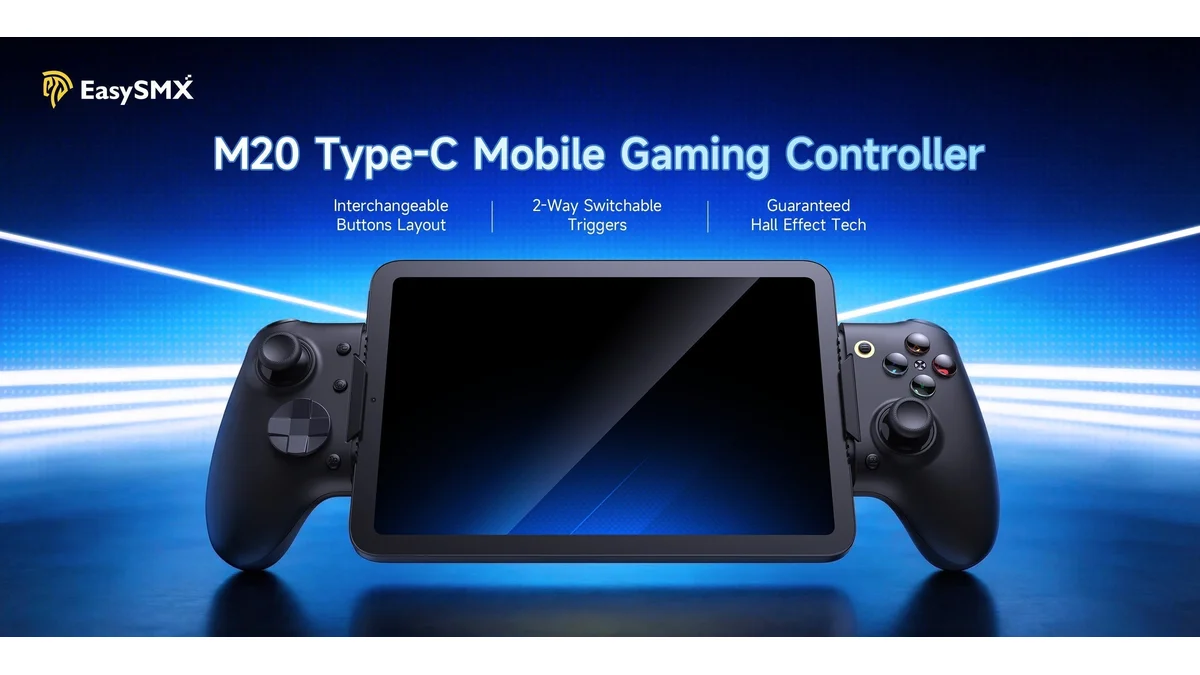
- N/A (uses device screen)
- N/A (uses device processor)
- N/A (powered by device)
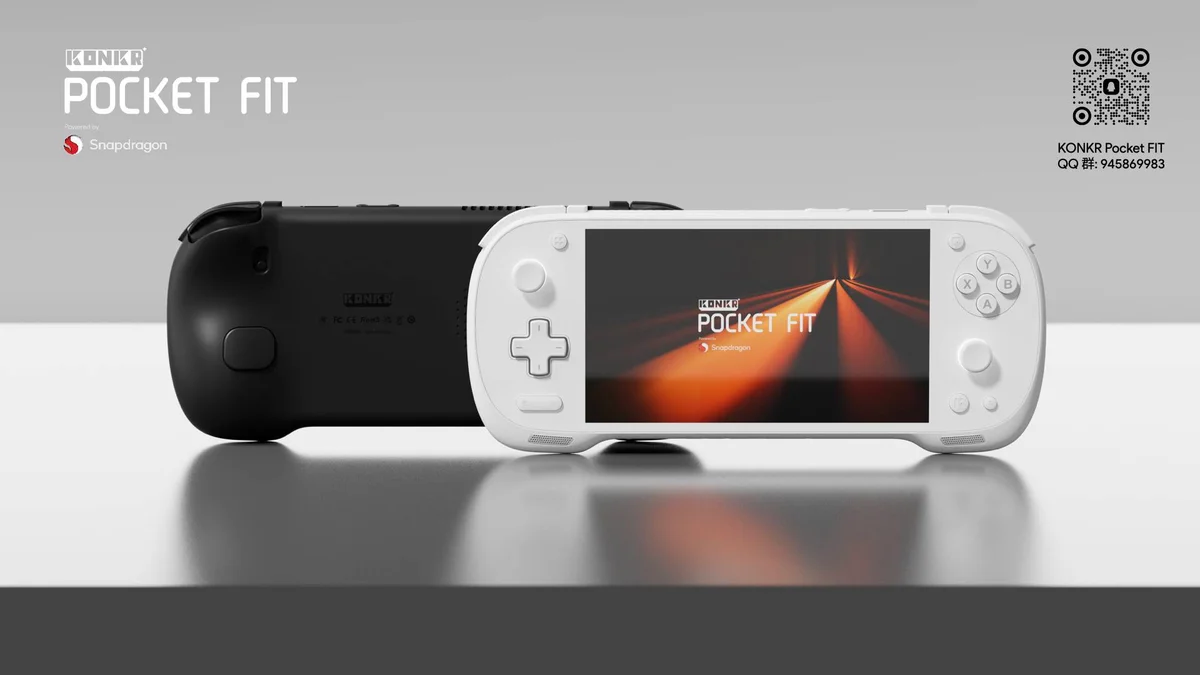
- 6" LCD 1920x1080 144Hz
- Snapdragon G3 Gen 3 (Adreno A32)
- 8,000mAh (3-4 hours heavy use)
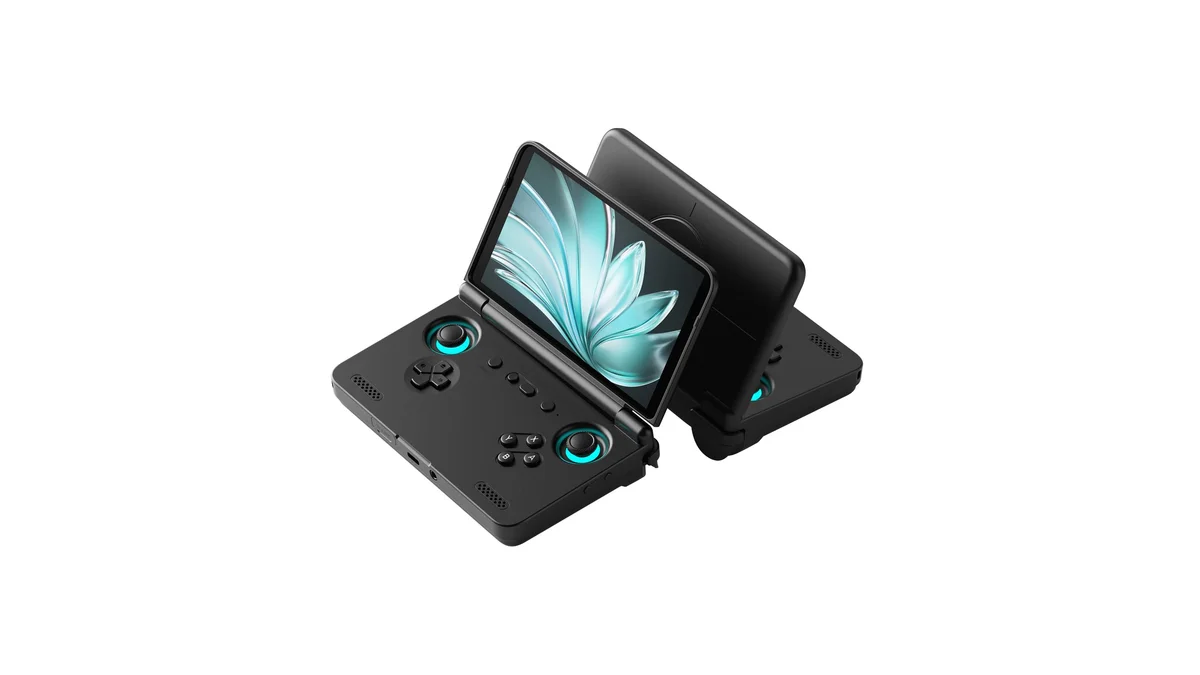
- 4.7" IPS touchscreen 1334x750
- UNISOC Tiger T618 (8-core @ 2.0GHz)
- 5,000mAh
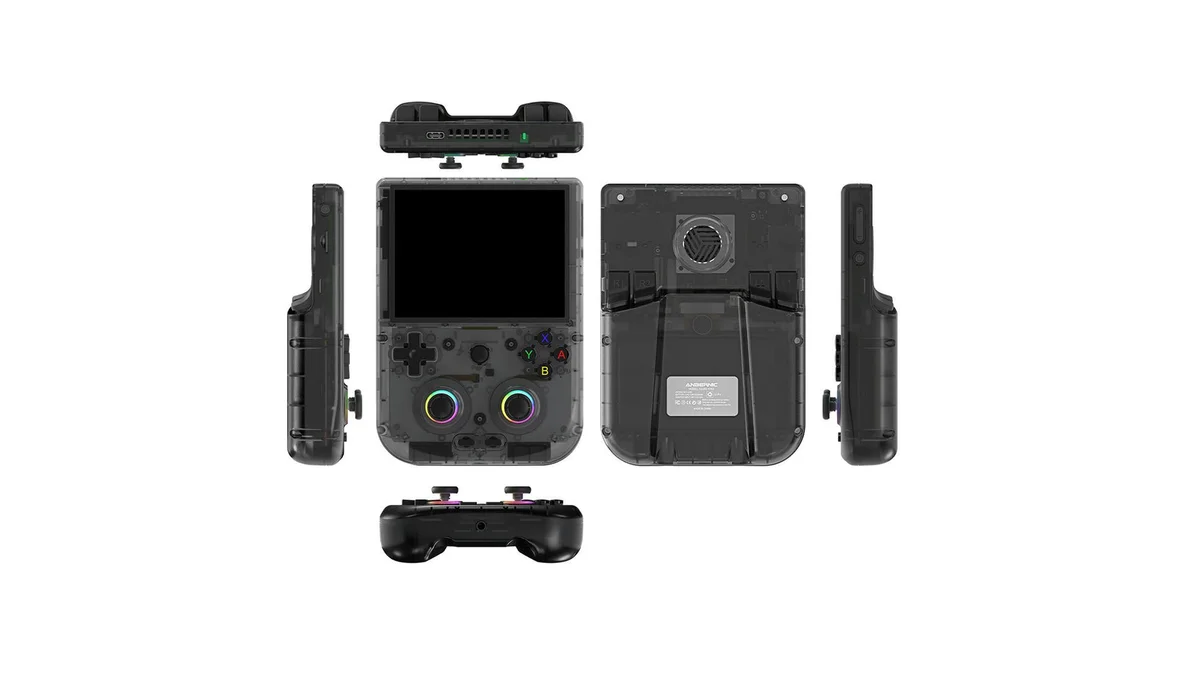
- 4" IPS 960x720 multi-touch
- Unisoc T820 (6nm, 8-core)
- 5,500mAh (8hrs)
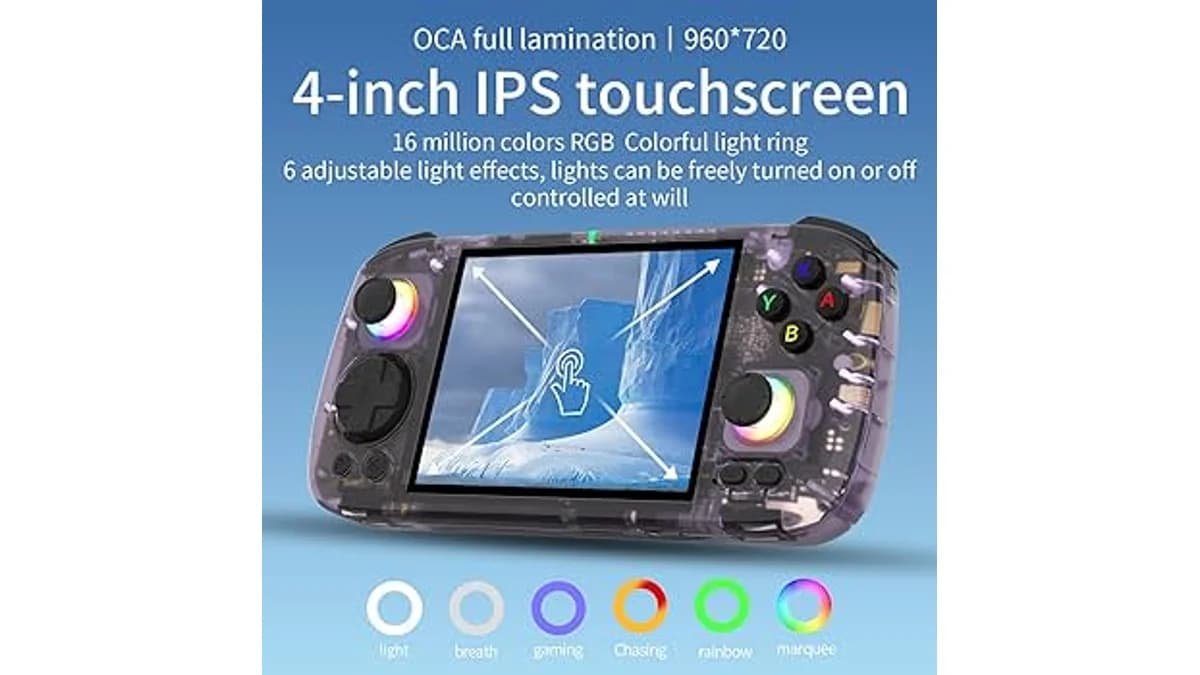
- 4" IPS 640x480 multi-touch
- Unisoc T820 (6nm, 8-core)
- 5,000mAh (8hrs)
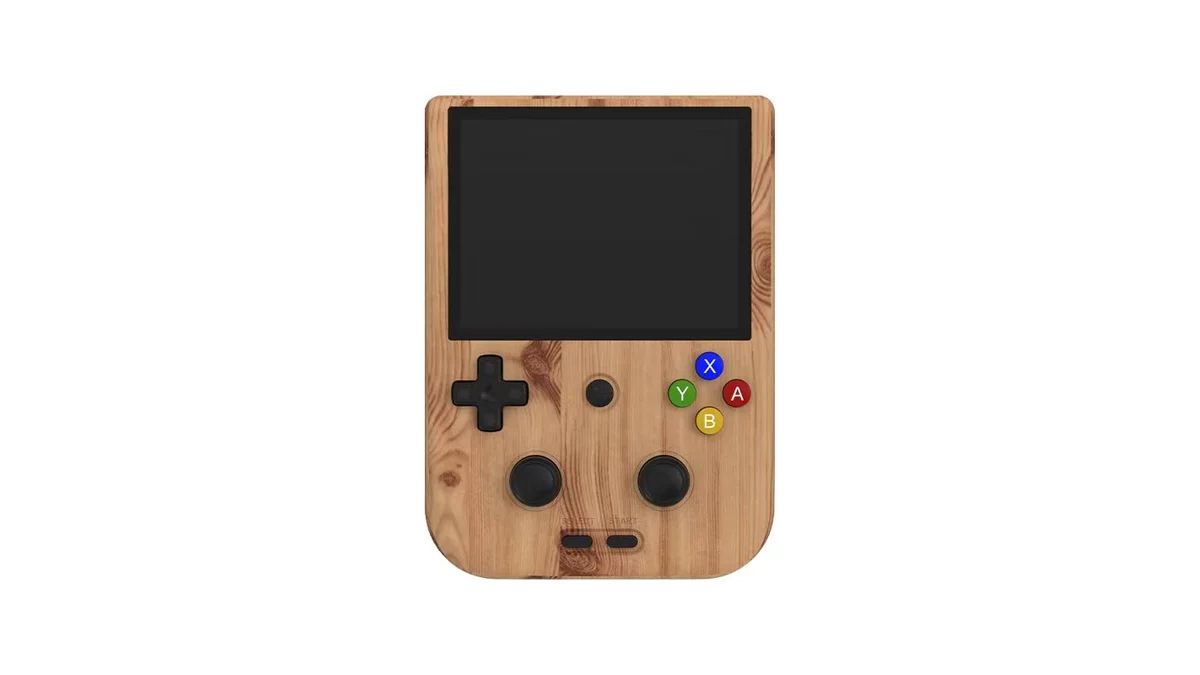
- 4" IPS 640x480 touch
- Unisoc Tiger T618 (octa-core)
- 5,500mAh (9hrs)
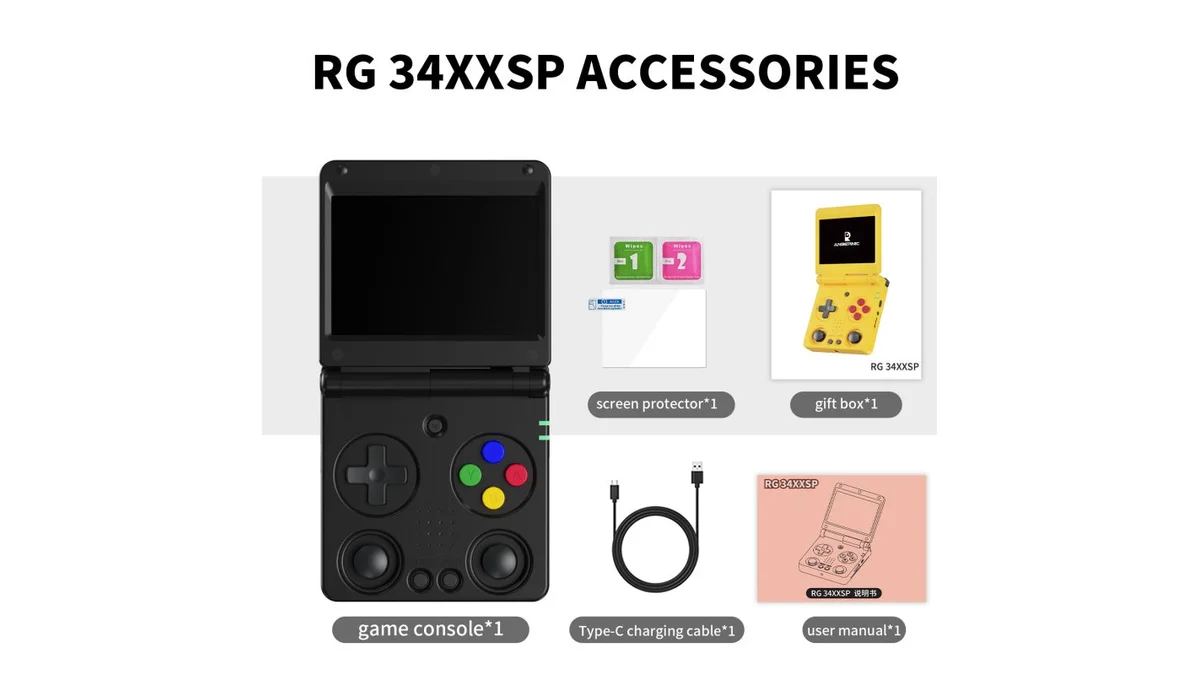
- 3.4" IPS 720x480
- Allwinner H700 (quad-core)
- 3,300mAh (6hrs)
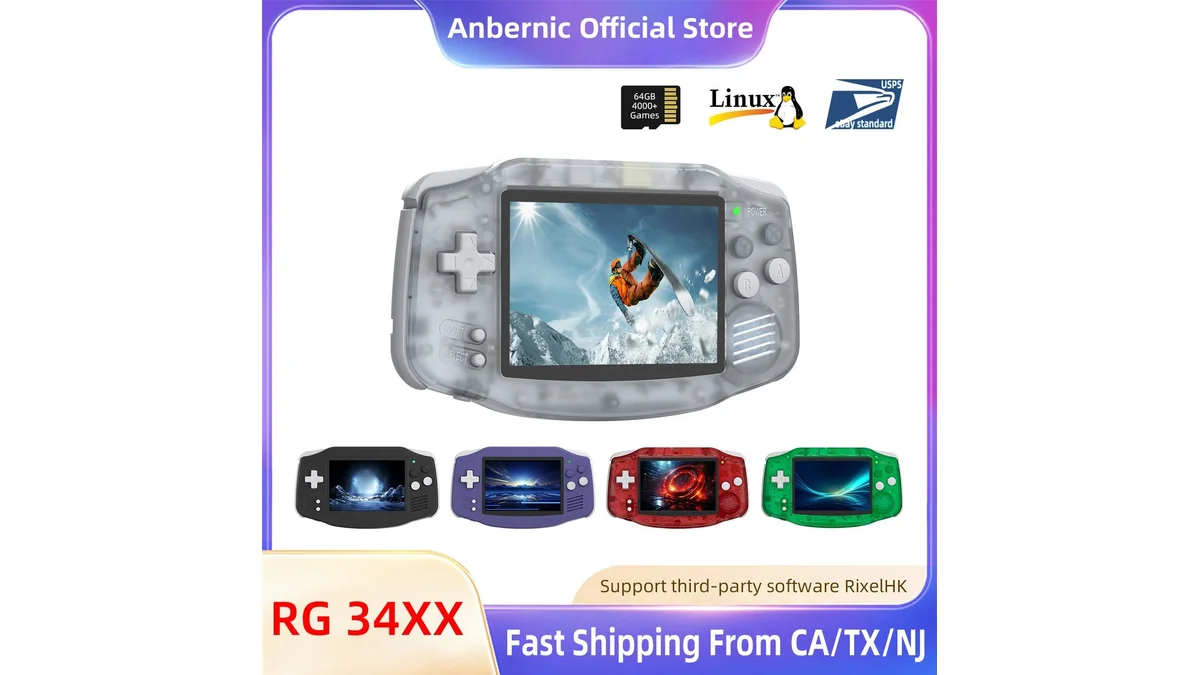
- 3.4" IPS 720x480
- Allwinner H700 (quad-core)
- 3,300mAh
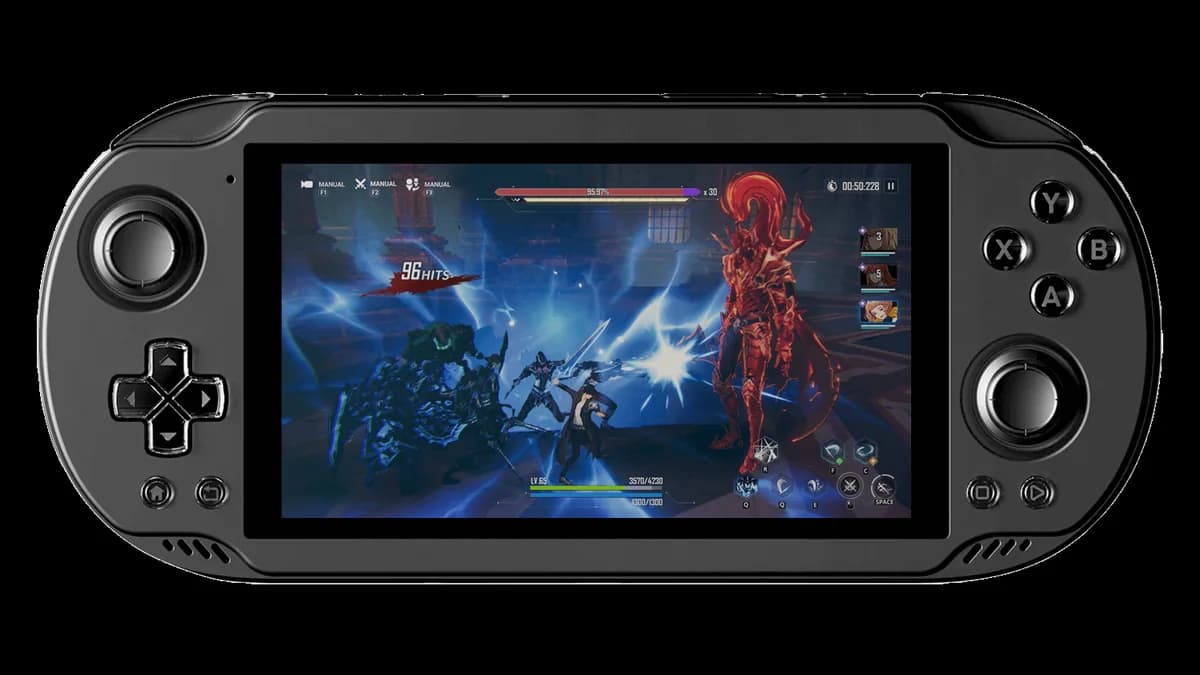
- 5" Mini LED 1920x1080 60Hz (1100 nits)
- Snapdragon 8 Gen 2 (Adreno 740)
- 5,000mAh, 65W charging
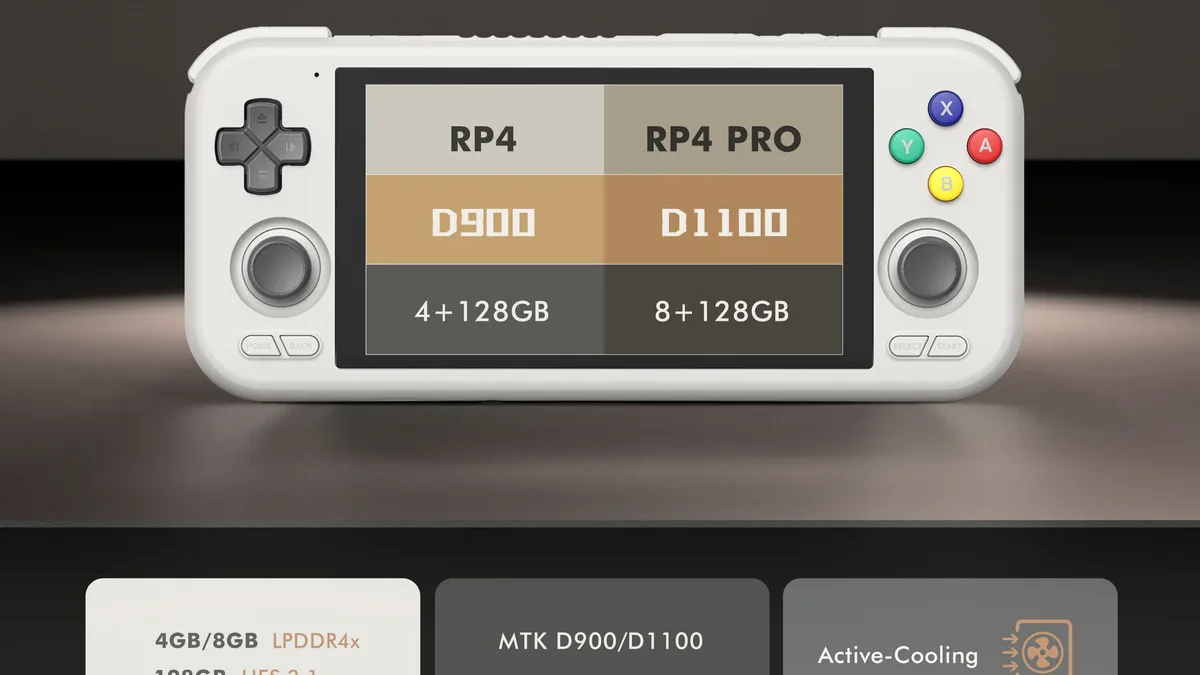
- 4.7" 750x1334 60Hz touchscreen (500 nits)
- MediaTek Dimensity 1100 (Mali-G77 MC9)
- 5,000mAh
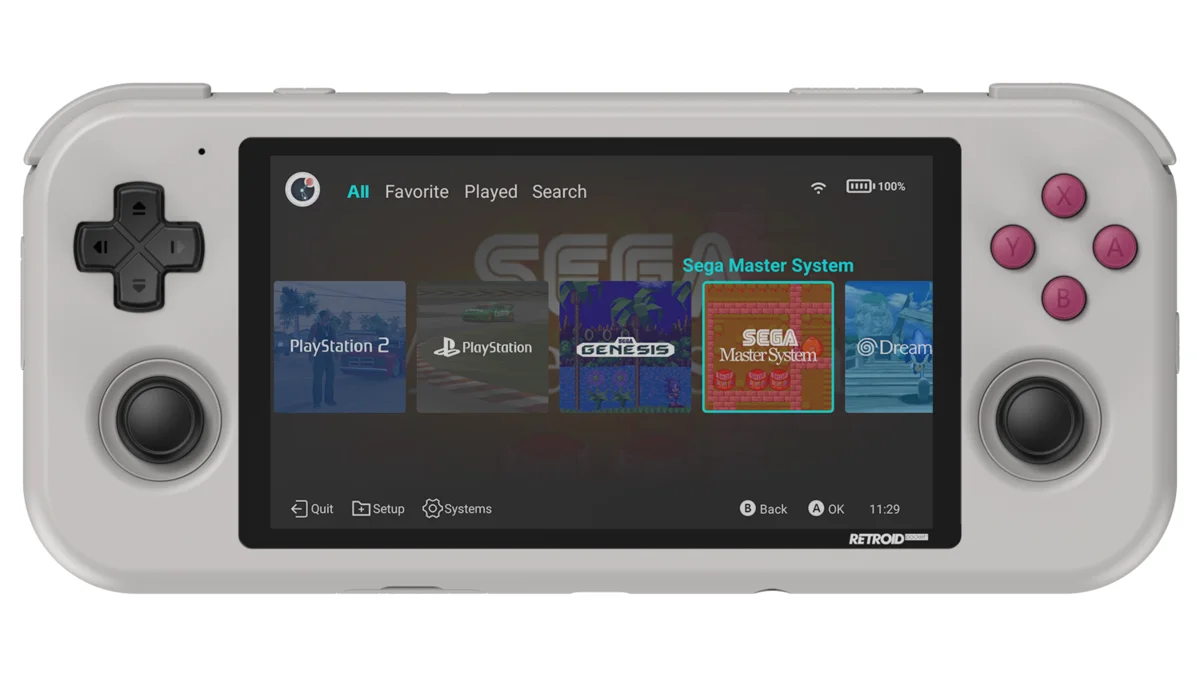
- 4.7" IPS 750x1334 touchscreen
- Unisoc Tiger T618 (Mali-G52 MC2)
- 4,500mAh
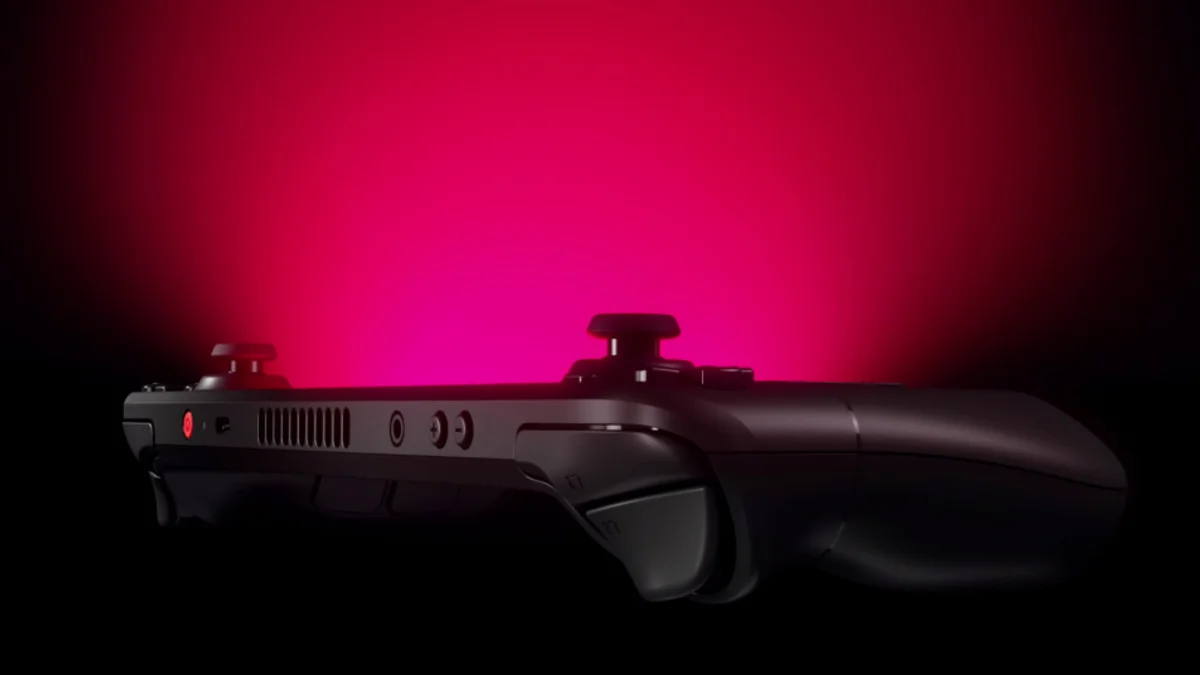
- 7" IPS 1280x800 60Hz (400 nits)
- AMD Zen 2 (4c/8t) + RDNA 2 (8CU)
- 40Whr (2-8hrs)
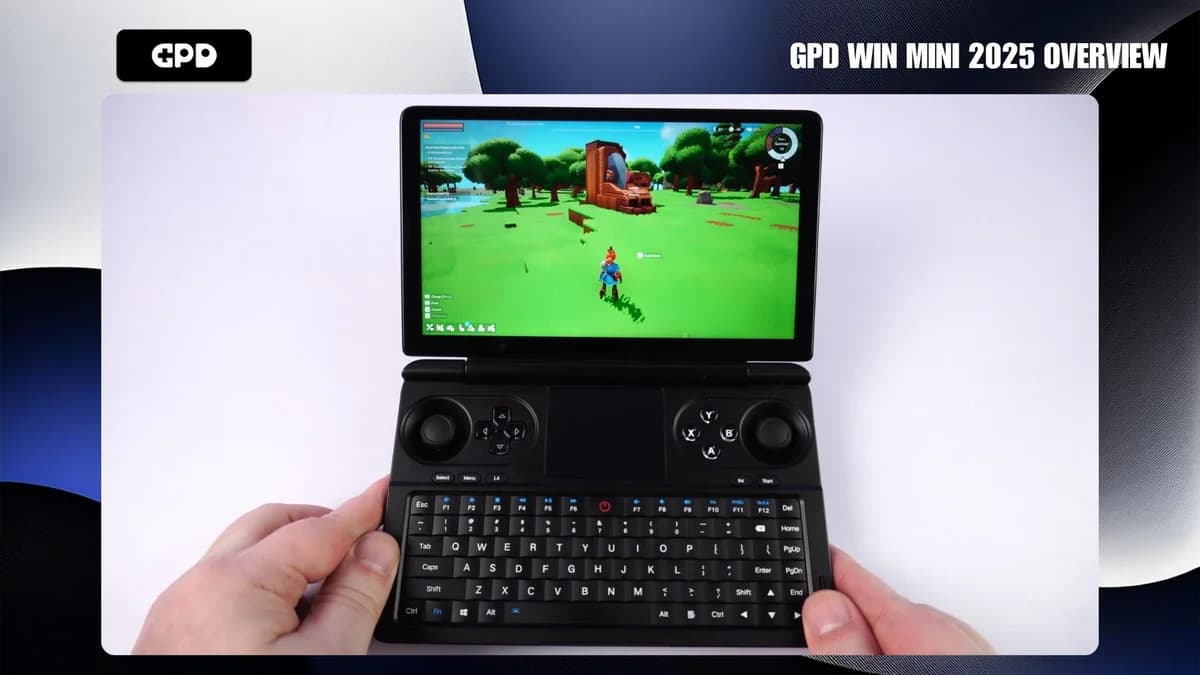
- 7" LTPS 1920x1080 120Hz VRR (500 nits)
- AMD Ryzen AI 9 HX 370 (12C/24T, Zen 5)
- 44.24Wh (3-14hrs)
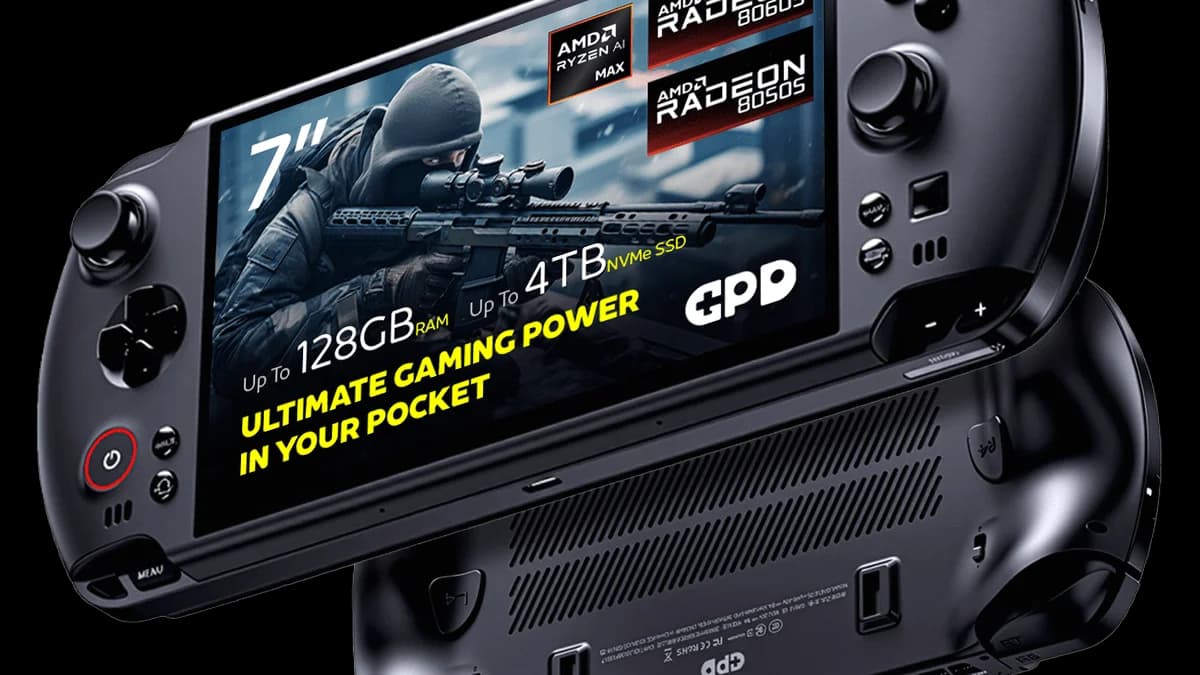
- 7" LTPS 1920x1080 120Hz VRR (500 nits)
- AMD Ryzen AI Max+ 395 (16C/32T, Zen 5) or Ryzen AI Max 385 (8C/16T)
- 80Wh hot-swappable GPD FlexPower (2-3hrs gaming)
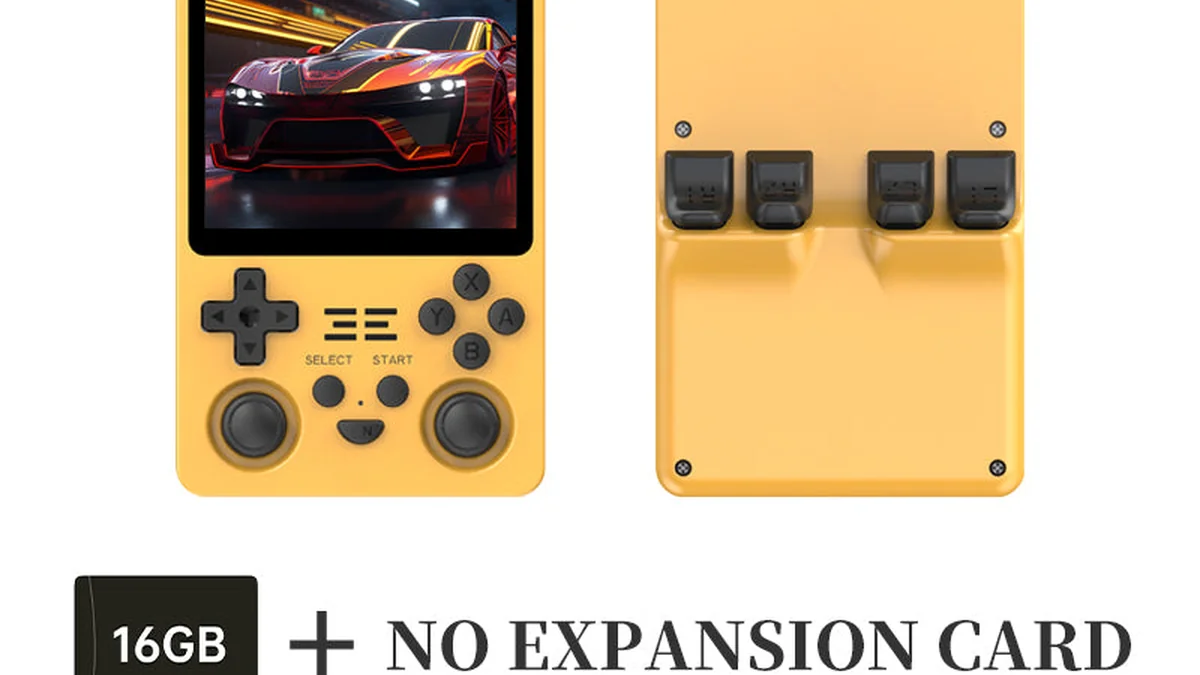
- 4.0" IPS 720x720 (1:1)
- RK3566 Quad-core Cortex-A55
- 5,000mAh
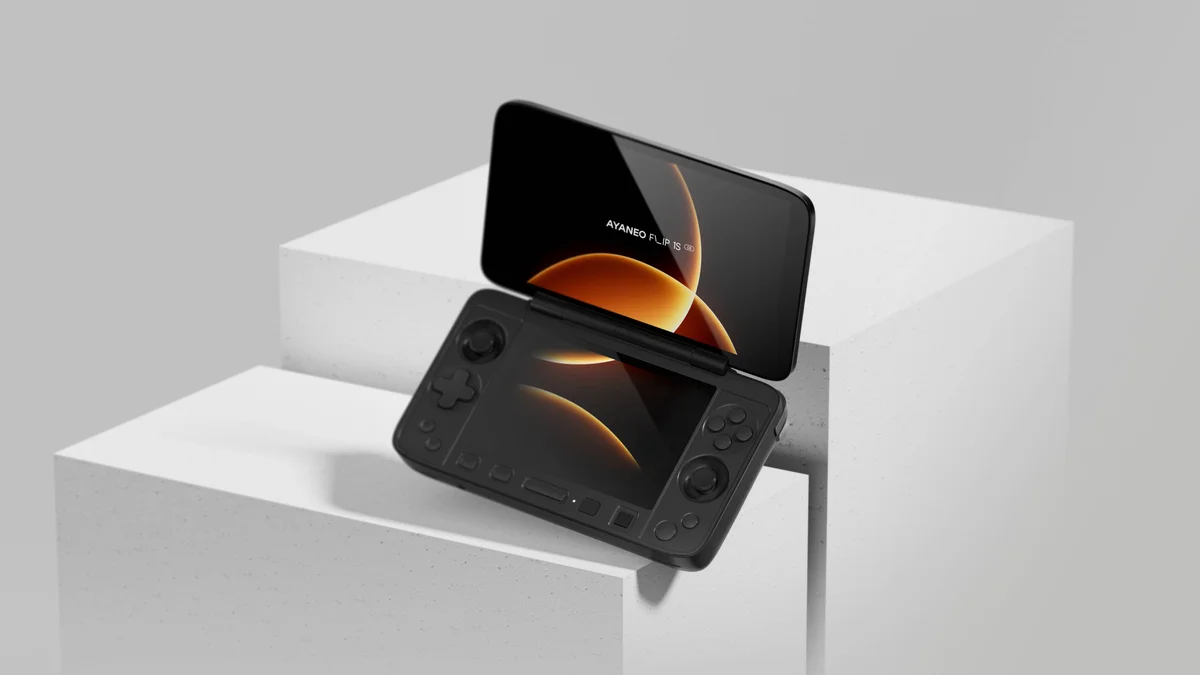
- 7" 1920x1080 primary + 960x640 secondary
- AMD Ryzen AI 9 HX 370
- ~45Whr
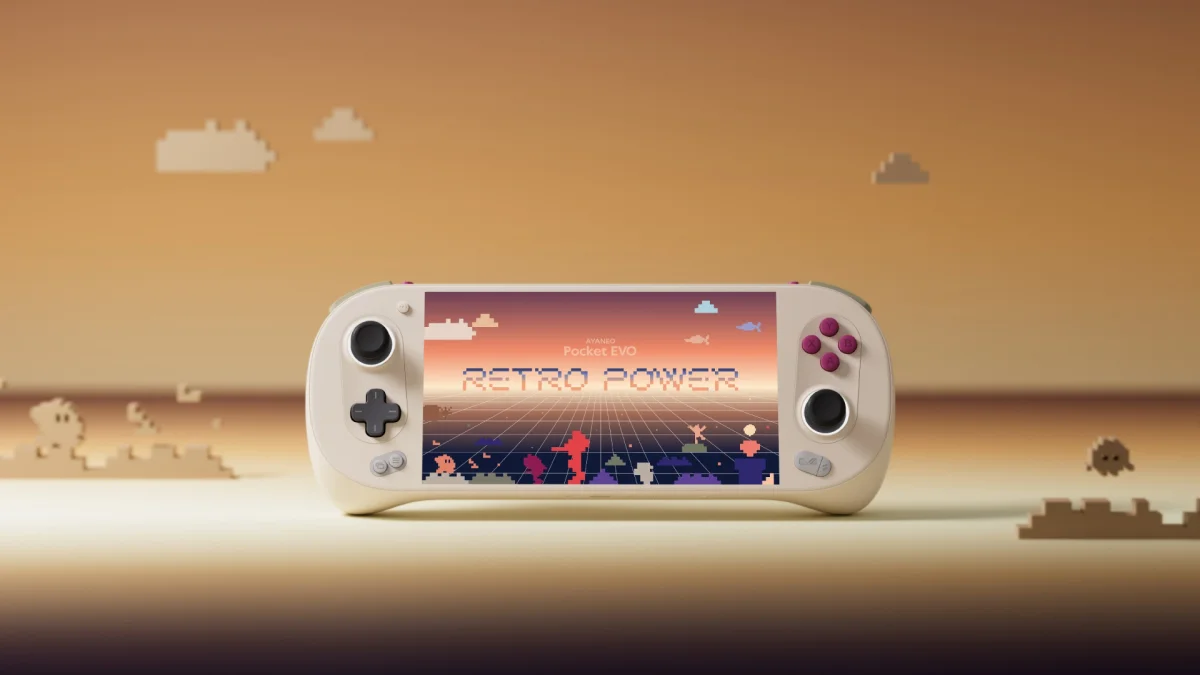
- 7" IPS 1920x1080 120Hz HDR
- Snapdragon 8 Gen 2
- ~8,000mAh
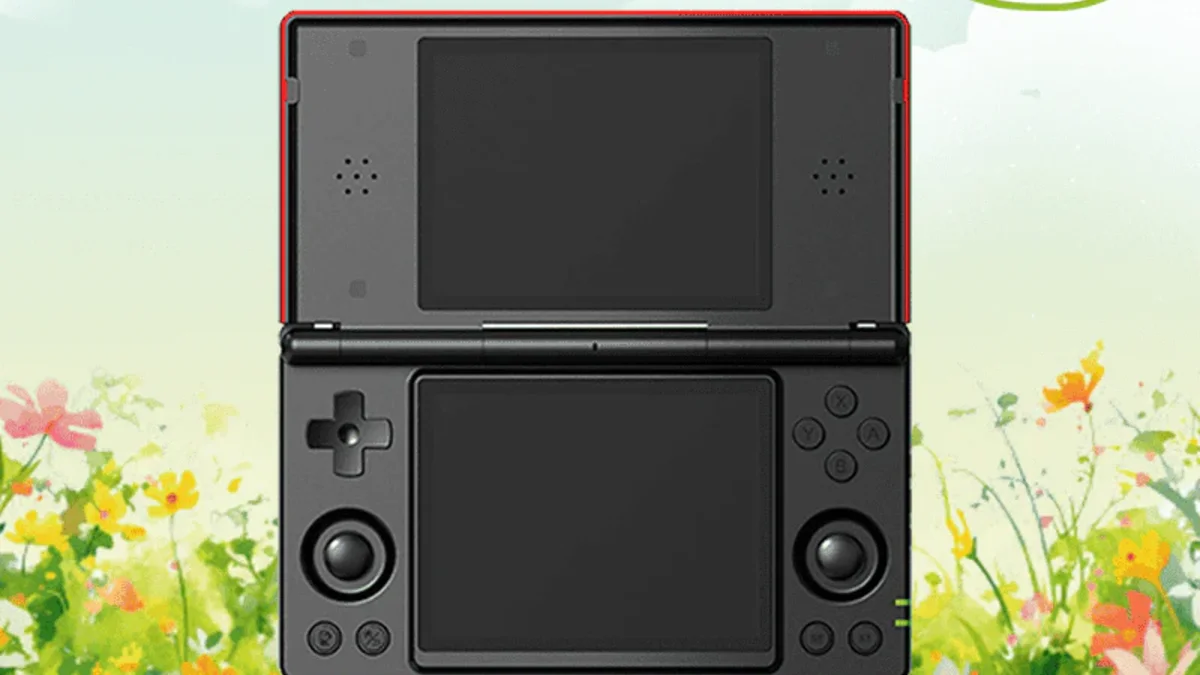
- Dual 4" IPS displays
- RK3568 Quad-core ARM
- 4,000mAh
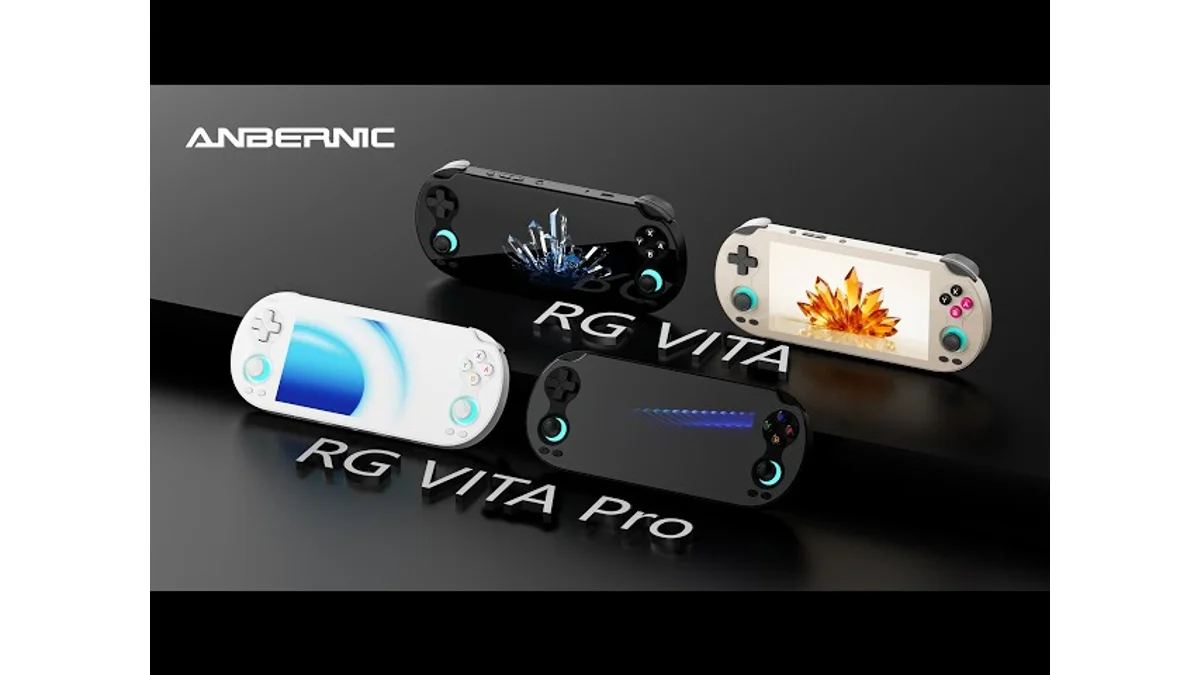
- 5.46" IPS INCELL touchscreen 1280x720
- Unisoc Tiger T618 Octa-core
- 5,000mAh
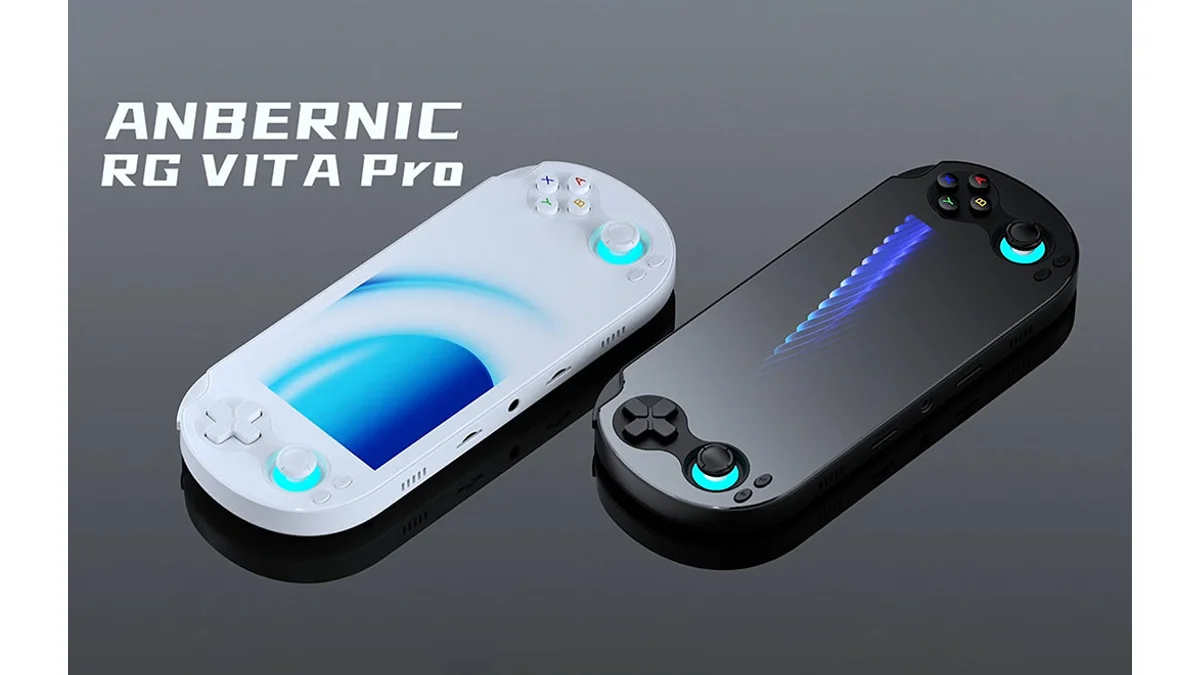
- 5.5" IPS INCELL touchscreen 1920x1080
- Rockchip RK3576 Octa-core
- 5,000mAh
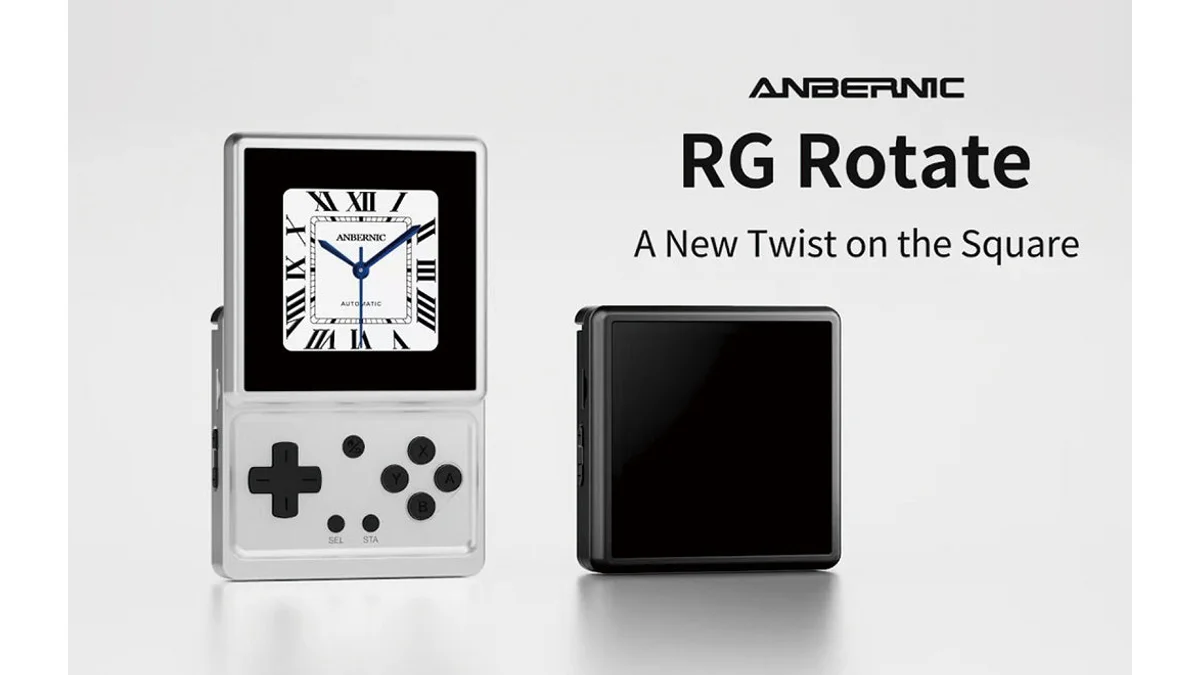
- 3.95" square IPS 720x720 (1:1)
- Unknown (TBA)
- 2,000mAh
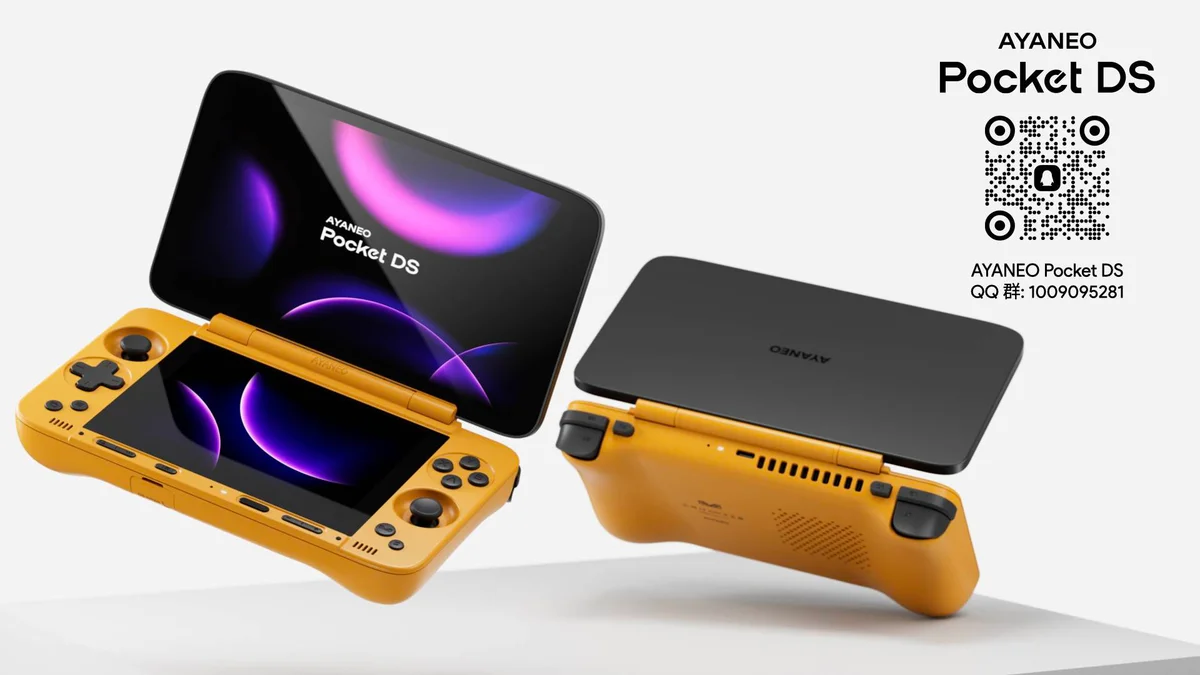
- 7" 1080p OLED 165Hz + 5" 4:3 LCD
- Qualcomm Snapdragon G3x Gen 2
- 8,000mAh
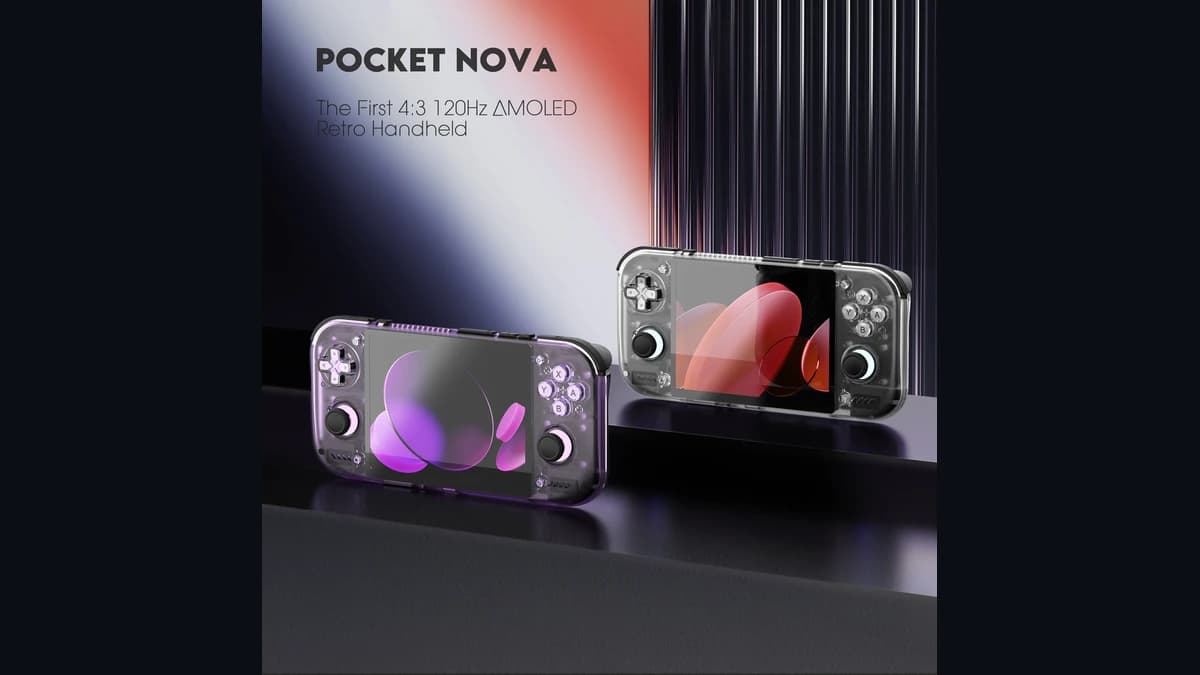
- 4.5" AMOLED 1280x960 120Hz (4:3)
- Qualcomm Dragonwing QCS8550 (Adreno 740)
- 5,000mAh
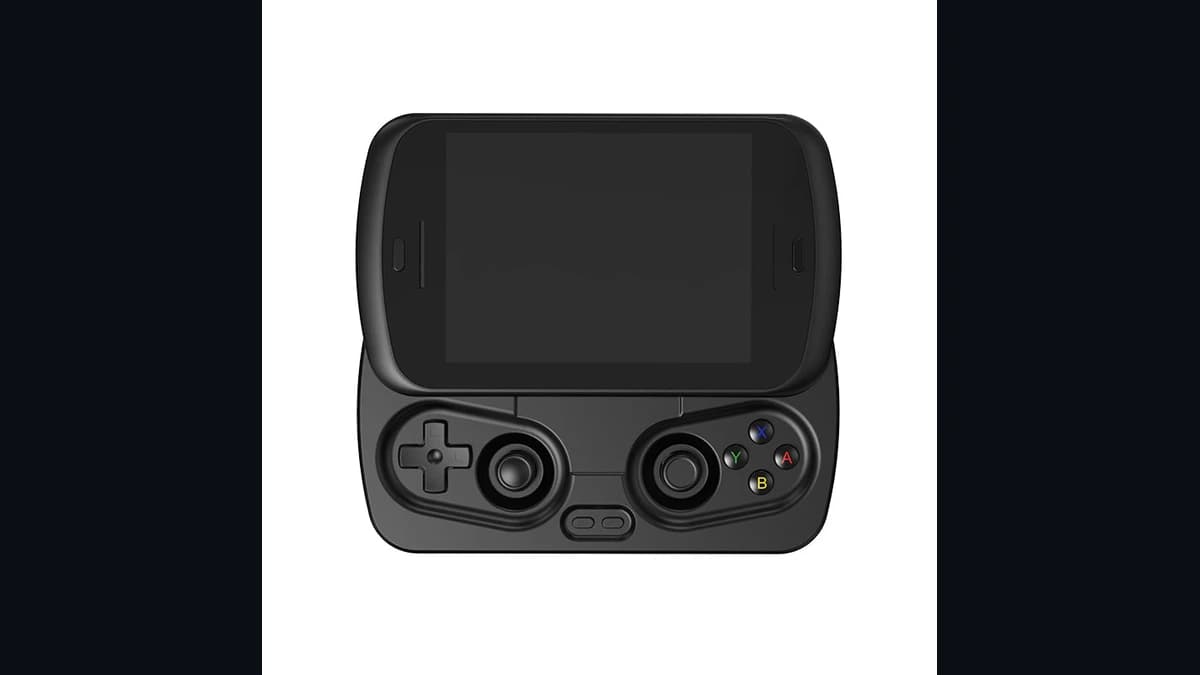
- 4.7" LTPS In-Cell 1280x960 120Hz (4:3)
- Unisoc T820 Octa-core (Mali-G57)
- 5,000mAh (~6 hours claimed)
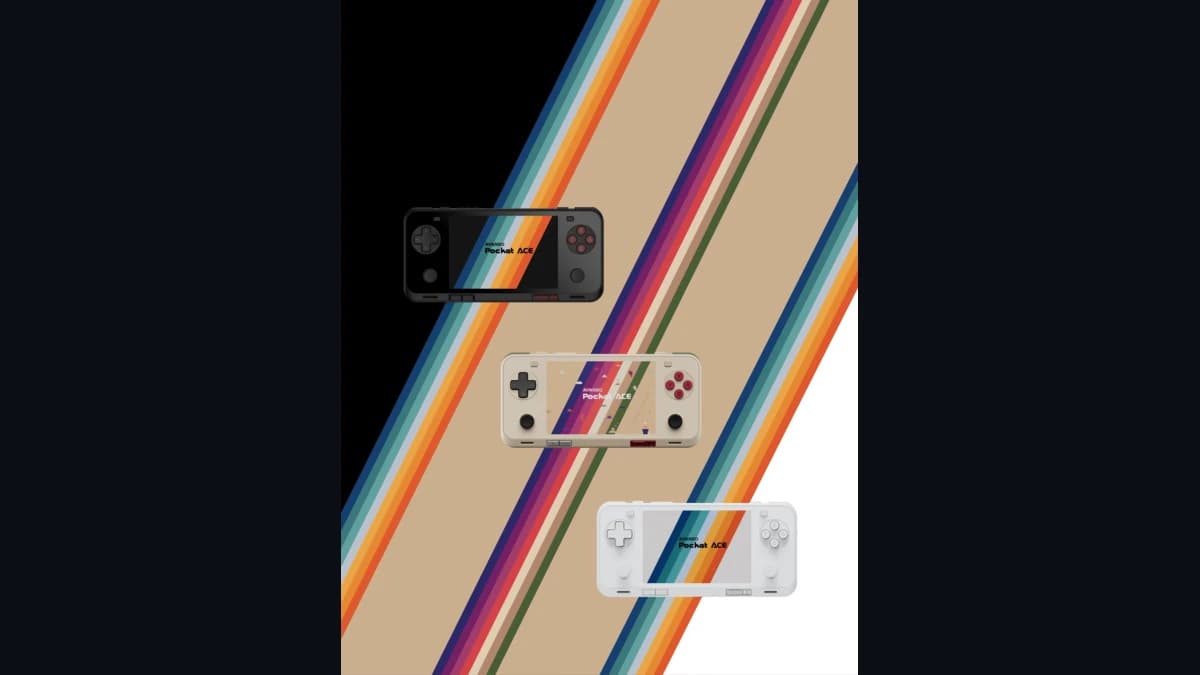
- 4.5" IPS 1620x1080 433PPI (3:2)
- Qualcomm Snapdragon G3x Gen 2 (up to 15W)
- 6,000mAh, 40W PD
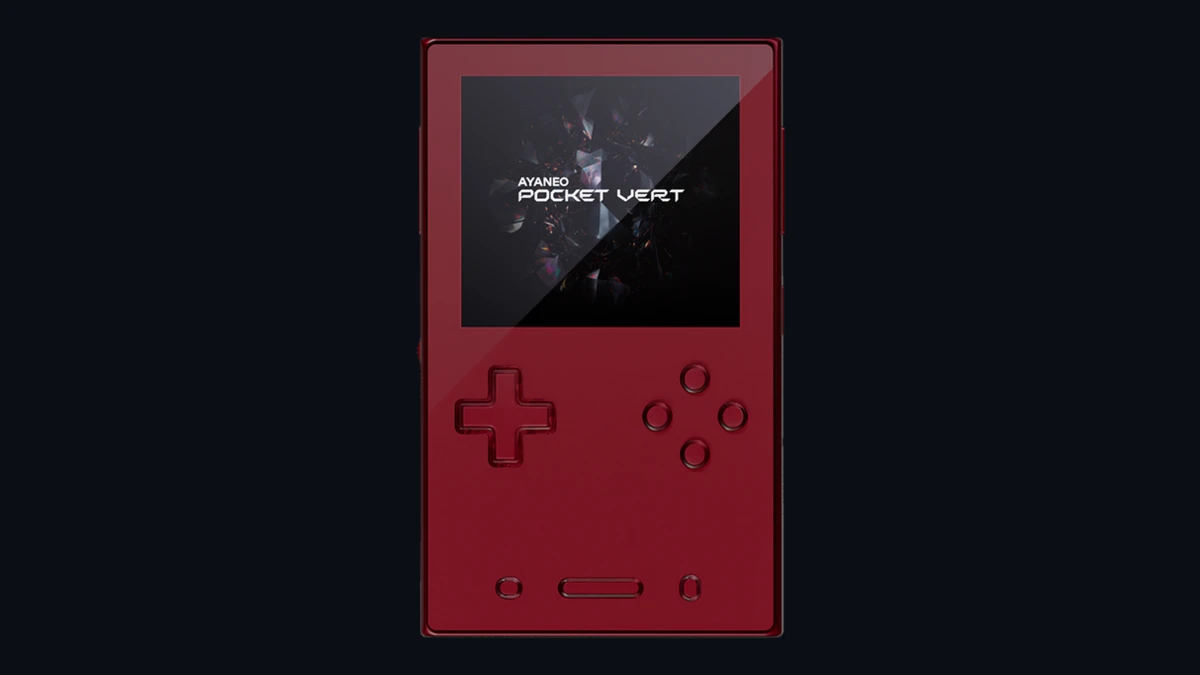
- 3.5" LTPS 1600x1440 615PPI (~10:9)
- Qualcomm Snapdragon 8+ Gen 1 (Adreno 730)
- 6,000mAh
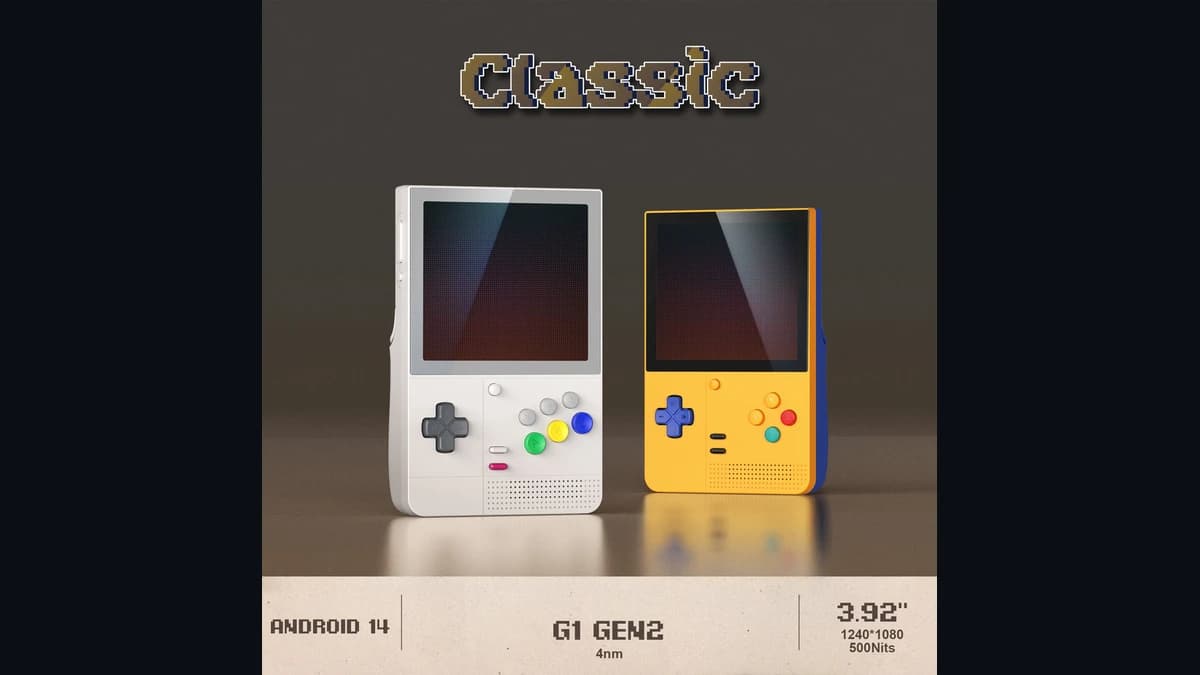
- 3.92" AMOLED 1240x1080 (~5:4 / 31:27)
- Qualcomm Snapdragon G1 Gen 2 (Adreno A12)
- 5,000mAh, 27W charging
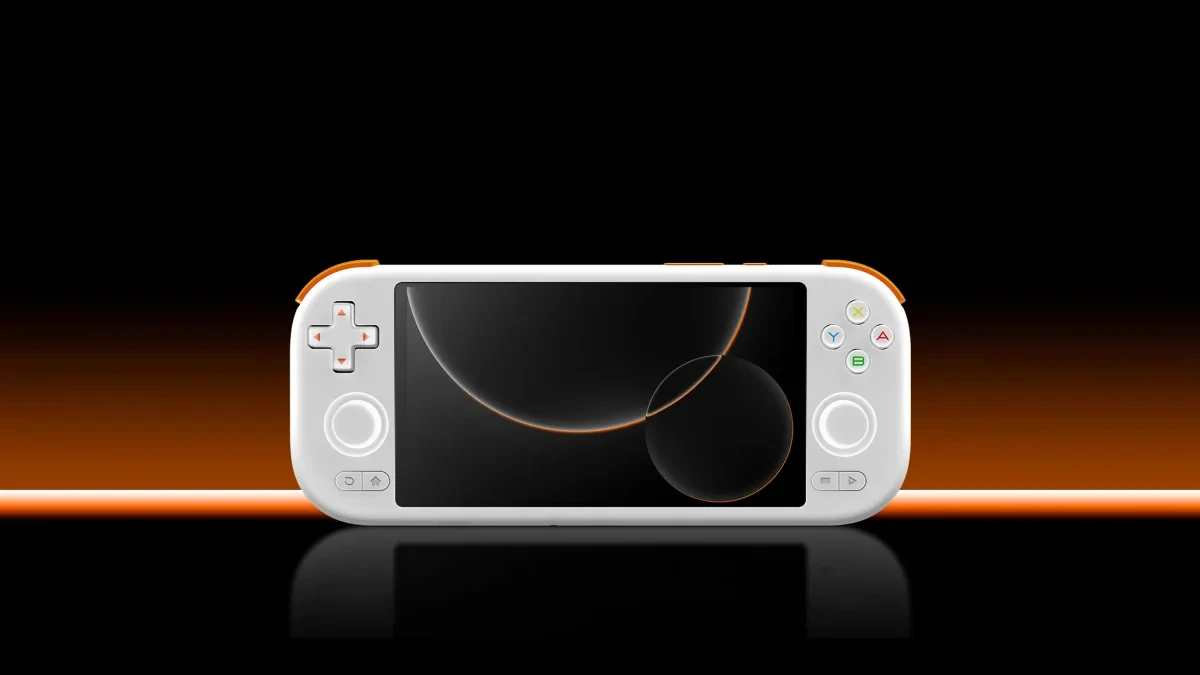
- 5.5" IPS 1920x1080 (16:9)
- Qualcomm Snapdragon 662 (Adreno 610)
- 5,000mAh, 15W charging
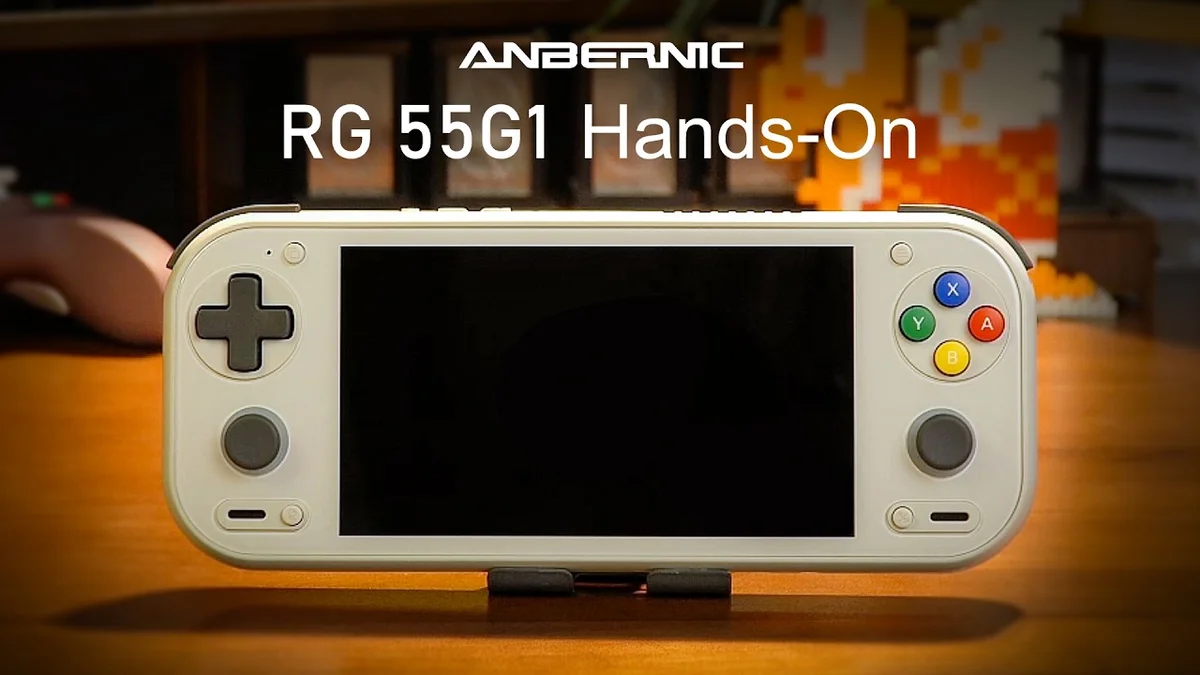
- 5.5" IPS 1920x1080 60Hz (16:9, laminated)
- Qualcomm Snapdragon G1 Gen 2 (Adreno A12)
- 6,000mAh, 18W charging (~8 hrs claimed)
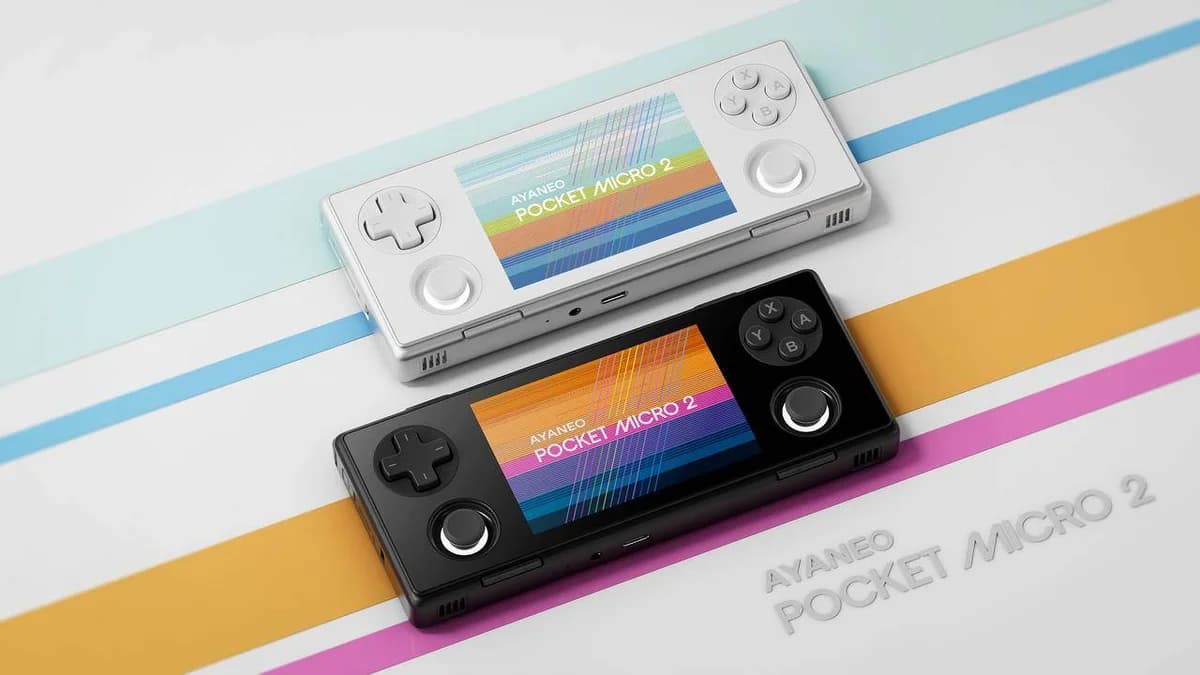
- 3.5" IPS 960x640 3:2 (~330 PPI)
- Snapdragon 865-class (Adreno 650)
- 3,950mAh
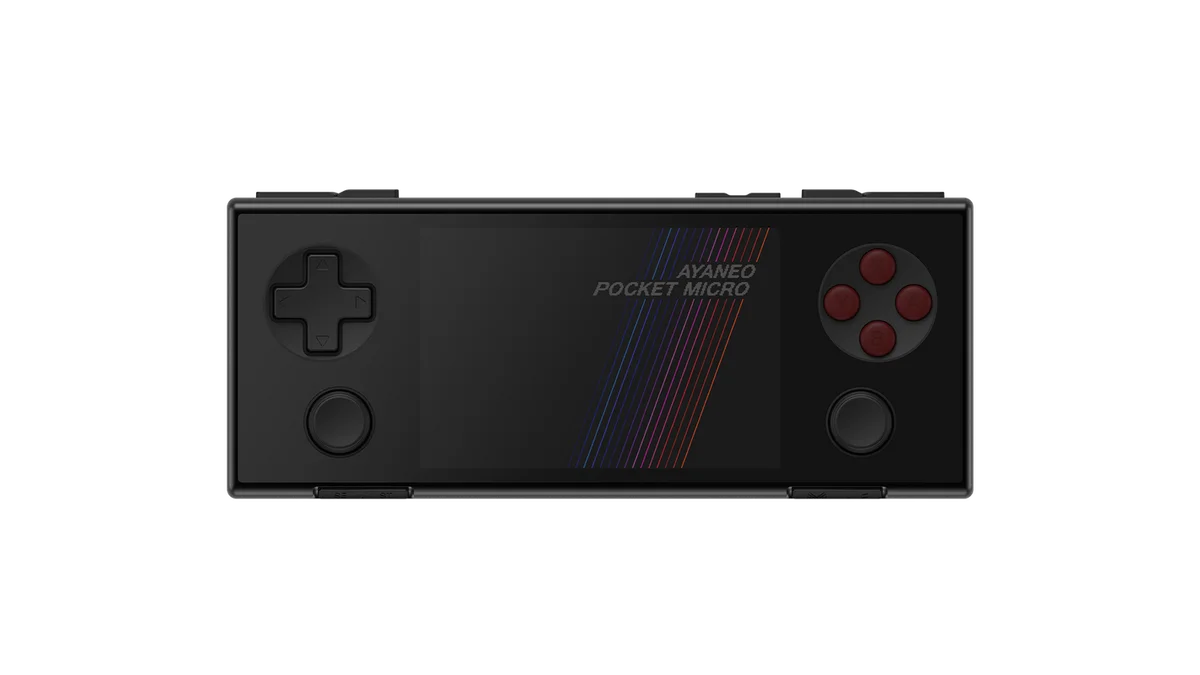
- 3.5" IPS 960x640 3:2 (~330 PPI, 100% sRGB)
- MediaTek Helio G99
- 2,600mAh
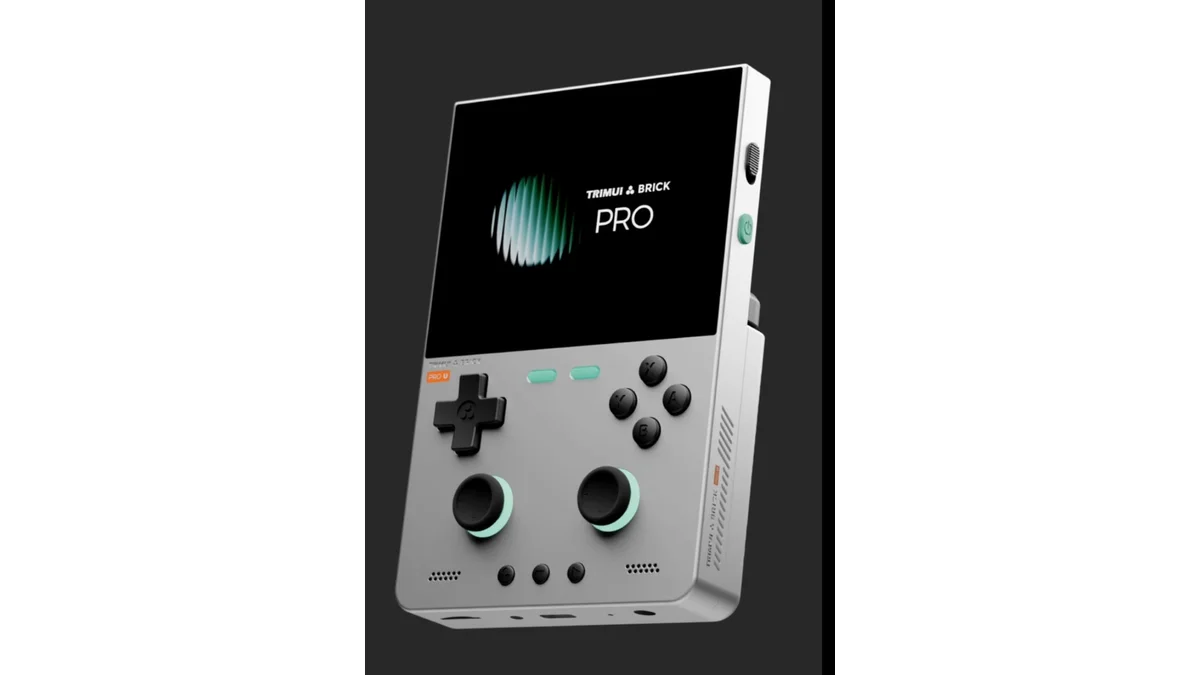
- 3.95" IPS 1024x768 4:3 60Hz (324 PPI)
- Allwinner A133P 1.8GHz (PowerVR GE8300)
- 5,000mAh (~5-10 hours claimed)
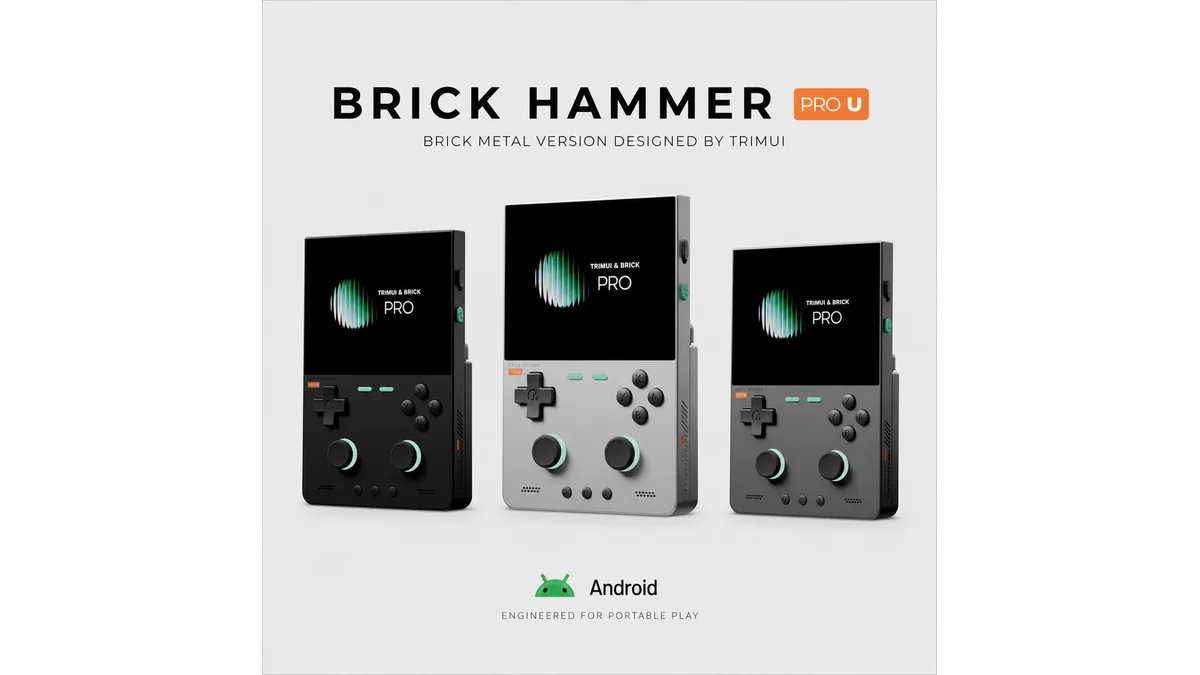
- 3.95" IPS 1024x768 4:3 60Hz (324 PPI)
- Snapdragon G2 Gen 1 / SG6150 (Adreno A21)
- 3,000mAh (~5 hours claimed)
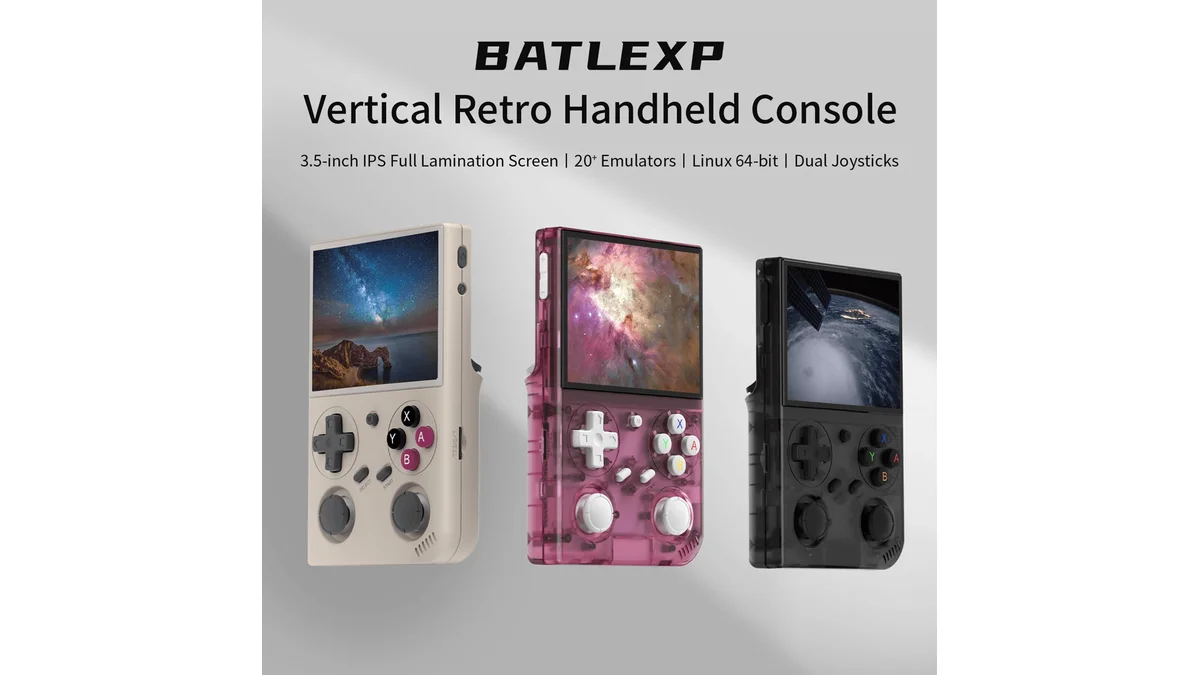
- 3.5" IPS 640x480 4:3 (full laminate)
- Rockchip RK3326 (Mali-G31 MP2)
- 3,200mAh (~6 hours claimed)
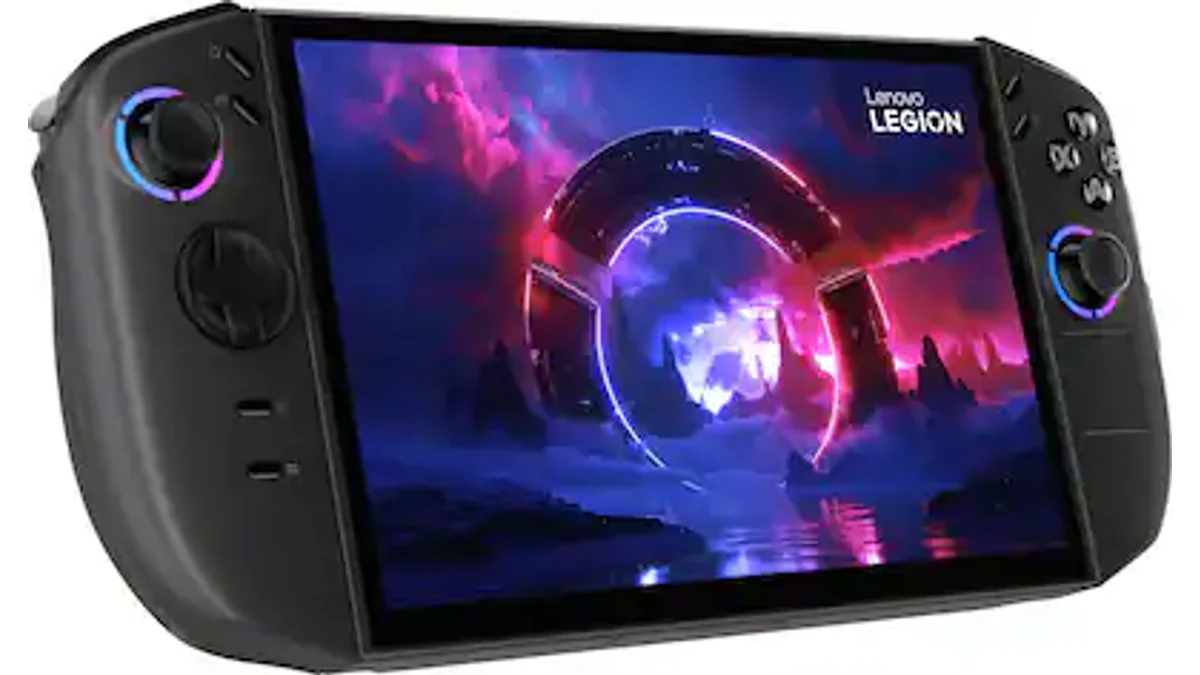
- 8.8" OLED 1920x1200 144Hz VRR (PureSight)
- AMD Ryzen Z2 / Z2 Extreme
- 74Wh
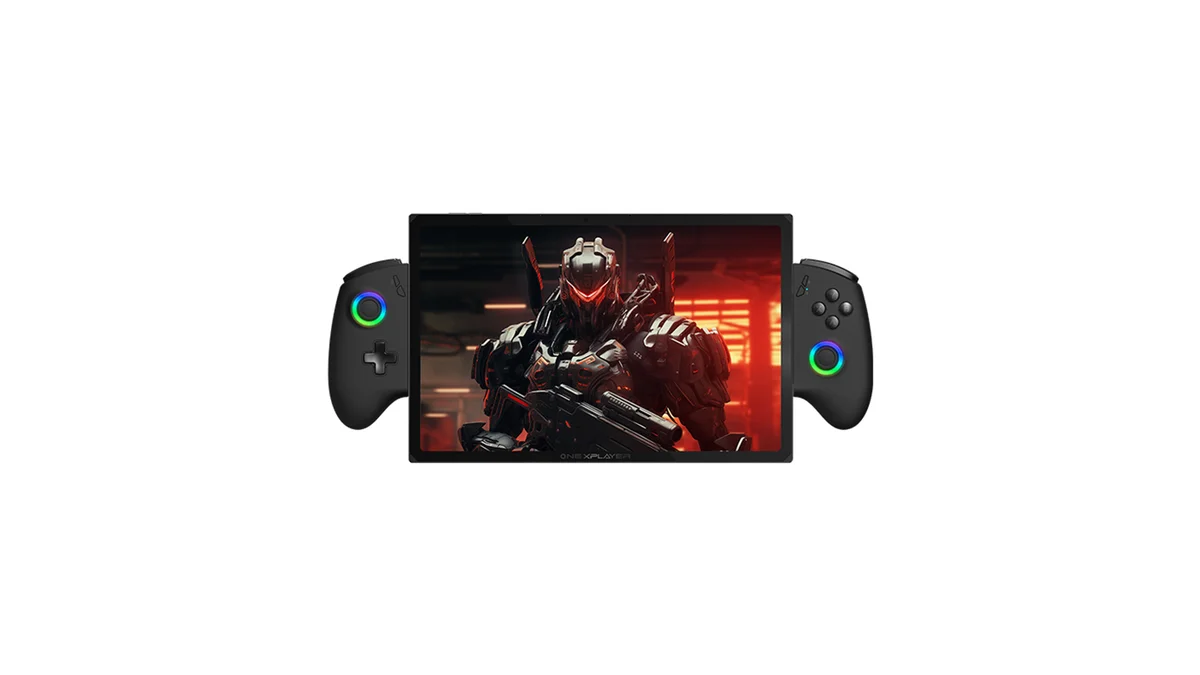
- 10.95" LTPS 2560x1600 120Hz touch (16:10)
- AMD Ryzen 7 8840U (8c/16t, Radeon 780M)
- 65.02Wh
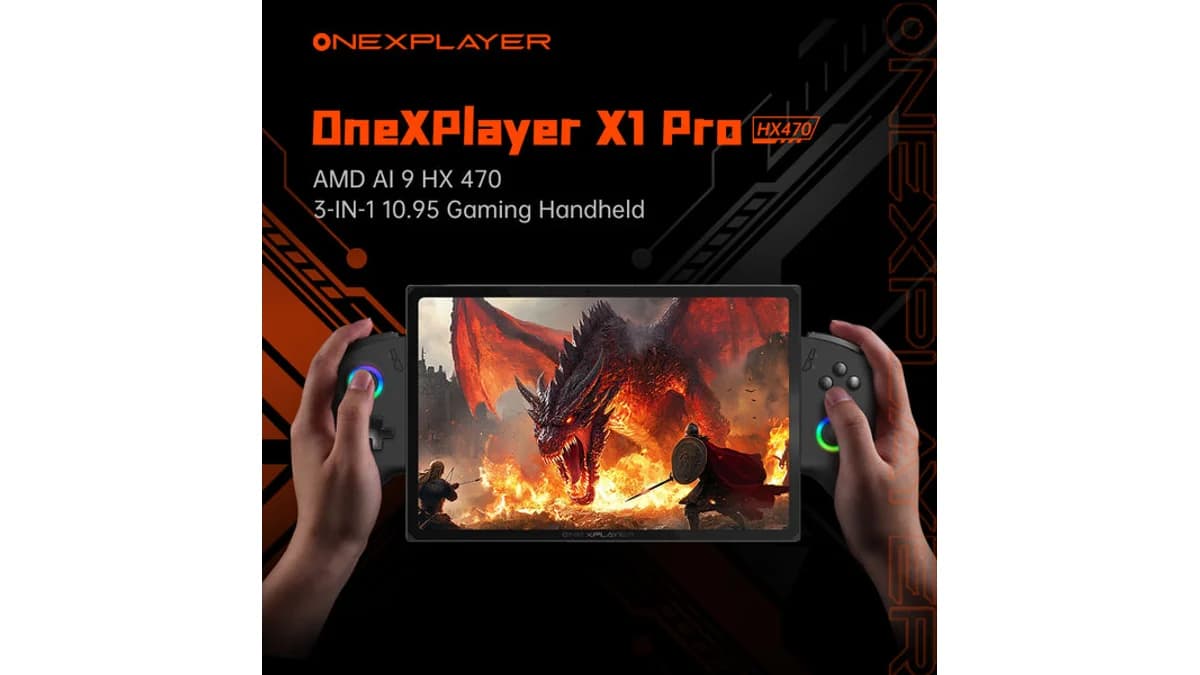
- 10.95" 2.5K (2560x1600) 120Hz touch (16:10)
- AMD Ryzen AI 9 HX 470 (12c/24t, Radeon 890M)
- 65.02Wh
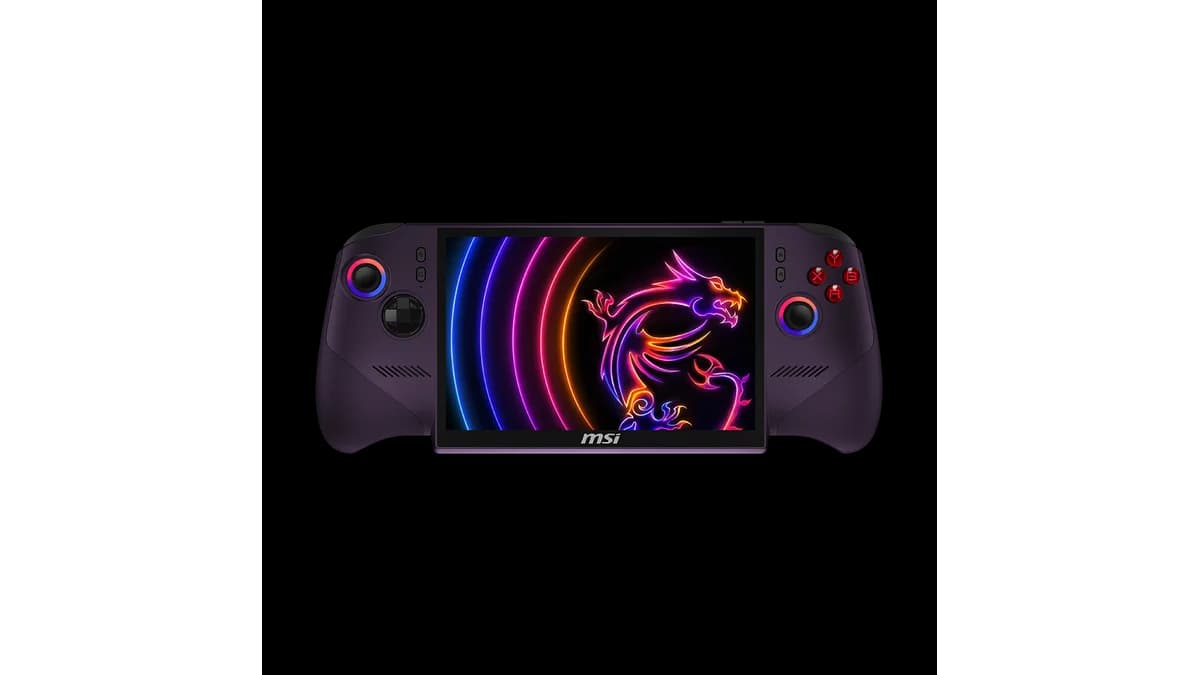
- 8" IPS 1920x1200 120Hz touch, ~500 nits, 100% sRGB
- Intel Arc G3 Extreme (Arc B390 iGPU)
- 80Wh
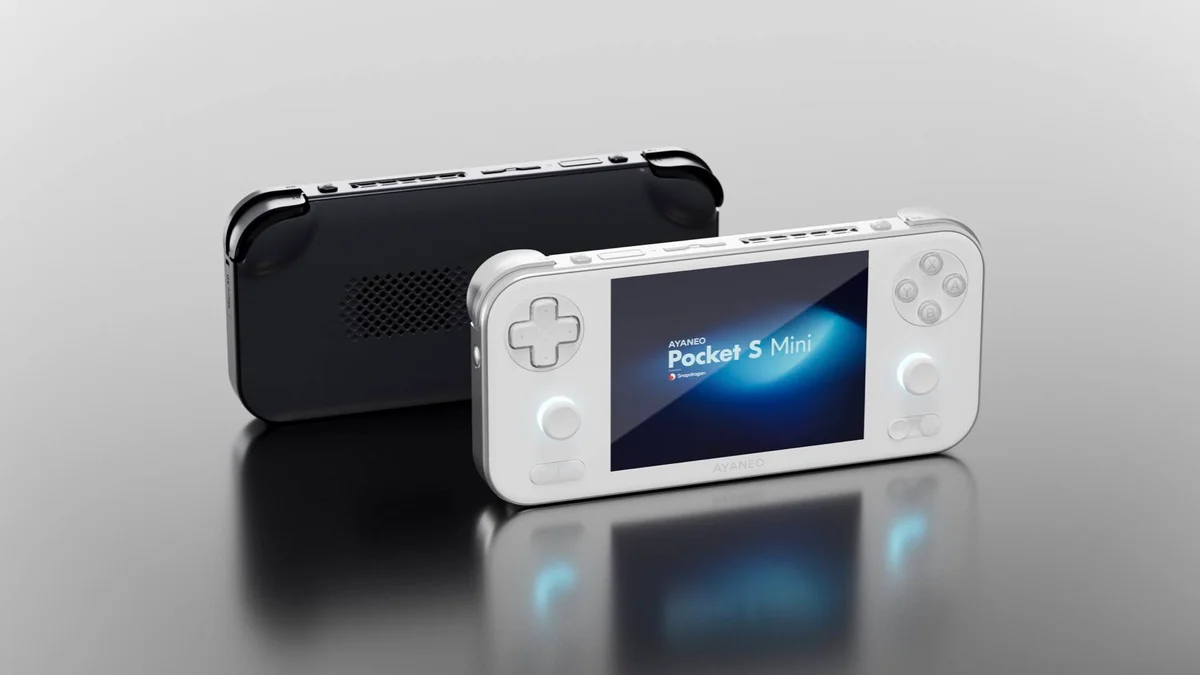
- 4.2" LCD 1280x960 60Hz 4:3 (~381 PPI)
- Qualcomm Snapdragon G3x Gen 2 (Adreno A32)
- 4,700mAh
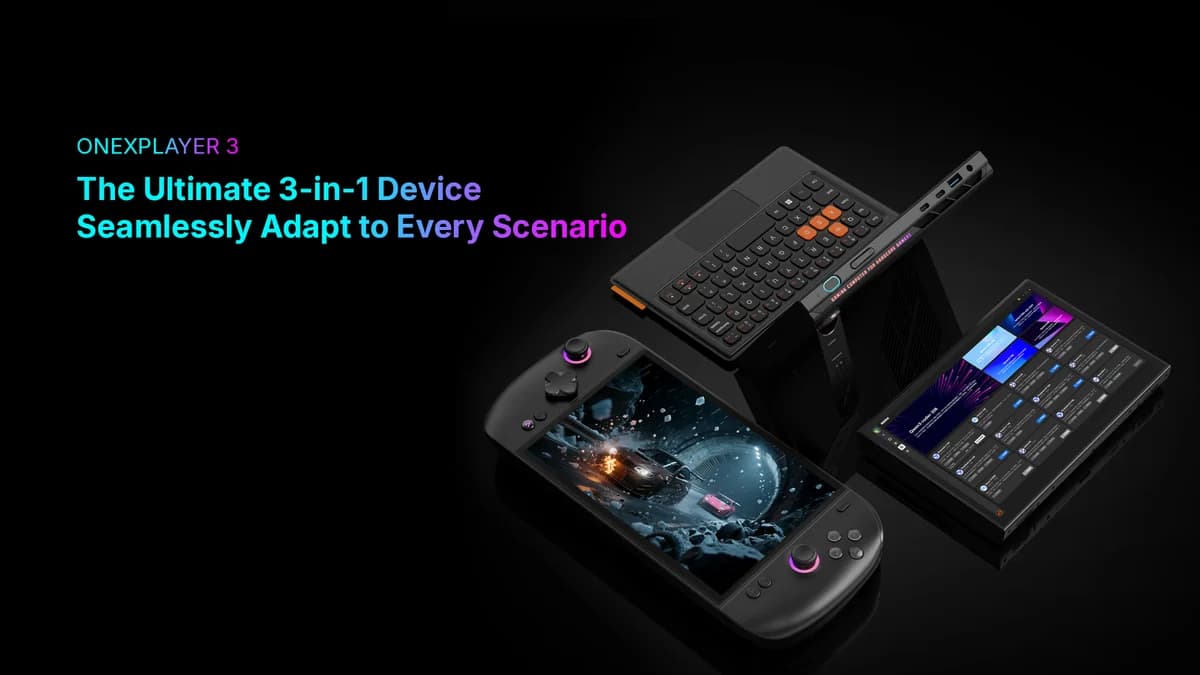
- 8.8" AMOLED 1920x1200 144Hz VRR HDR touch
- Intel Arc G3 Extreme (Arc B390 iGPU)
- 85Wh
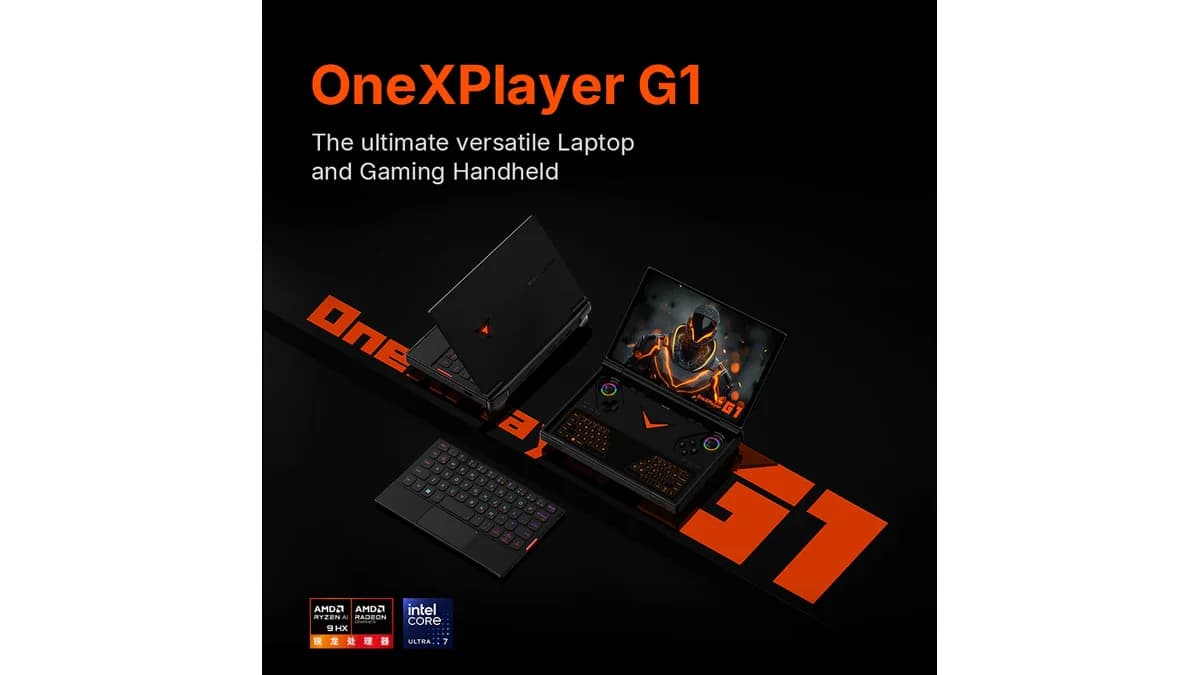
- 8.8" IPS 2560x1600 144Hz touch (16:10)
- AMD Ryzen AI 9 HX 370 (Radeon 890M); also 8840U / Core Ultra 7 255H SKUs
- 52Wh
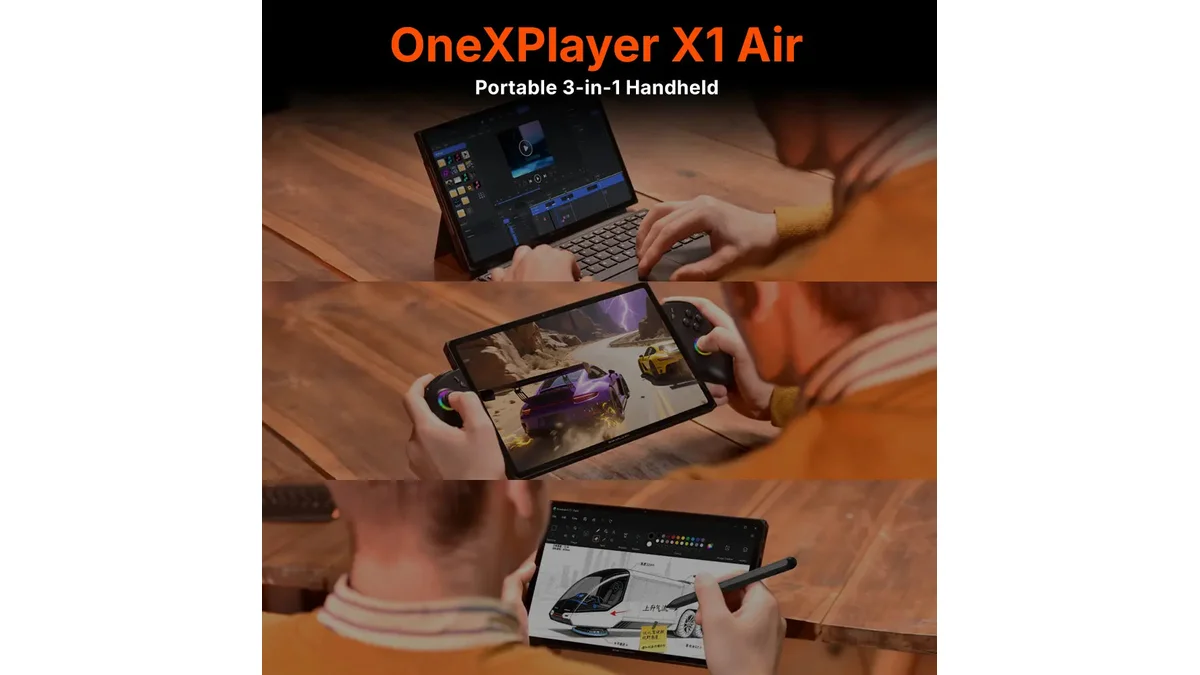
- 10.95" LTPS 2560x1600 120Hz touch (16:10)
- Intel Core Ultra 7 258V (Arc 140V) or Ultra 5 228V (Arc 130V)
- 72.77Wh
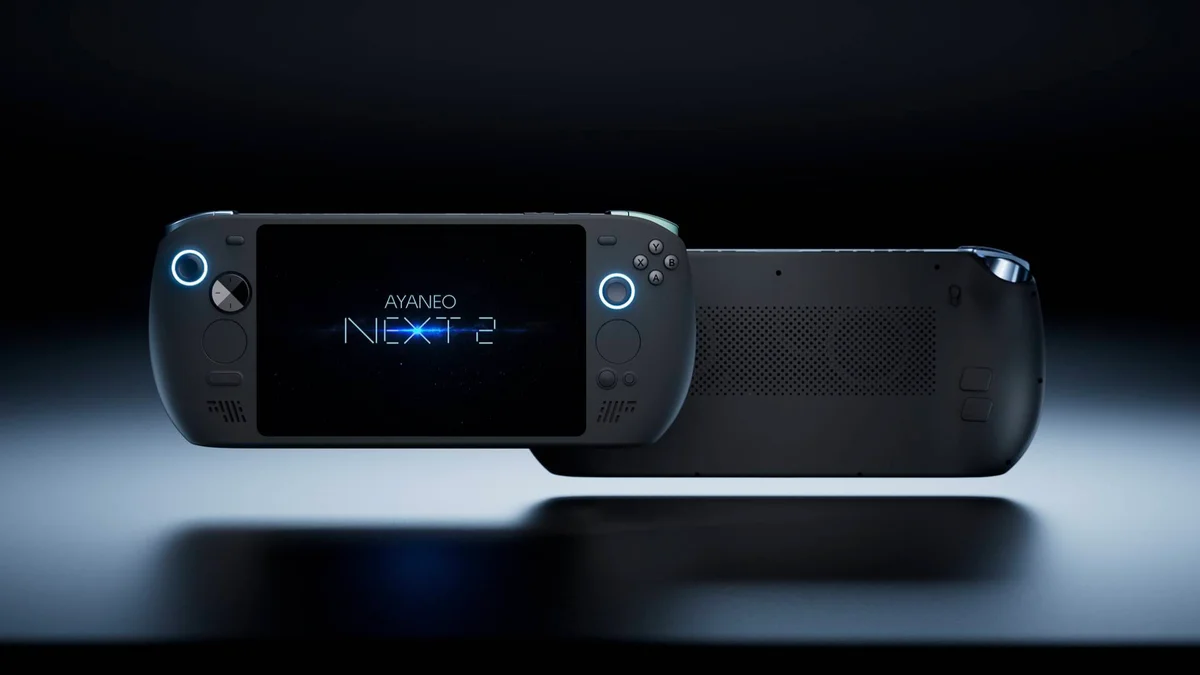
- 9.06" OLED 2400x1504 60-165Hz (~1100 nits peak)
- AMD Ryzen AI Max+ 385 (Radeon 8050S) or Max+ 395 (Radeon 8060S)
- 116Wh (non-removable)
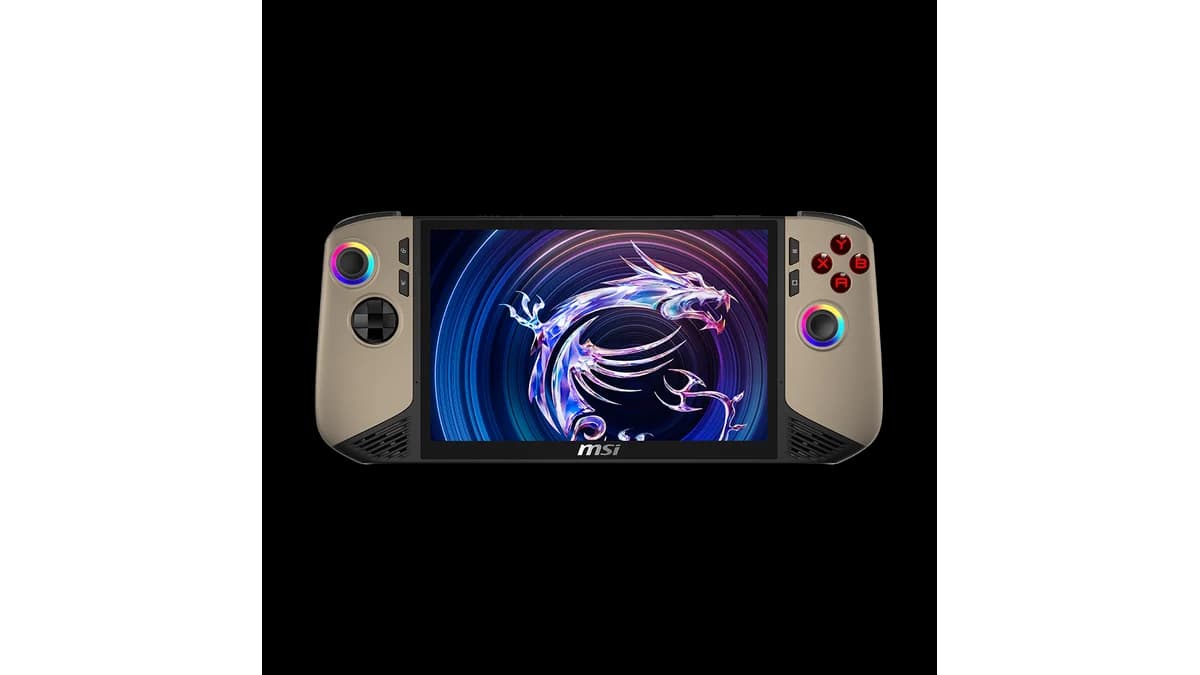
- 8" IPS 1920x1200 120Hz VRR touch (~500+ nits)
- Intel Core Ultra 7 258V (Arc Graphics 140V, Lunar Lake)
- 80Wh
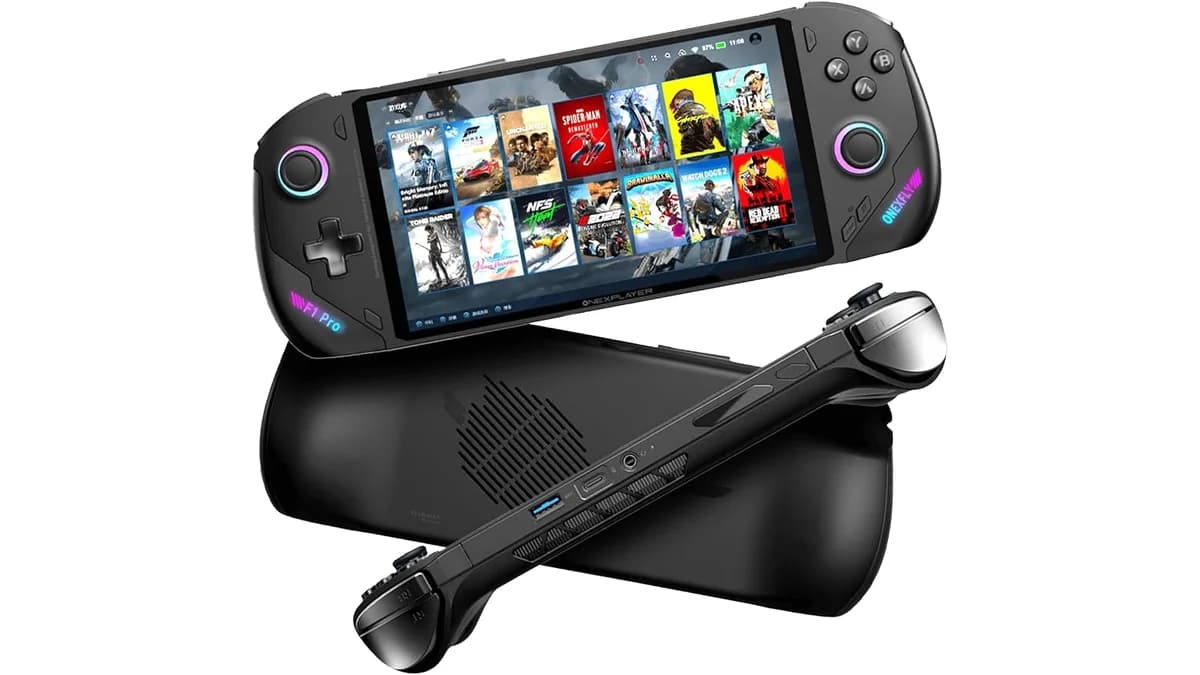
- 7" OLED 1920x1080 144Hz touch (~800 nits)
- AMD Ryzen AI 9 HX 370 / HX 365 / Ryzen 7 8840U
- 48.5Wh
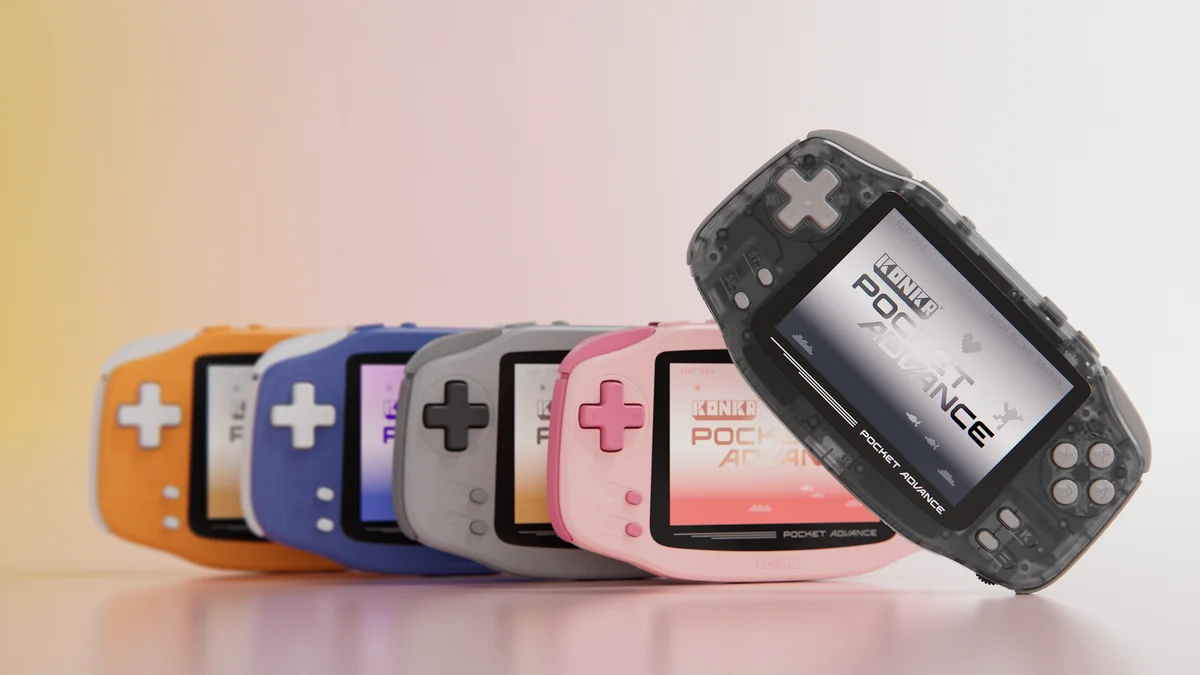
- 3.5" LCD 960x640 (3:2)
- MediaTek Helio G90T
- 4,000mAh, USB-C PD
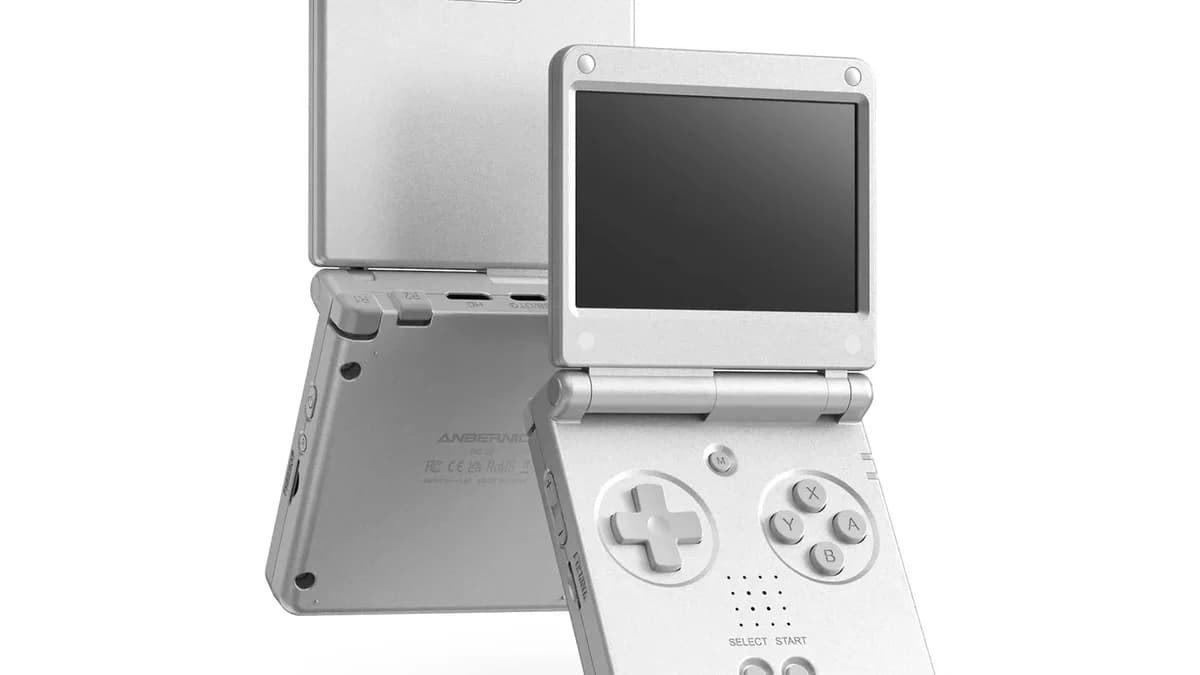
- 3.4" IPS 720x480 (3:2, OCA laminated)
- Allwinner H700 (quad Cortex-A53 @ 1.5GHz, Mali-G31 MP2)
- 3,300mAh (~6 hrs)
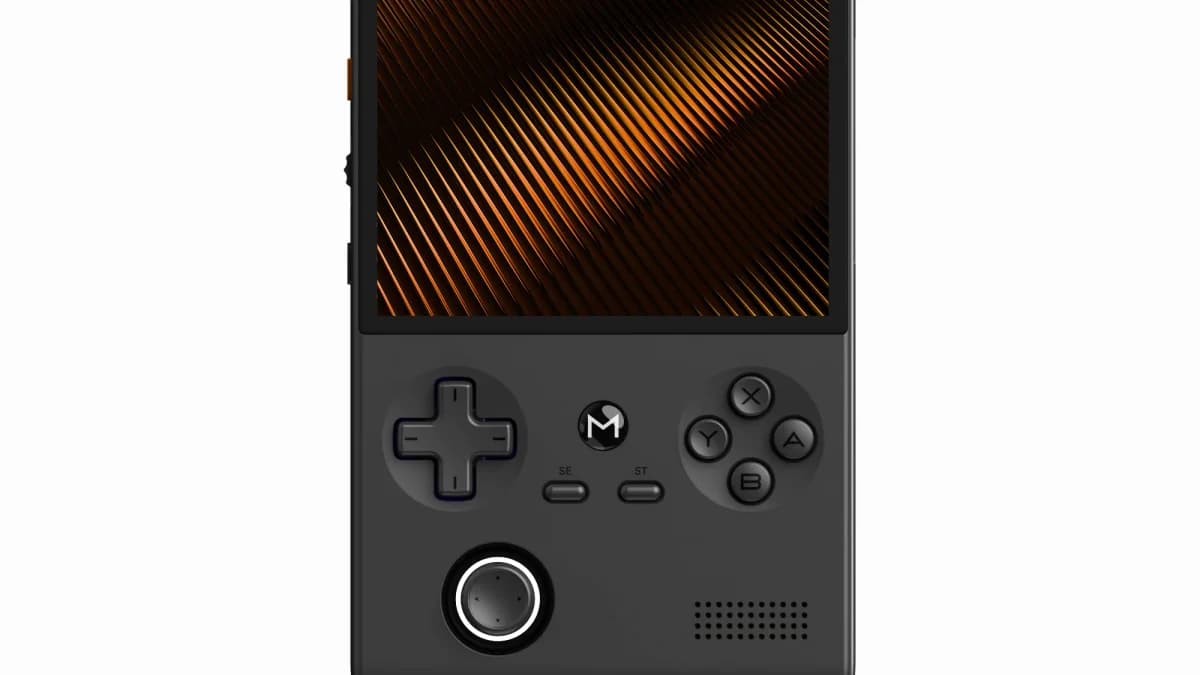
- 4.2" IPS 1280x960 (4:3, 500 nits)
- Qualcomm Snapdragon 662 (Adreno 610)
- 5,000mAh, 15W charging
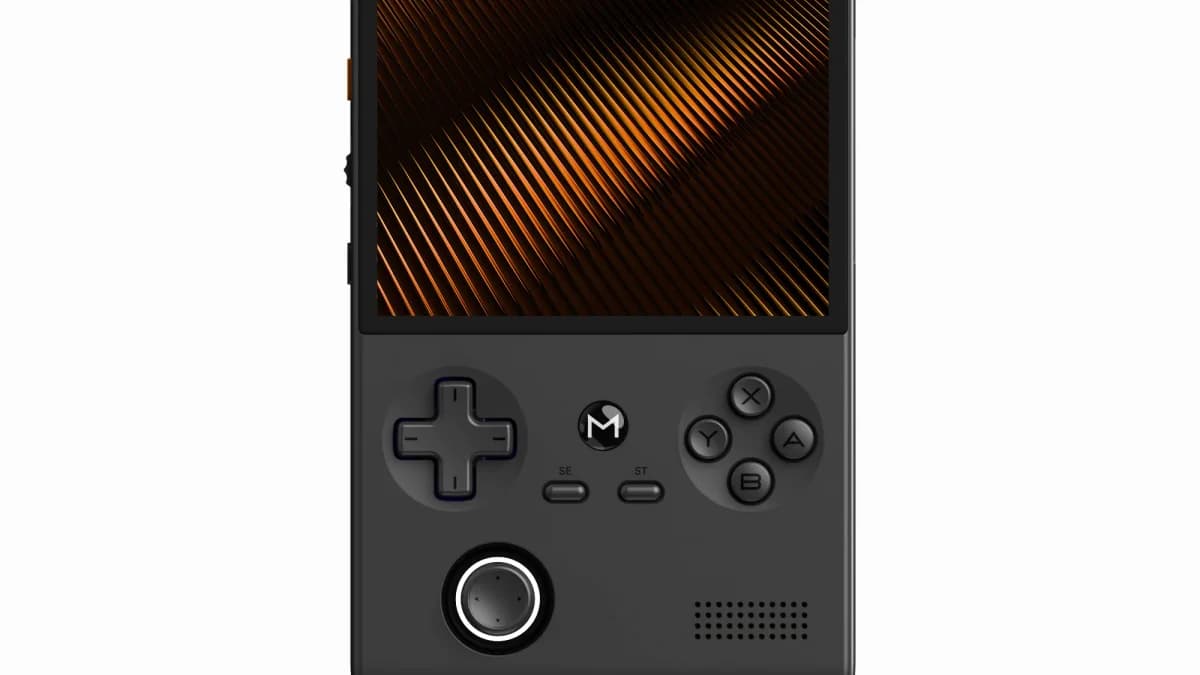
- 4.2" IPS 1280x960 (4:3, 500 nits)
- Qualcomm Snapdragon 865 (Adreno 650)
- 5,000mAh, 18W charging
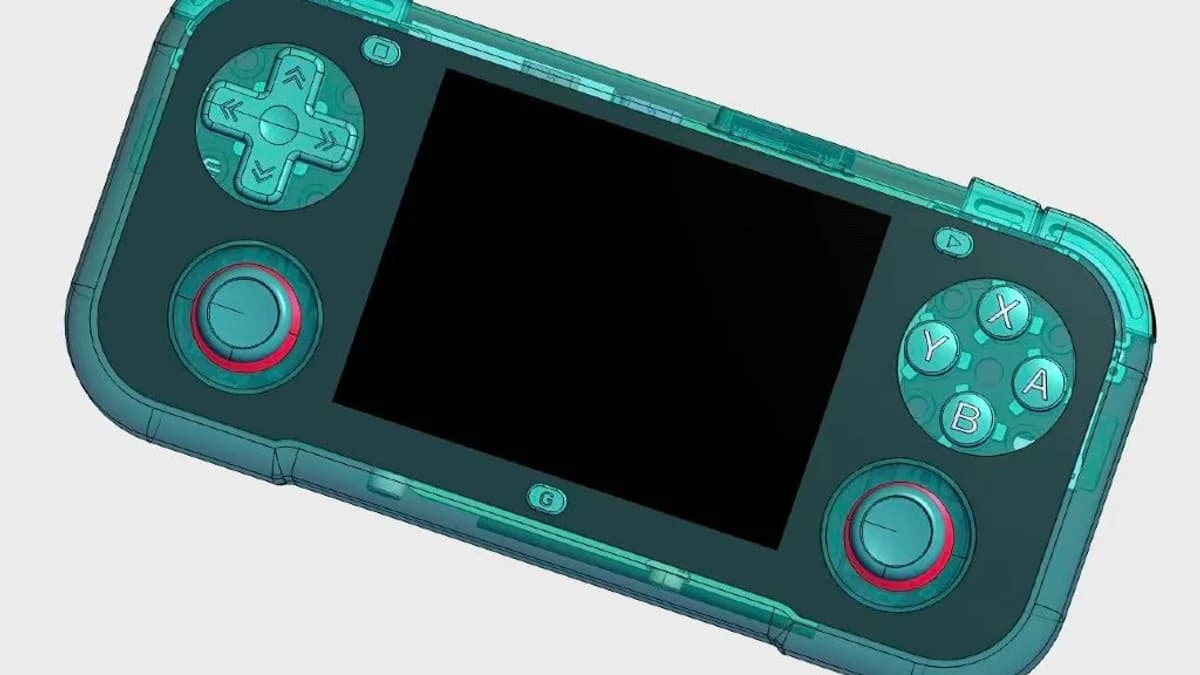
- 3.3" OLED 1024x768
- Rockchip RK3566 (Mini Dream LL); other SoCs TBA
- 3,500mAh (latest redesign; was 3,800mAh)
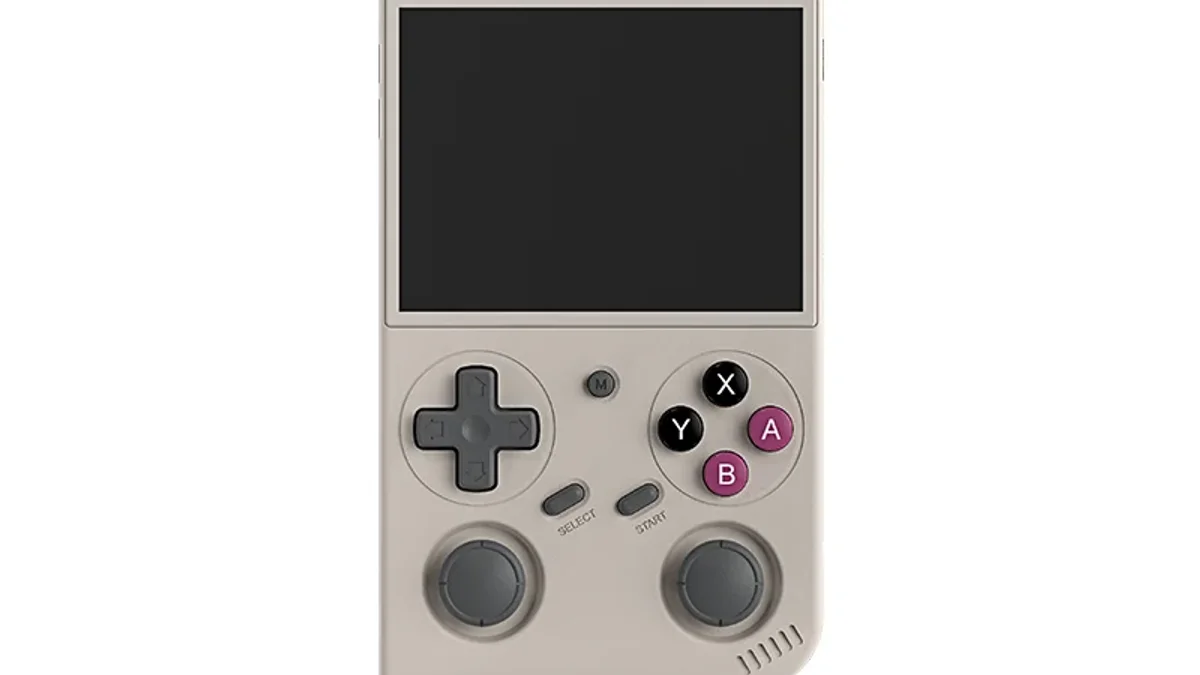
- 3.5" IPS 640x480 4:3 (OCA laminated)
- Rockchip RK3326 quad-core 1.5 GHz (Mali-G31 MP2)
- 3,200mAh (up to 7 hours claimed)
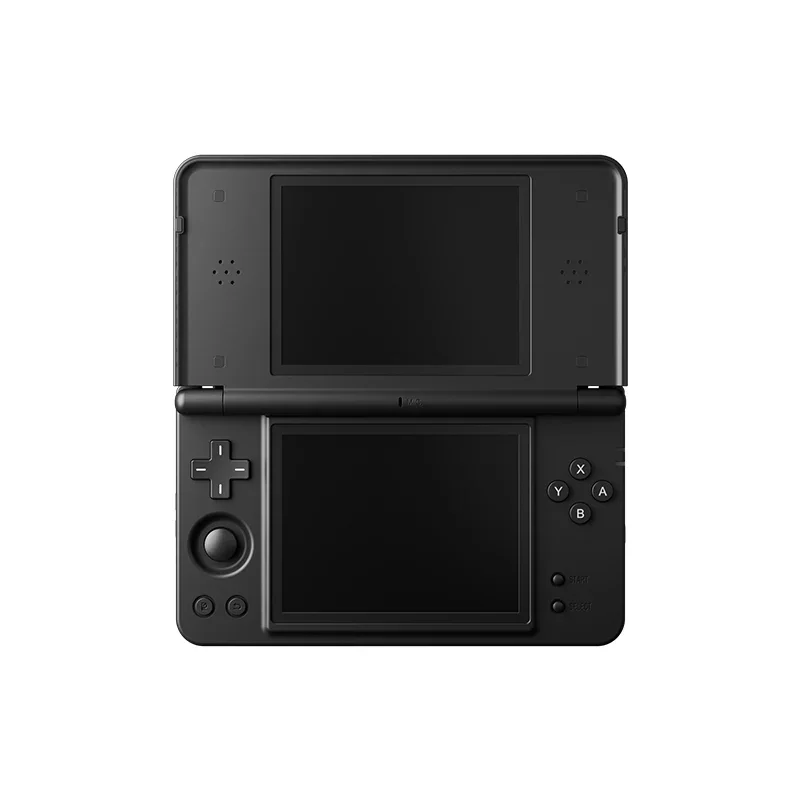
- Dual 4.3" IPS 1024x768, OCA laminated (lower screen touch + stylus)
- Rockchip RK3568 quad Cortex-A55 @ 2.0GHz (Mali-G52 2EE)
- 4,000mAh (~6 hours claimed), 5V/1.5A
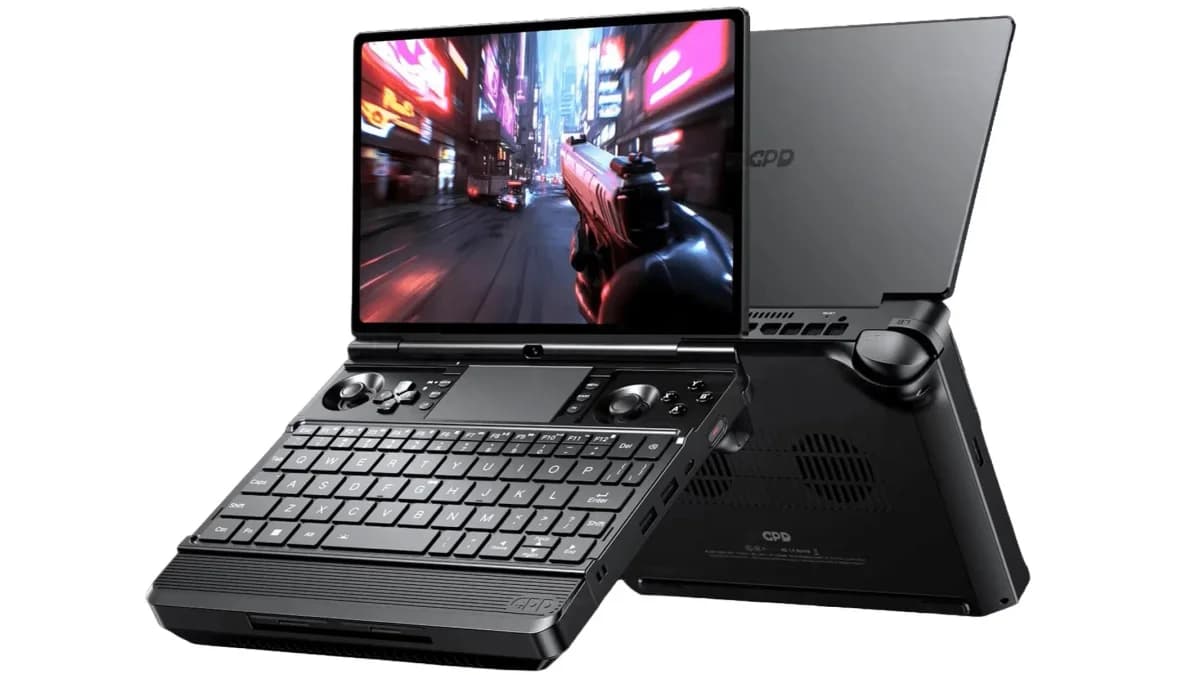
- 9.06" AMOLED 2400x1504 165Hz (650 nits SDR / 1050 nits peak)
- AMD Ryzen AI Max+ 388 or 395 (Radeon 8060S, 45-110W)
- 97Wh removable module, 180W DC / 100W USB-PD
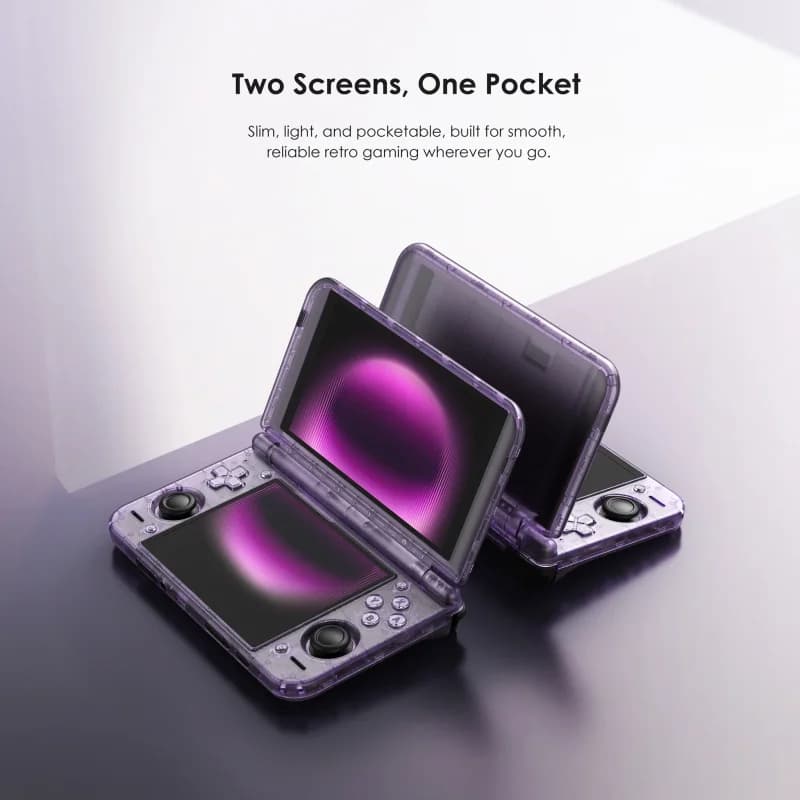
- 5.5" AMOLED 1920x1080 120Hz (16:9) + 4.5" AMOLED 1280x960 120Hz (4:3)
- Qualcomm Dragonwing Q-7790 (1x A720 @ 2.6GHz + 4x A720 @ 2.4GHz + 3x A520 @ 1.8GHz, Adreno 722 @ 1.15GHz)
- 6,000mAh, 27W charging
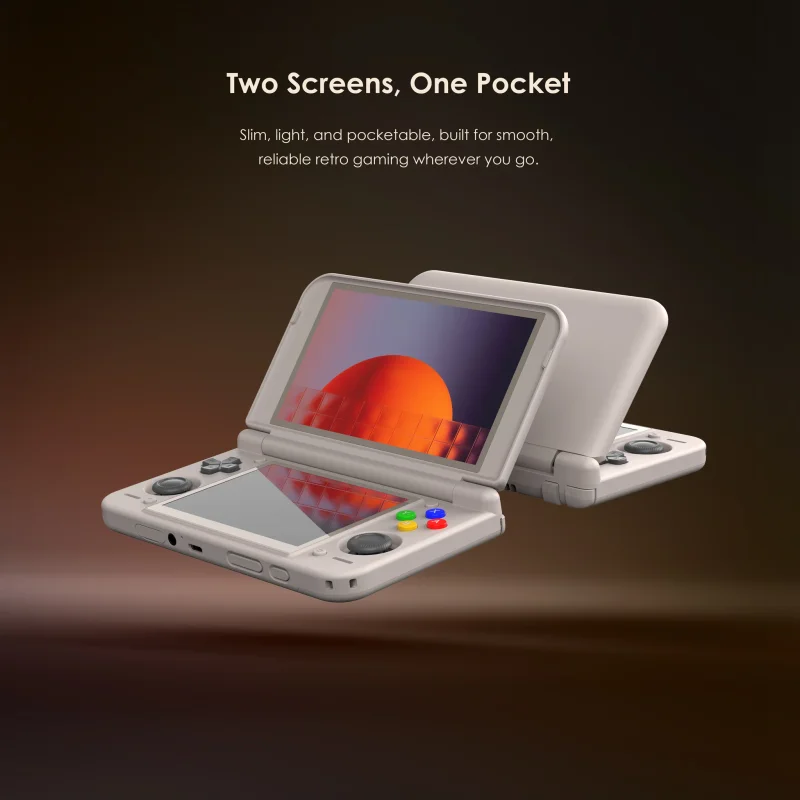
- 5.5" TFT 1920x1080 60Hz (16:9) + 4.2" TFT 1280x960 60Hz (4:3)
- Qualcomm Dragonwing QCS6125 (4x A73 @ 2.0GHz + 4x A53 @ 1.8GHz, Adreno 610 @ 950MHz)
- 6,000mAh, 18W charging
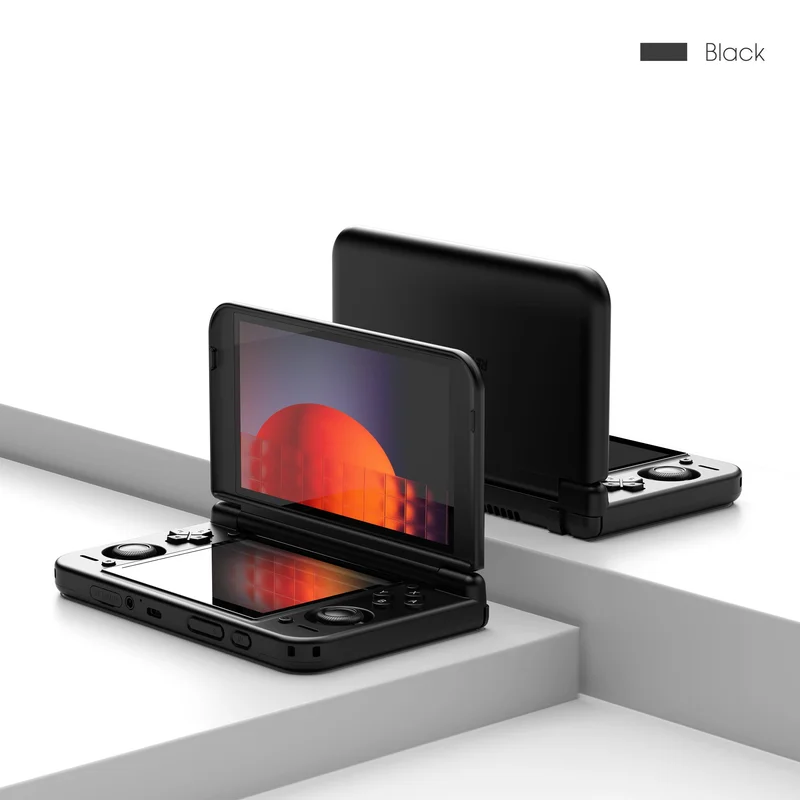
- 5.5" TFT 1920x1080 60Hz (16:9) + 4.2" TFT 1280x960 60Hz (4:3)
- Qualcomm Dragonwing Q-7790 (1x A720 @ 2.6GHz + 4x A720 @ 2.4GHz + 3x A520 @ 1.8GHz, Adreno 722 @ 1.15GHz)
- 6,000mAh, 27W charging
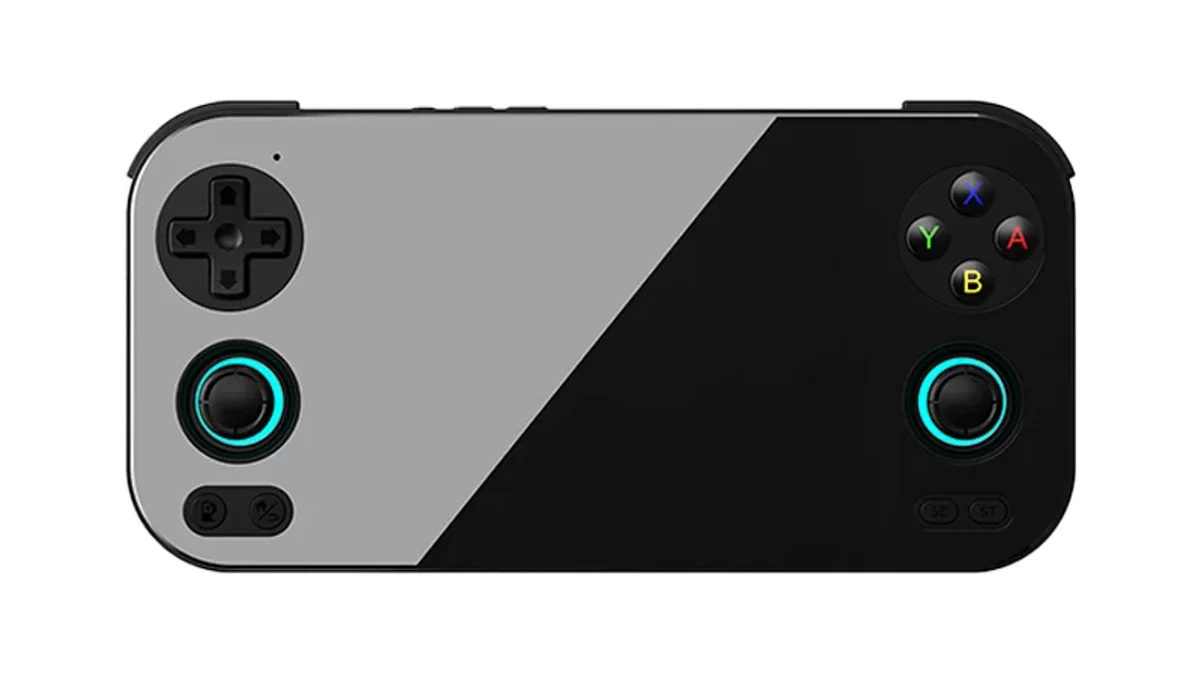
- 4.7" LTPS In-Cell, 1280x960, up to 120Hz, multi-touch
- Unisoc T820 (Mali-G57)
- 5,000mAh; 5V/2A charging
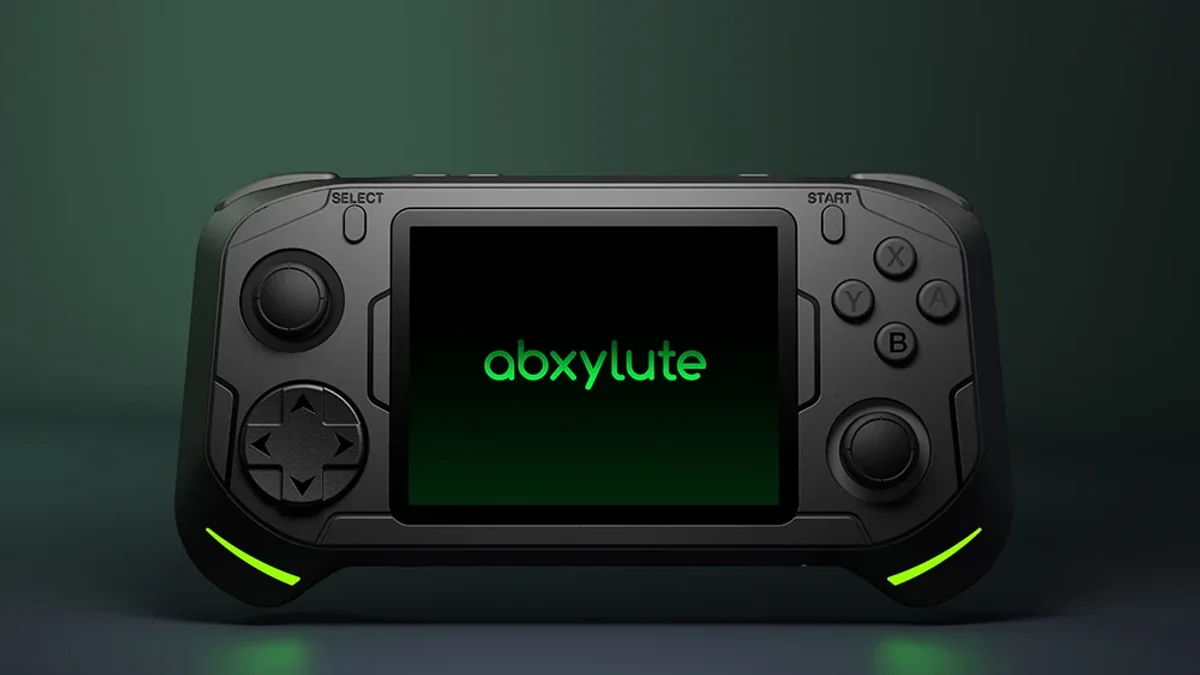
- 3.5" IPS, 640x480, OCA laminated
- Rockchip RK3566, quad Cortex-A55 up to 1.8GHz (Mali-G52 MP2)
- 3,500mAh
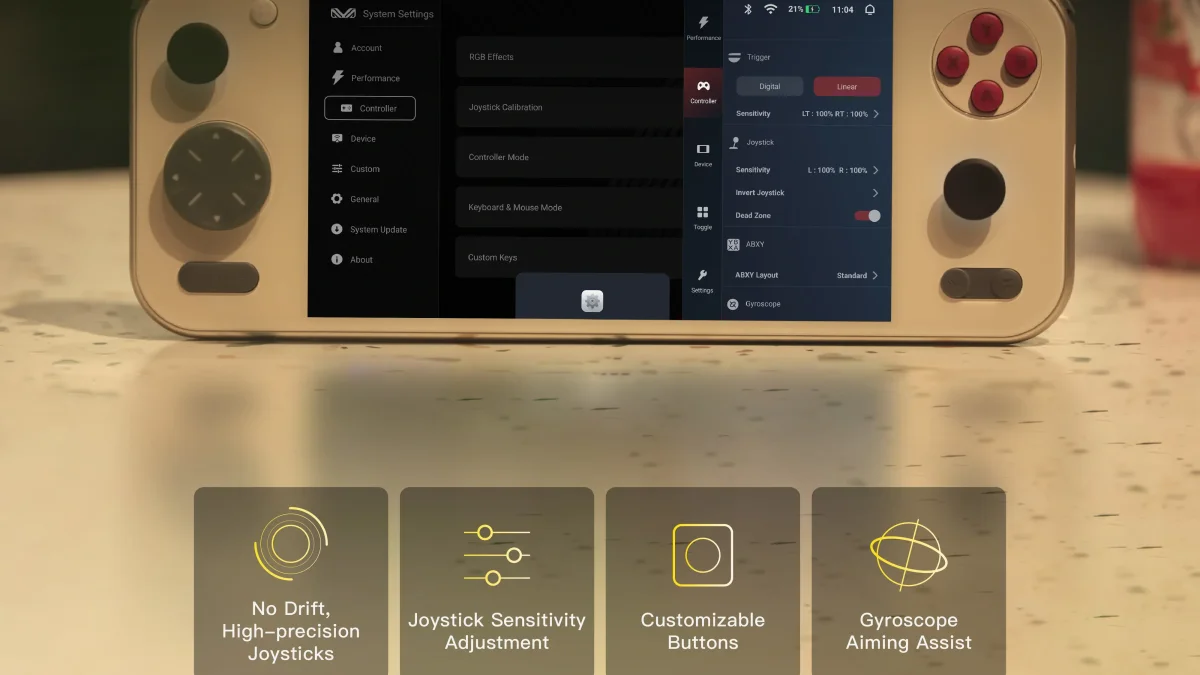
- 6.3" IPS 2560x1440, 466 PPI, 600 nits
- Qualcomm Snapdragon G3 Gen 3 (Kryo 1+5+2, prime @ 3.3GHz, Adreno A33 @ 1.05GHz, 20W TDP, 4nm)
- S2: 8,000mAh, 40W PD; S2 Pro: 10,000mAh, 60W PD
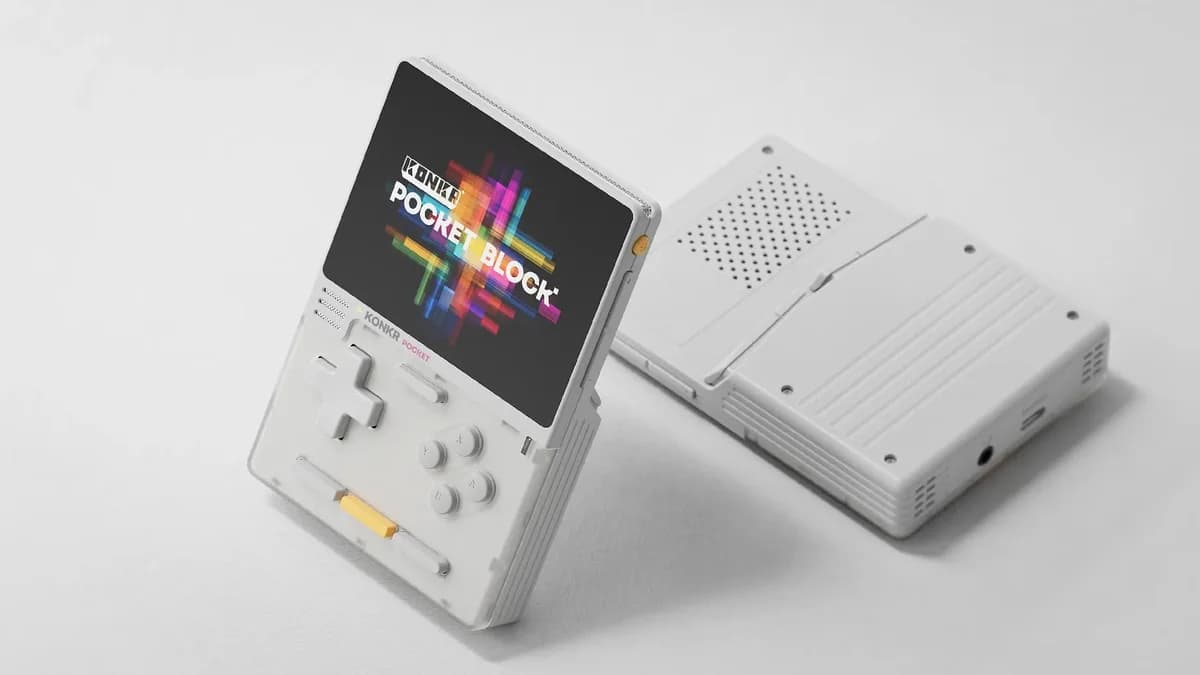
- 3.33" LCD 960x720 4:3 (~360 PPI)
- MediaTek Helio G85 (Mali-G52 MC2)
- 3,500mAh, USB-C PD
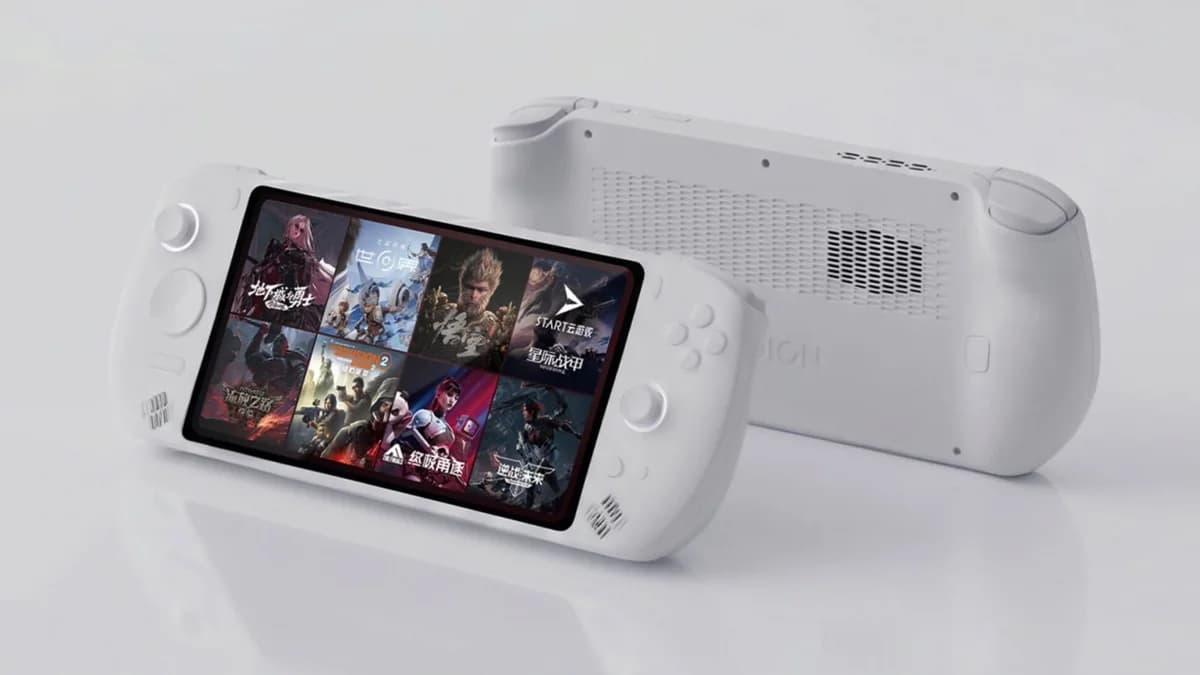
- 7.82" IPS LCD 1920x1080 120Hz, 500 nits
- MediaTek Dimensity 7400 (4nm octa-core)
- 8,000mAh (up to 9 hours claimed streaming), USB-C PD
Comparing handhelds — what to know
What should I compare when choosing between two handhelds?
Prioritize: (1) processor and RAM — these drive emulation ceiling and Android performance; (2) display — AMOLED vs LCD, refresh rate, resolution; (3) battery life in your real workload; (4) operating system — Android vs Windows vs custom Linux; (5) ergonomics and weight; (6) storage expandability. Price alone is misleading — a $220 Retroid Pocket 5 beats a $450 Windows handheld for PS2 emulation.
Which is better: a Windows handheld or an Android handheld?
Windows handhelds (Steam Deck, ROG Ally, Legion Go) are better for PC games, Game Pass, and maximum performance. Android handhelds (Retroid Pocket 5, AYN Odin 2) are better for emulation, battery life, price, and weight. Most users who prioritize retro and console emulation up to Switch are better served by Android; users with Steam libraries should buy Windows or Steam Deck.
How often do handheld specs and prices change?
The handheld market ships new devices roughly every 2-3 months. Major refreshes (new chipsets, display upgrades) happen annually. Street prices can drop 20-30% within 6 months of launch for Android handhelds, while Steam Deck and ROG Ally prices stay more stable. We update our catalog MSRP and lastUpdated fields when official prices change.
Can I trust benchmarks from handheld comparison sites?
Benchmark numbers vary widely based on firmware, emulator version, per-game settings, and thermal throttling. Our performance scores are aggregated from multiple sources and real-world testing, focused on playable frame rates rather than synthetic benchmarks. Always check recent firmware patch notes before buying — a device that struggled at launch may run much better six months later.