
Powkiddy RGB10 Max 3 vs TrimUI Brick
The Powkiddy RGB10 Max 3 (~$70-90) and TrimUI Brick (~$55-70) go head-to-head in this Linux handheld comparison. TrimUI Brick averages higher across our benchmarks, while TrimUI Brick wins on price.
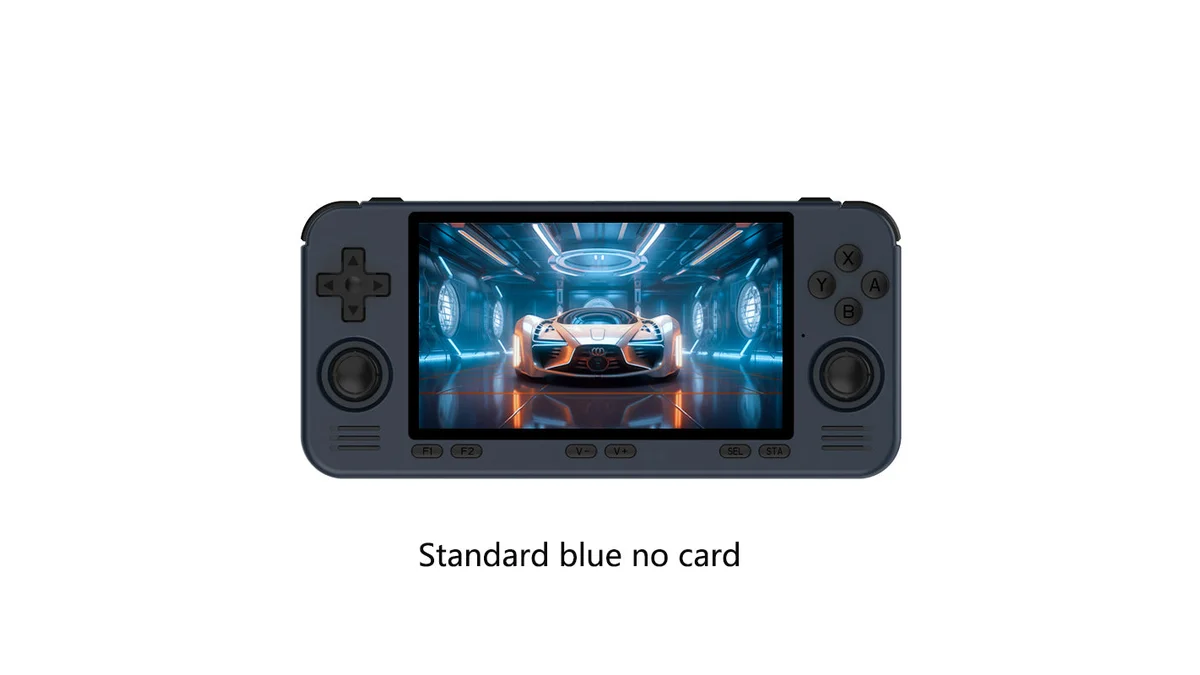
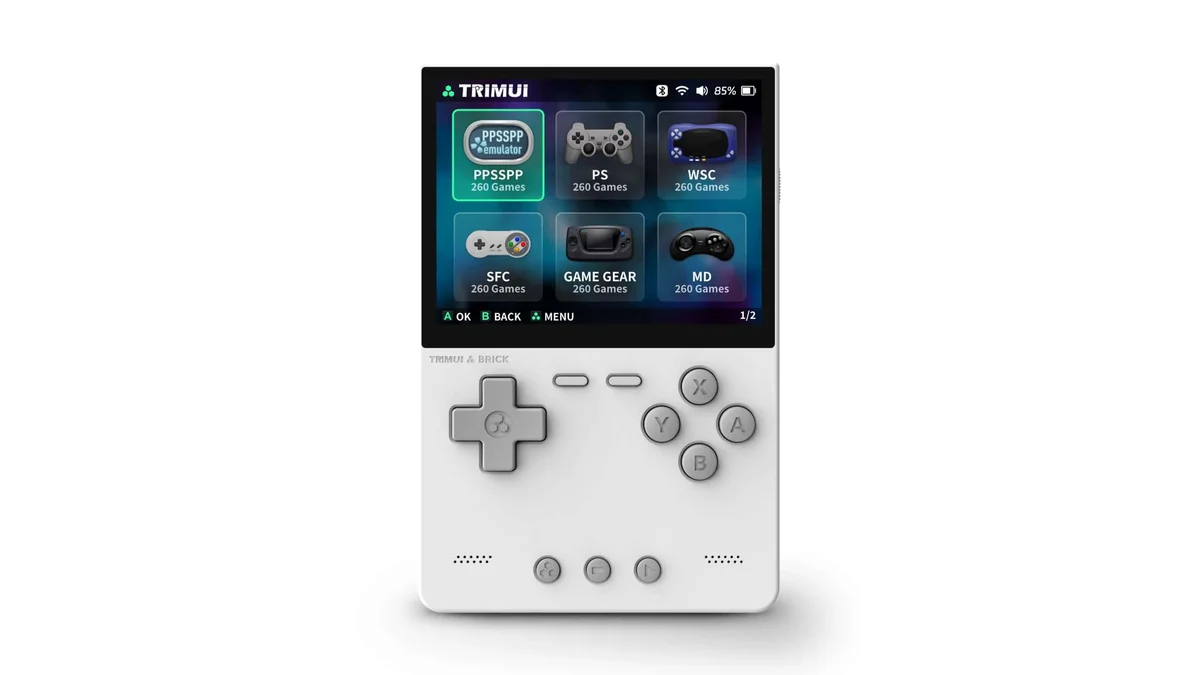
Key Differences
What sets these handhelds apart
- •TrimUI Brick costs $20 less (~$70-90 vs ~$55-70) — roughly 25% cheaper than the Powkiddy RGB10 Max 3.
- •Processor: Powkiddy RGB10 Max 3 runs a Rockchip RK3566 vs Allwinner A133P in the TrimUI Brick.
- •Battery: 4,000mAh vs 3,000mAh — Powkiddy RGB10 Max 3 lasts longer between charges.
- •Display: 5" IPS 1280x720 16:9 vs 3.2" IPS 1024x768 4:3 (405 PPI).
- •Weight: ~342g vs ~159g — TrimUI Brick is more pocketable.
Specs Comparison
Side-by-side technical details
Performance Comparison
How they stack up in real-world use
Powkiddy RGB10 Max 3 is best for
- Budget widescreen emulation
- N64/Dreamcast/PSP gaming
- PortMaster PC game ports
TrimUI Brick is best for
- Premium feel at budget price
- Best-in-class compact display
- PS1 and below retro gaming
Powkiddy RGB10 Max 3 watch outs
- 16:9 causes letterboxing on retro games
- Plastic build quality
- Stock OS requires replacement
TrimUI Brick watch outs
- Stock firmware needs CFW replacement
- Smaller screen than alternatives
- Shoulder buttons need experimentation
The Verdict
TrimUI Brick is the stronger buy here — it outperforms the Powkiddy RGB10 Max 3 without a meaningful price premium.
Powkiddy RGB10 Max 3 vs TrimUI Brick FAQ
Which is better, the Powkiddy RGB10 Max 3 or the TrimUI Brick?
TrimUI Brick is the stronger buy here — it outperforms the Powkiddy RGB10 Max 3 without a meaningful price premium.
What is the price difference between the Powkiddy RGB10 Max 3 and the TrimUI Brick?
The TrimUI Brick costs $60 while the Powkiddy RGB10 Max 3 is $80 — a $20 difference. TrimUI Brick is the value pick; Powkiddy RGB10 Max 3 justifies the premium with 5" 720p display.
Which has better performance, the Powkiddy RGB10 Max 3 or TrimUI Brick?
The TrimUI Brick scores higher across aggregated performance metrics, powered by a Allwinner A133P chip with 1GB LPDDR3 RAM. The Powkiddy RGB10 Max 3 uses a Rockchip RK3566 and still handles most emulation workloads competently.
How does battery life compare between the Powkiddy RGB10 Max 3 and TrimUI Brick?
The Powkiddy RGB10 Max 3 ships with a 4,000mAh battery. The TrimUI Brick has a 3,000mAh. Real-world runtime depends on workload: retro emulation typically gets double the runtime of native Android or PS2 emulation.
Which is more portable, the Powkiddy RGB10 Max 3 or TrimUI Brick?
The Powkiddy RGB10 Max 3 weighs ~342g, while the TrimUI Brick weighs ~159g. Lighter devices are easier for pocket carry and long sessions but often tradeoff battery capacity or grip comfort.
Should I buy the Powkiddy RGB10 Max 3 or wait for the TrimUI Brick?
Both are currently in market. If your use case fits budget widescreen emulation, the Powkiddy RGB10 Max 3 delivers today. If you prioritize premium feel at budget price, the TrimUI Brick is the stronger long-term pick. Neither is about to be replaced — both vendors have 12+ month refresh cycles.
More comparisons
The Anbernic RG35XX Plus (~$85) and Powkiddy RGB10 Max 3 (~$70-90) go head-to-head in this Linux han...
The Anbernic RG35XX Plus (~$85) and TrimUI Brick (~$55-70) go head-to-head in this Linux handheld co...
The Miyoo Mini Plus (~$65) and Powkiddy RGB10 Max 3 (~$70-90) go head-to-head in this Linux handheld...