
Miyoo Mini Plus vs TrimUI Brick Pro
The Miyoo Mini Plus (~$65) and TrimUI Brick Pro ($100) are closely matched Linux handhelds. The right pick comes down to display, battery, and form factor — not raw performance.
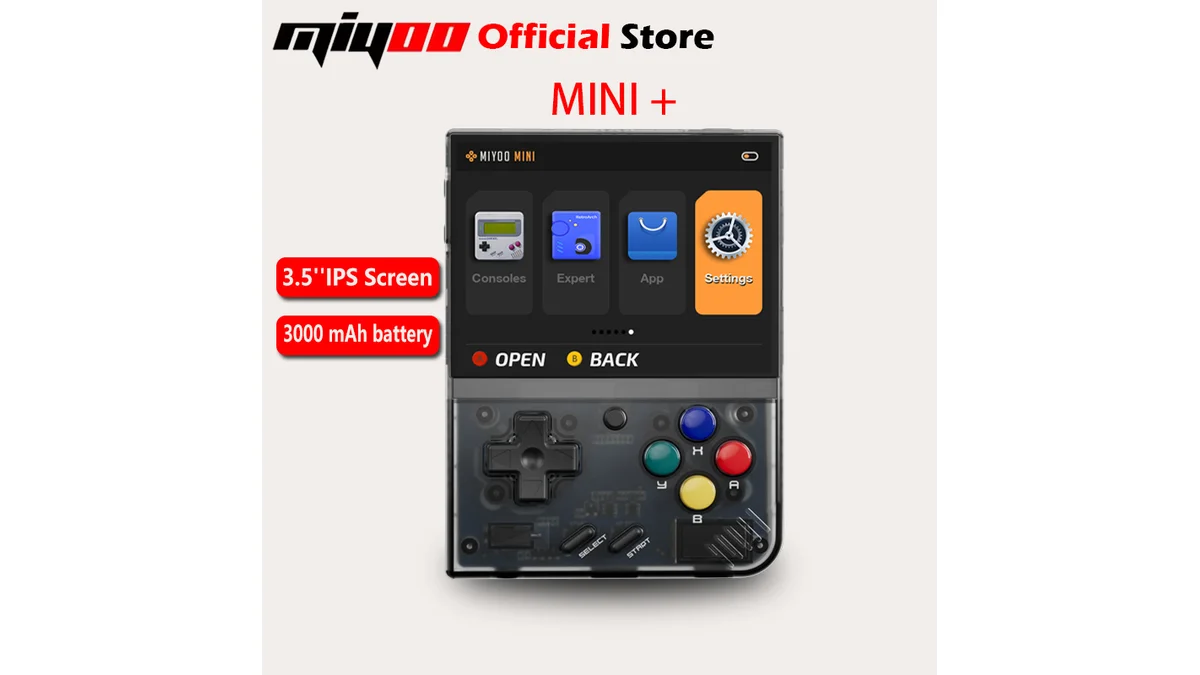
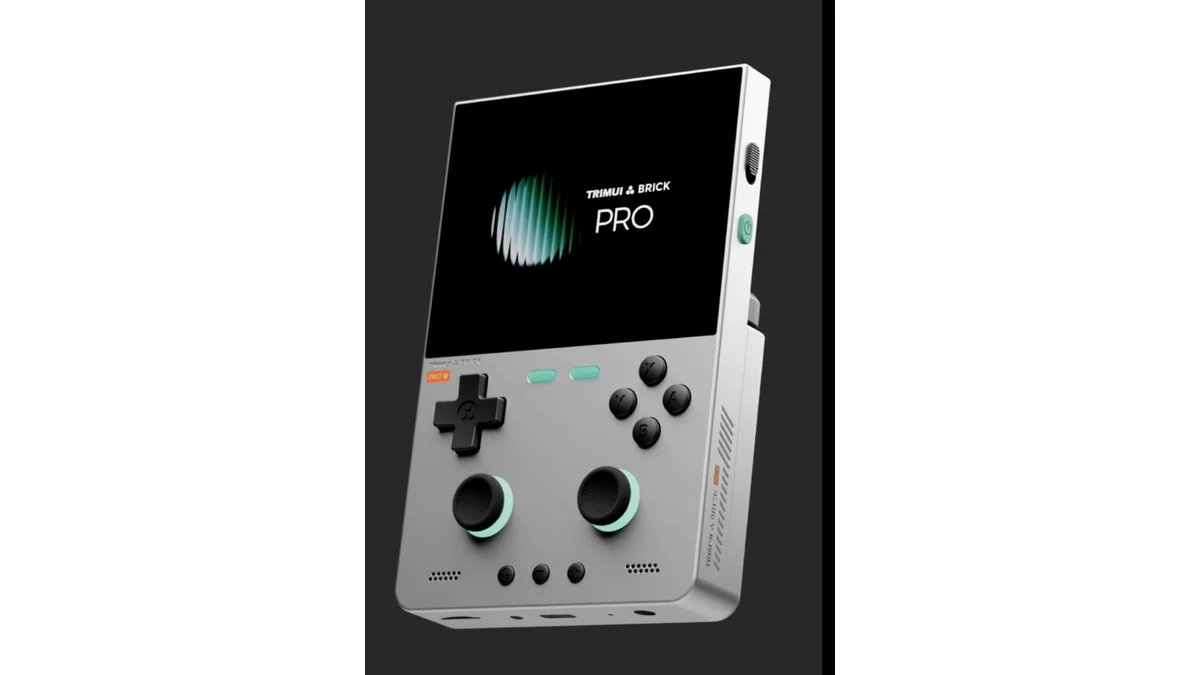
- Miyoo Mini Plus costs $35 less ($100 vs ~$65) — roughly 35% cheaper than the TrimUI Brick Pro.
- Processor: Miyoo Mini Plus runs a Cortex-A7 Quad-core vs Allwinner A133P 1.8GHz (PowerVR GE8300) in the TrimUI Brick Pro.
- RAM: 128MB vs 1GB LPDDR3 — Miyoo Mini Plus has the memory advantage for multitasking and heavier emulators.
- Battery: 3,000mAh vs 5,000mAh (~5-10 hours claimed) — TrimUI Brick Pro lasts longer between charges.
- Display: 3.5" IPS 640x480 vs 3.95" IPS 1024x768 4:3 60Hz (324 PPI).
- Weight: ~160g vs 236g — Miyoo Mini Plus is more pocketable.
Specs comparison
Side-by-side technical details. The glowing value wins its row.
| Spec | Miyoo Mini Plus | TrimUI Brick Pro |
|---|---|---|
| Price | ~$65(best) | $100 |
| Display | 3.5" IPS 640x480 | 3.95" IPS 1024x768 4:3 60Hz (324 PPI) |
| Processor | Cortex-A7 Quad-core | Allwinner A133P 1.8GHz (PowerVR GE8300) |
| RAM | 128MB | 1GB LPDDR3(best) |
| Storage | 32GB + microSD(best) | 8GB eMMC + microSD (up to 1TB) |
| Battery | 3,000mAh | 5,000mAh (~5-10 hours claimed)(best) |
| Weight | ~160g(best) | 236g |
| OS | Linux / OnionOS | Linux (TrimUI OSD) |
PS1
TrimUI Brick Pro winsPortability
Miyoo Mini Plus winsMiyoo Mini Plus is best for
- Ultimate pocketable gaming
- Nostalgia for small handhelds
- Custom firmware experimentation
TrimUI Brick Pro is best for
- Vertical 4:3 with analog sticks under $120
- PS1 and below in a bigger Brick form
- Linux CFW fans upgrading from original Brick
Miyoo Mini Plus watch outs
- Shoulder buttons are small
- No analog sticks
- Limited to 8-bit and 16-bit era primarily
TrimUI Brick Pro watch outs
- Same chip class as original Brick, not a big leap
- Plastic body vs metal Hammer Pro U
- Stock UI usually replaced with CrossMix / CFW
Pick Miyoo Mini Plus if you want peak performance; pick Miyoo Mini Plus if price matters more. Both are solid Linux handhelds.
Still unsure?
Let our picker quiz find your perfect handheld in 60 seconds.
Miyoo Mini Plus vs TrimUI Brick Pro FAQ
Which is better, the Miyoo Mini Plus or the TrimUI Brick Pro?
Pick Miyoo Mini Plus if you want peak performance; pick Miyoo Mini Plus if price matters more. Both are solid Linux handhelds.
What is the price difference between the Miyoo Mini Plus and the TrimUI Brick Pro?
The Miyoo Mini Plus costs $65 while the TrimUI Brick Pro is $100 — a $35 difference. Miyoo Mini Plus is the value pick; TrimUI Brick Pro justifies the premium with 3.95" 1024x768 ips 4:3 (324 ppi).
Which has better performance, the Miyoo Mini Plus or TrimUI Brick Pro?
The Miyoo Mini Plus scores higher across aggregated performance metrics, powered by a Cortex-A7 Quad-core chip with 128MB RAM. The TrimUI Brick Pro uses a Allwinner A133P 1.8GHz (PowerVR GE8300) and still handles most emulation workloads competently.
How does battery life compare between the Miyoo Mini Plus and TrimUI Brick Pro?
The Miyoo Mini Plus ships with a 3,000mAh battery. The TrimUI Brick Pro has a 5,000mAh (~5-10 hours claimed). Real-world runtime depends on workload: retro emulation typically gets double the runtime of native Android or PS2 emulation.
Which is more portable, the Miyoo Mini Plus or TrimUI Brick Pro?
The Miyoo Mini Plus weighs ~160g, while the TrimUI Brick Pro weighs 236g. Lighter devices are easier for pocket carry and long sessions but often tradeoff battery capacity or grip comfort.
Should I buy the Miyoo Mini Plus or wait for the TrimUI Brick Pro?
Both are currently in market. If your use case fits ultimate pocketable gaming, the Miyoo Mini Plus delivers today. If you prioritize vertical 4:3 with analog sticks under $120, the TrimUI Brick Pro is the stronger long-term pick. Neither is about to be replaced — both vendors have 12+ month refresh cycles.