
Miyoo Mini Plus vs TrimUI Brick
The Miyoo Mini Plus (~$65) and TrimUI Brick (~$55-70) are closely matched Linux handhelds. The right pick comes down to display, battery, and form factor — not raw performance.
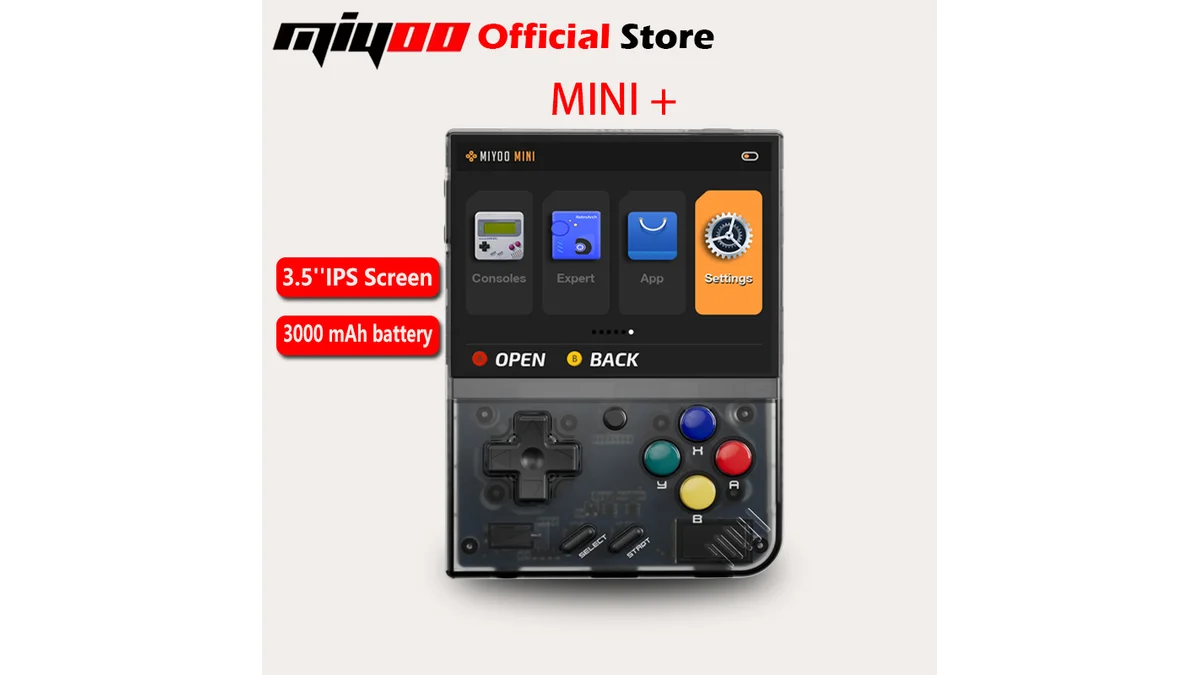
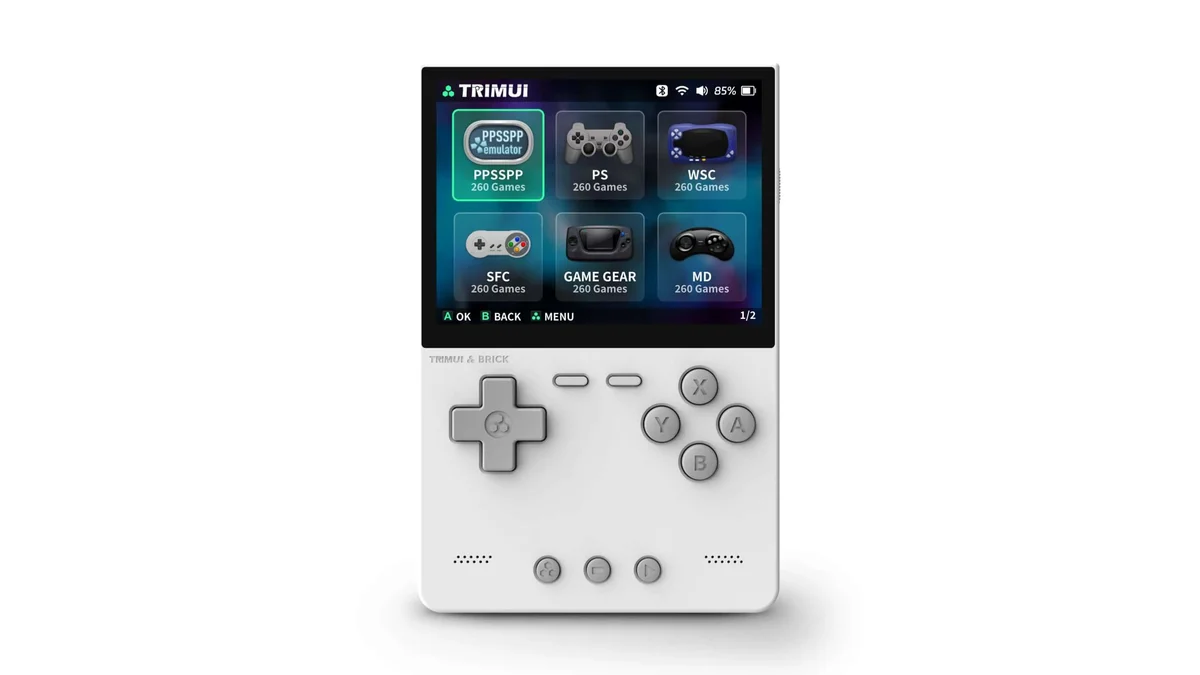
- Miyoo Mini Plus (~$65) and TrimUI Brick (~$55-70) sit at nearly the same price.
- Processor: Miyoo Mini Plus runs a Cortex-A7 Quad-core vs Allwinner A133P in the TrimUI Brick.
- RAM: 128MB vs 1GB LPDDR3 — Miyoo Mini Plus has the memory advantage for multitasking and heavier emulators.
- Display: 3.5" IPS 640x480 vs 3.2" IPS 1024x768 4:3 (405 PPI).
Specs comparison
Side-by-side technical details. The glowing value wins its row.
| Spec | Miyoo Mini Plus | TrimUI Brick |
|---|---|---|
| Price | ~$65 | ~$55-70(best) |
| Display | 3.5" IPS 640x480 | 3.2" IPS 1024x768 4:3 (405 PPI) |
| Processor | Cortex-A7 Quad-core | Allwinner A133P |
| RAM | 128MB | 1GB LPDDR3(best) |
| Storage | 32GB + microSD(best) | 8GB + microSD |
| Battery capacity | 3,000mAh | 3,000mAh |
| Weight | ~160g | ~159g(best) |
| OS | Linux / OnionOS | Linux / MinUI |
PS1
TrimUI Brick winsPortability
Miyoo Mini Plus winsMiyoo Mini Plus is best for
- Ultimate pocketable gaming
- Nostalgia for small handhelds
- Custom firmware experimentation
TrimUI Brick is best for
- Premium feel at budget price
- Best-in-class compact display
- PS1 and below retro gaming
Miyoo Mini Plus watch outs
- Shoulder buttons are small
- No analog sticks
- Limited to 8-bit and 16-bit era primarily
TrimUI Brick watch outs
- Stock firmware needs CFW replacement
- Smaller screen than alternatives
- Shoulder buttons need experimentation
Compare the specs and tradeoffs for your target games. TrimUI Brick has the higher or equal average catalog rating; TrimUI Brick has the lower or equal listed starting price. Catalog ratings are not measured game benchmarks.
Still unsure?
Let our picker quiz find your perfect handheld in 60 seconds.
Miyoo Mini Plus vs TrimUI Brick FAQ
Which is better, the Miyoo Mini Plus or the TrimUI Brick?
Compare the specs and tradeoffs for your target games. TrimUI Brick has the higher or equal average catalog rating; TrimUI Brick has the lower or equal listed starting price. Catalog ratings are not measured game benchmarks.
What is the price difference between the Miyoo Mini Plus and the TrimUI Brick?
The catalog lists TrimUI Brick from $60 and Miyoo Mini Plus from $65, a $5 starting-price difference. Configuration, shipping, tax, and availability can change the final cost. A higher price does not by itself establish better performance.
Which has better performance, the Miyoo Mini Plus or TrimUI Brick?
The Miyoo Mini Plus uses Cortex-A7 Quad-core with 128MB RAM; the TrimUI Brick uses Allwinner A133P with 1GB LPDDR3 RAM. Catalog ratings are not measured game benchmarks. Check testing for your games, emulator version, resolution, and power settings before choosing.
How does battery life compare between the Miyoo Mini Plus and TrimUI Brick?
The Miyoo Mini Plus ships with a 3,000mAh battery. The TrimUI Brick has a 3,000mAh. Capacity alone does not establish battery life. Compare runtime tests using the same game, brightness, and power settings; manufacturer claims may use different workloads.
Which is more portable, the Miyoo Mini Plus or TrimUI Brick?
The Miyoo Mini Plus weighs ~160g, while the TrimUI Brick weighs ~159g. Lighter devices are easier for pocket carry and long sessions but often tradeoff battery capacity or grip comfort.
Should I buy the Miyoo Mini Plus or wait for the TrimUI Brick?
Check each official store for current stock, preorder status, and shipping estimates. Choose around the games and features you need now. This comparison does not verify delivery dates or predict when either manufacturer will release a replacement.