
Logitech G Cloud vs Retroid Pocket Classic
The Logitech G Cloud (~$299) and Retroid Pocket Classic ($99) are closely matched Android handhelds. The right pick comes down to display, battery, and form factor — not raw performance.
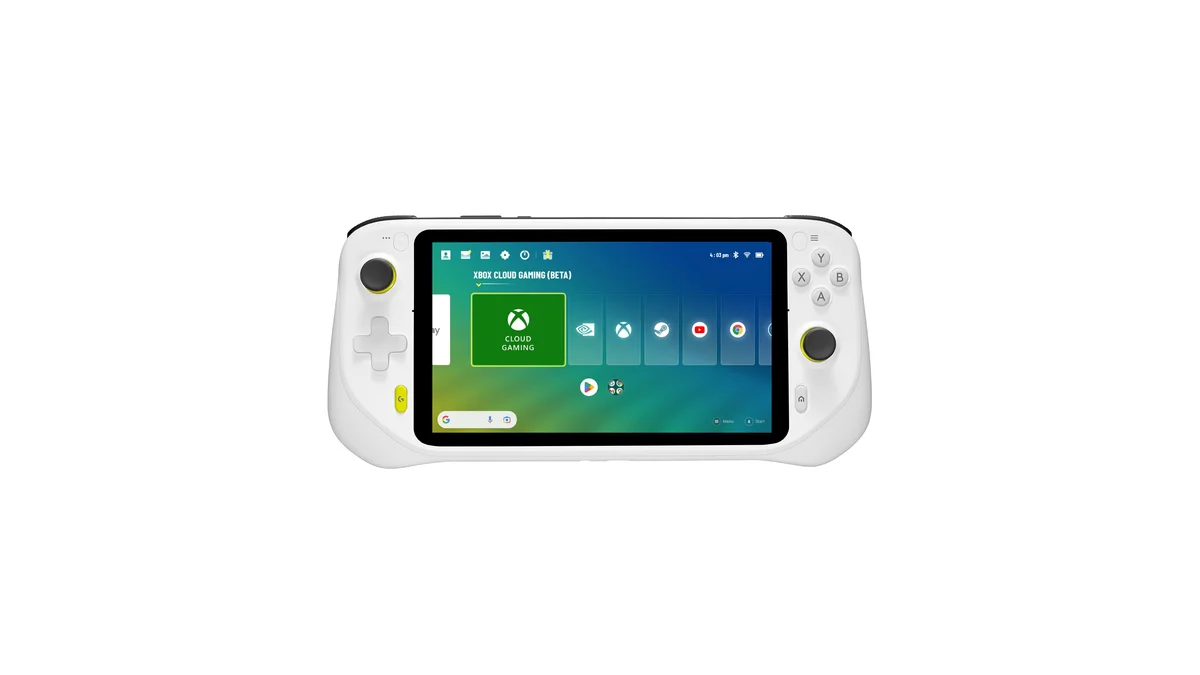
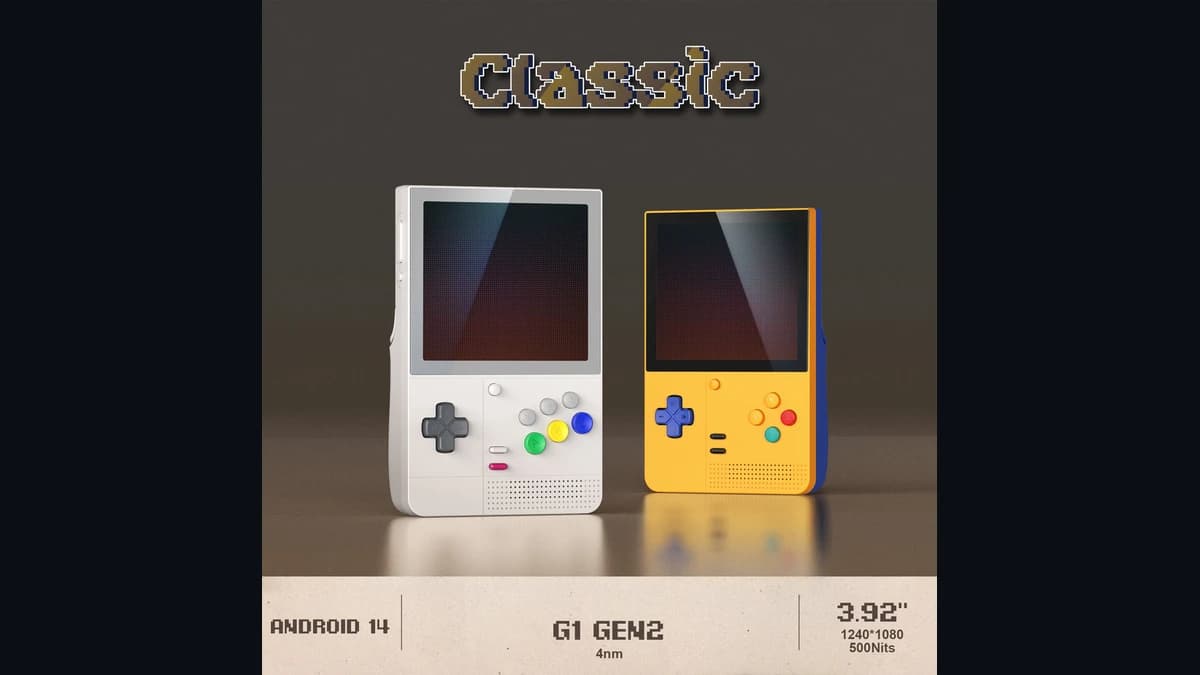
- Retroid Pocket Classic costs $200 less (~$299 vs $99) — roughly 67% cheaper than the Logitech G Cloud.
- Processor: Logitech G Cloud runs a Qualcomm Snapdragon 720G vs Qualcomm Snapdragon G1 Gen 2 (Adreno A12) in the Retroid Pocket Classic.
- Listed battery specifications: ~23Whr (12+ hour streaming) vs 5,000mAh, 27W charging. Capacity alone does not establish runtime; game, settings, and power draw matter.
- Display: Retroid Pocket Classic has an OLED/AMOLED panel (3.92" AMOLED 1240x1080 (~5:4 / 31:27)) vs the Logitech G Cloud's 7" IPS 1920x1080 60Hz — better contrast and black levels.
- Weight: ~463g vs ~223g — Retroid Pocket Classic is more pocketable.
Specs comparison
Side-by-side technical details. The glowing value wins its row.
| Spec | Logitech G Cloud | Retroid Pocket Classic |
|---|---|---|
| Price | ~$299 | $99(best) |
| Display | 7" IPS 1920x1080 60Hz | 3.92" AMOLED 1240x1080 (~5:4 / 31:27)(best) |
| Processor | Qualcomm Snapdragon 720G | Qualcomm Snapdragon G1 Gen 2 (Adreno A12) |
| RAM | 4GB | 4GB / 6GB LPDDR4X |
| Storage | 64GB + microSD | 64GB / 128GB + microSD |
| Battery capacity | ~23Whr (12+ hour streaming) | 5,000mAh, 27W charging |
| Weight | ~463g | ~223g(best) |
| OS | Android 11 | Android 14 |
Portability
Retroid Pocket Classic winsValue
Retroid Pocket Classic winsLogitech G Cloud is best for
- Xbox Cloud Gaming subscribers
- GeForce NOW users
- Those with fast, reliable internet
Retroid Pocket Classic is best for
- Budget vertical Android under $100
- GBA through Dreamcast and light PS2
- Travel pocket carry with modern OLED
Logitech G Cloud watch outs
- Requires fast internet for best experience
- Can't play native AAA games
- Limited to streaming services library
Retroid Pocket Classic watch outs
- 4-6GB RAM limits heavy multitasking
- Weaker than Pocket Mini V2 / Nova for upscaling
- Optional 6-button layout depends on color
- Final $99 markdown on remaining 6GB/128GB stock; no restock after sell-through
Retroid Pocket Classic wins on value. The average catalog ratings are close, and its listed starting price is $200 lower than the Logitech G Cloud. Check performance for your target games before buying.
Winner: Retroid Pocket ClassicStill unsure?
Let our picker quiz find your perfect handheld in 60 seconds.
Logitech G Cloud vs Retroid Pocket Classic FAQ
Which is better, the Logitech G Cloud or the Retroid Pocket Classic?
Retroid Pocket Classic wins on value. The average catalog ratings are close, and its listed starting price is $200 lower than the Logitech G Cloud. Check performance for your target games before buying.
What is the price difference between the Logitech G Cloud and the Retroid Pocket Classic?
The catalog lists Retroid Pocket Classic from $99 and Logitech G Cloud from $299, a $200 starting-price difference. Configuration, shipping, tax, and availability can change the final cost. A higher price does not by itself establish better performance.
Which has better performance, the Logitech G Cloud or Retroid Pocket Classic?
The Logitech G Cloud uses Qualcomm Snapdragon 720G with 4GB RAM; the Retroid Pocket Classic uses Qualcomm Snapdragon G1 Gen 2 (Adreno A12) with 4GB / 6GB LPDDR4X RAM. Catalog ratings are not measured game benchmarks. Check testing for your games, emulator version, resolution, and power settings before choosing.
How does battery life compare between the Logitech G Cloud and Retroid Pocket Classic?
The Logitech G Cloud ships with a ~23Whr (12+ hour streaming) battery. The Retroid Pocket Classic has a 5,000mAh, 27W charging. Capacity alone does not establish battery life. Compare runtime tests using the same game, brightness, and power settings; manufacturer claims may use different workloads.
Which is more portable, the Logitech G Cloud or Retroid Pocket Classic?
The Logitech G Cloud weighs ~463g, while the Retroid Pocket Classic weighs ~223g. Lighter devices are easier for pocket carry and long sessions but often tradeoff battery capacity or grip comfort.
Should I buy the Logitech G Cloud or wait for the Retroid Pocket Classic?
Check each official store for current stock, preorder status, and shipping estimates. Choose around the games and features you need now. This comparison does not verify delivery dates or predict when either manufacturer will release a replacement.