
Lenovo Legion Go 2 vs ROG Xbox Ally (2025)
The Lenovo Legion Go 2 ($1,099+) and ROG Xbox Ally (2025) (~$600) go head-to-head in this Windows handheld comparison. Lenovo Legion Go 2 averages higher across our benchmarks, while ROG Xbox Ally (2025) wins on price.
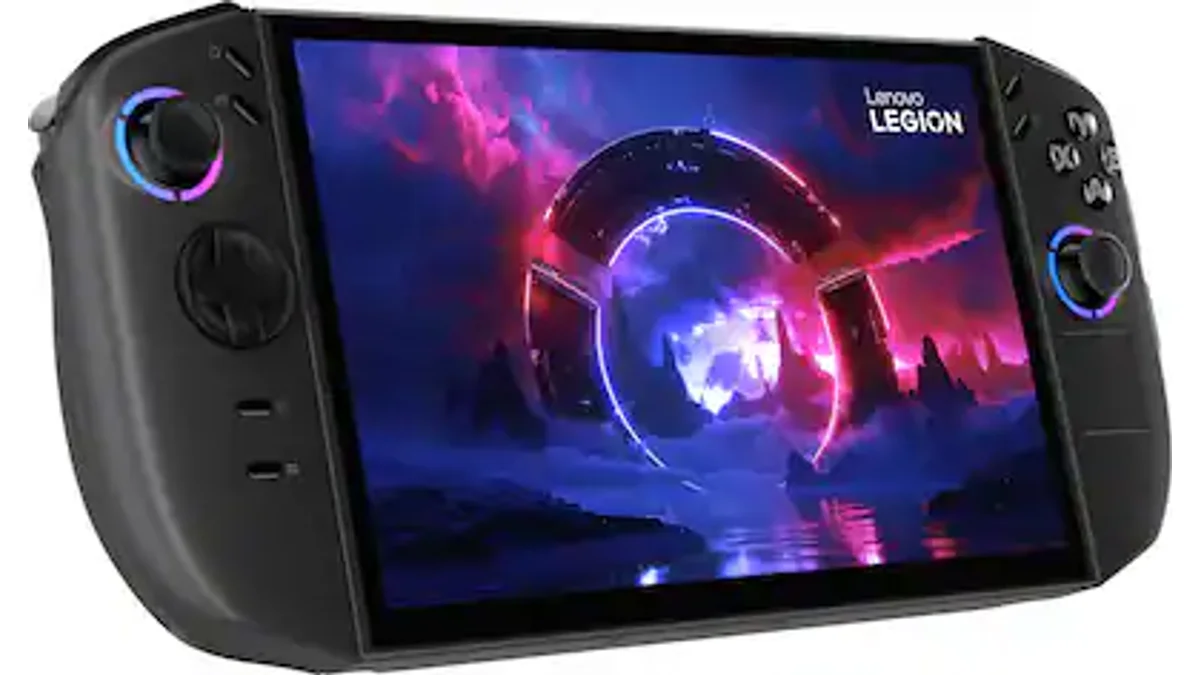
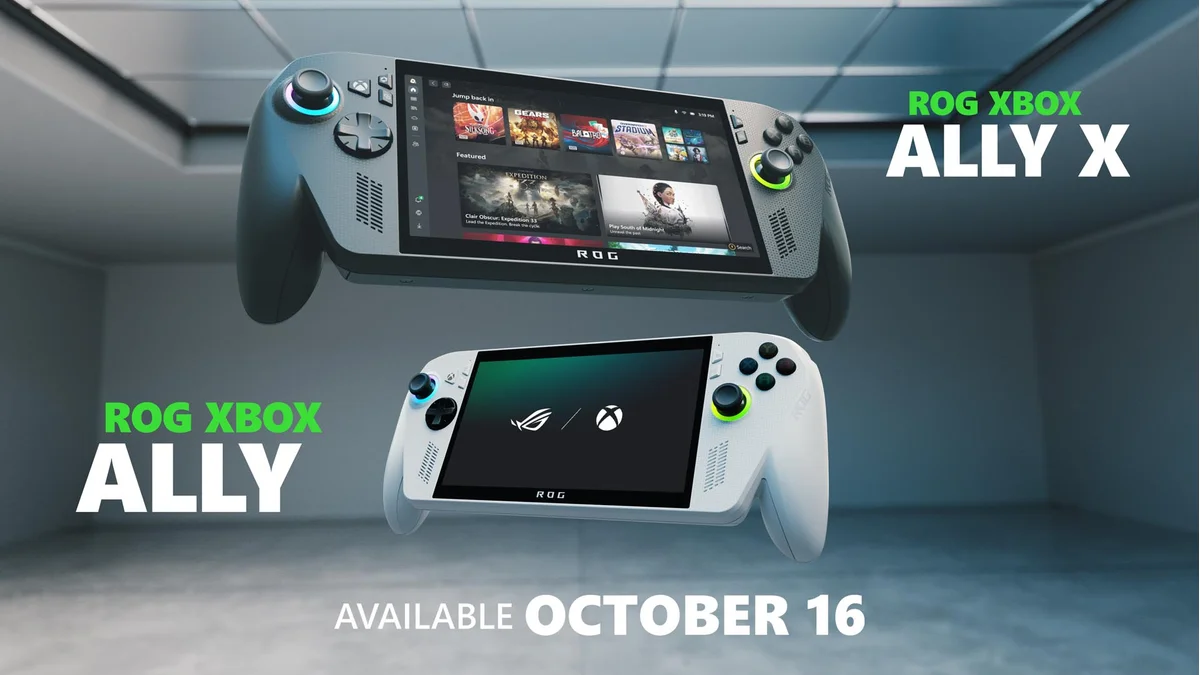
- ROG Xbox Ally (2025) costs $500 less ($1,099+ vs ~$600) — roughly 45% cheaper than the Lenovo Legion Go 2.
- Processor: Lenovo Legion Go 2 runs a AMD Ryzen Z2 / Z2 Extreme vs AMD Ryzen Z2 (4c/8t, 3.8GHz) in the ROG Xbox Ally (2025).
- Battery: 74Wh vs 60Whr — Lenovo Legion Go 2 lasts longer between charges.
- Display: Lenovo Legion Go 2 has an OLED/AMOLED panel (8.8" OLED 1920x1200 144Hz VRR (PureSight)) vs the ROG Xbox Ally (2025)'s 7" IPS 1920x1080 120Hz — better contrast and black levels.
- Weight: ~850g with controllers (approx) vs ~608g — ROG Xbox Ally (2025) is more pocketable.
Specs comparison
Side-by-side technical details. The glowing value wins its row.
| Spec | Lenovo Legion Go 2 | ROG Xbox Ally (2025) |
|---|---|---|
| Price | $1,099+ | ~$600(best) |
| Display | 8.8" OLED 1920x1200 144Hz VRR (PureSight)(best) | 7" IPS 1920x1080 120Hz |
| Processor | AMD Ryzen Z2 / Z2 Extreme | AMD Ryzen Z2 (4c/8t, 3.8GHz) |
| RAM | 16GB / 32GB LPDDR5X | 16GB LPDDR5-6400 |
| Storage | 1TB-2TB PCIe NVMe(best) | 512GB NVMe |
| Battery | 74Wh(best) | 60Whr |
| Weight | ~850g with controllers (approx) | ~608g(best) |
| OS | Windows 11 (SteamOS SKU region-dependent) | Windows 11 |
PC Gaming
Lenovo Legion Go 2 winsAAA Games
Lenovo Legion Go 2 winsPortability
ROG Xbox Ally (2025) winsBattery
Lenovo Legion Go 2 winsLenovo Legion Go 2 is best for
- Premium OLED Windows handheld gaming
- Detachable controller productivity modes
- Buyers upgrading from original Legion Go
ROG Xbox Ally (2025) is best for
- Windows gaming on a budget
- Game Pass Premium included
- Great 1080p screen
Lenovo Legion Go 2 watch outs
- Expensive vs Ally X and Steam Deck OLED
- Higher configs climb past $1,300 quickly
- Windows handheld UX still needs tuning
ROG Xbox Ally (2025) watch outs
- Smaller battery than Ally X
- Less RAM than premium models
- Ryzen Z2 less powerful than Z2 Extreme
ROG Xbox Ally (2025) wins on value. You give up little in benchmarks but save $500 vs the Lenovo Legion Go 2.
Winner: ROG Xbox Ally (2025)Still unsure?
Let our picker quiz find your perfect handheld in 60 seconds.
Lenovo Legion Go 2 vs ROG Xbox Ally (2025) FAQ
Which is better, the Lenovo Legion Go 2 or the ROG Xbox Ally (2025)?
ROG Xbox Ally (2025) wins on value. You give up little in benchmarks but save $500 vs the Lenovo Legion Go 2.
What is the price difference between the Lenovo Legion Go 2 and the ROG Xbox Ally (2025)?
The ROG Xbox Ally (2025) costs $599 while the Lenovo Legion Go 2 is $1099 — a $500 difference. ROG Xbox Ally (2025) is the value pick; Lenovo Legion Go 2 justifies the premium with 8.8" puresight oled 144hz vrr.
Which has better performance, the Lenovo Legion Go 2 or ROG Xbox Ally (2025)?
The Lenovo Legion Go 2 scores higher across aggregated performance metrics, powered by a AMD Ryzen Z2 / Z2 Extreme chip with 16GB / 32GB LPDDR5X RAM. The ROG Xbox Ally (2025) uses a AMD Ryzen Z2 (4c/8t, 3.8GHz) and still handles most emulation workloads competently.
How does battery life compare between the Lenovo Legion Go 2 and ROG Xbox Ally (2025)?
The Lenovo Legion Go 2 ships with a 74Wh battery. The ROG Xbox Ally (2025) has a 60Whr. Real-world runtime depends on workload: retro emulation typically gets double the runtime of native Android or PS2 emulation.
Which is more portable, the Lenovo Legion Go 2 or ROG Xbox Ally (2025)?
The Lenovo Legion Go 2 weighs ~850g with controllers (approx), while the ROG Xbox Ally (2025) weighs ~608g. Lighter devices are easier for pocket carry and long sessions but often tradeoff battery capacity or grip comfort.
Should I buy the Lenovo Legion Go 2 or wait for the ROG Xbox Ally (2025)?
Both are currently in market. If your use case fits premium oled windows handheld gaming, the Lenovo Legion Go 2 delivers today. If you prioritize windows gaming on a budget, the ROG Xbox Ally (2025) is the stronger long-term pick. Neither is about to be replaced — both vendors have 12+ month refresh cycles.