
Anbernic RG405V vs Retroid Pocket 5
The Anbernic RG405V (~$115) and Retroid Pocket 5 ($179) are closely matched Android handhelds. The right pick comes down to display, battery, and form factor — not raw performance.

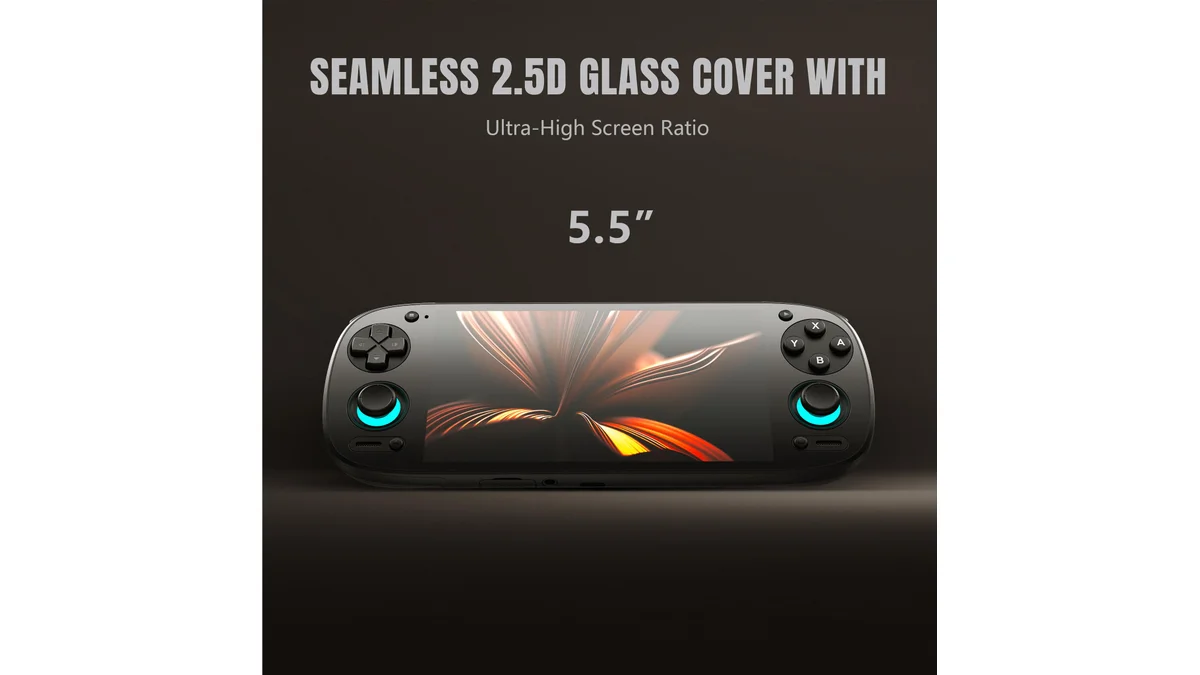
- Anbernic RG405V costs $64 less ($179 vs ~$115) — roughly 36% cheaper than the Retroid Pocket 5.
- Processor: Anbernic RG405V runs a Unisoc Tiger T618 (octa-core) vs Snapdragon 865 in the Retroid Pocket 5.
- RAM: 4GB LPDDR4X vs 12GB LPDDR4x — Retroid Pocket 5 has the memory advantage for multitasking and heavier emulators.
- Display: Retroid Pocket 5 has an OLED/AMOLED panel (5.5" AMOLED 1080p 60Hz) vs the Anbernic RG405V's 4" IPS 640x480 touch — better contrast and black levels.
- Weight: ~282g vs ~320g — Anbernic RG405V is more pocketable.
Specs comparison
Side-by-side technical details. The glowing value wins its row.
| Spec | Anbernic RG405V | Retroid Pocket 5 |
|---|---|---|
| Price | ~$115(best) | $179 |
| Display | 4" IPS 640x480 touch | 5.5" AMOLED 1080p 60Hz(best) |
| Processor | Unisoc Tiger T618 (octa-core) | Snapdragon 865 |
| RAM | 4GB LPDDR4X | 12GB LPDDR4x(best) |
| Storage | 128GB eMMC + microSD (2TB max) | 128GB UFS 3.1 + microSD |
| Battery capacity | 5,500mAh (9hrs)(best) | 5,000mAh |
| Weight | ~282g(best) | ~320g |
| OS | Android 12 | Android 13 |
PS2 / GC
Retroid Pocket 5 winsAndroid
Retroid Pocket 5 winsPortability
Anbernic RG405V winsAnbernic RG405V is best for
- Entry-level Android emulation
- GameCube/PSP on a budget
- Vertical form factor preference
Retroid Pocket 5 is best for
- Excellent performance per dollar
- Full-size AMOLED display
- Strong community support
Anbernic RG405V watch outs
- T618 chip is older generation
- May struggle with demanding PS2 games
- Installing custom OS voids warranty
Retroid Pocket 5 watch outs
- Final $179 markdown on remaining 12GB stock; Retroid says no restock
- Android-only (no dual boot on all units)
Compare the specs and tradeoffs for your target games. Anbernic RG405V has the higher or equal average catalog rating; Anbernic RG405V has the lower or equal listed starting price. Catalog ratings are not measured game benchmarks.
Still unsure?
Let our picker quiz find your perfect handheld in 60 seconds.
Anbernic RG405V vs Retroid Pocket 5 FAQ
Which is better, the Anbernic RG405V or the Retroid Pocket 5?
Compare the specs and tradeoffs for your target games. Anbernic RG405V has the higher or equal average catalog rating; Anbernic RG405V has the lower or equal listed starting price. Catalog ratings are not measured game benchmarks.
What is the price difference between the Anbernic RG405V and the Retroid Pocket 5?
The catalog lists Anbernic RG405V from $115 and Retroid Pocket 5 from $179, a $64 starting-price difference. Configuration, shipping, tax, and availability can change the final cost. A higher price does not by itself establish better performance.
Which has better performance, the Anbernic RG405V or Retroid Pocket 5?
The Anbernic RG405V uses Unisoc Tiger T618 (octa-core) with 4GB LPDDR4X RAM; the Retroid Pocket 5 uses Snapdragon 865 with 12GB LPDDR4x RAM. Catalog ratings are not measured game benchmarks. Check testing for your games, emulator version, resolution, and power settings before choosing.
How does battery life compare between the Anbernic RG405V and Retroid Pocket 5?
The Anbernic RG405V ships with a 5,500mAh (9hrs) battery. The Retroid Pocket 5 has a 5,000mAh. Capacity alone does not establish battery life. Compare runtime tests using the same game, brightness, and power settings; manufacturer claims may use different workloads.
Which is more portable, the Anbernic RG405V or Retroid Pocket 5?
The Anbernic RG405V weighs ~282g, while the Retroid Pocket 5 weighs ~320g. Lighter devices are easier for pocket carry and long sessions but often tradeoff battery capacity or grip comfort.
Should I buy the Anbernic RG405V or wait for the Retroid Pocket 5?
Check each official store for current stock, preorder status, and shipping estimates. Choose around the games and features you need now. This comparison does not verify delivery dates or predict when either manufacturer will release a replacement.