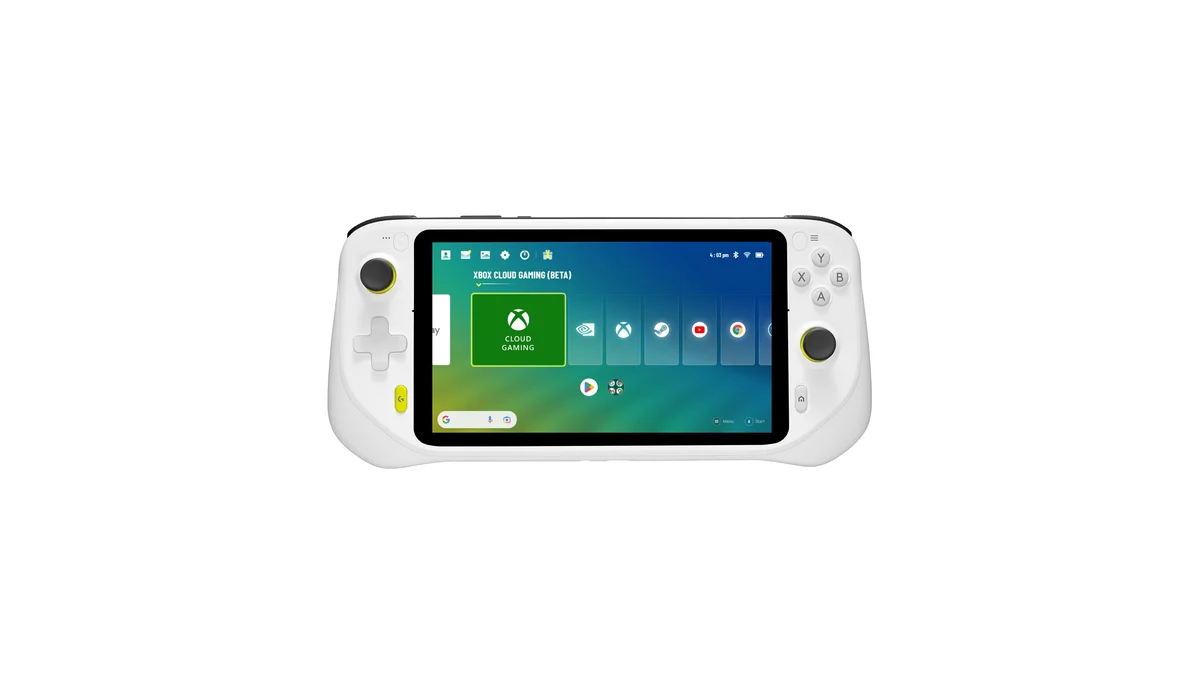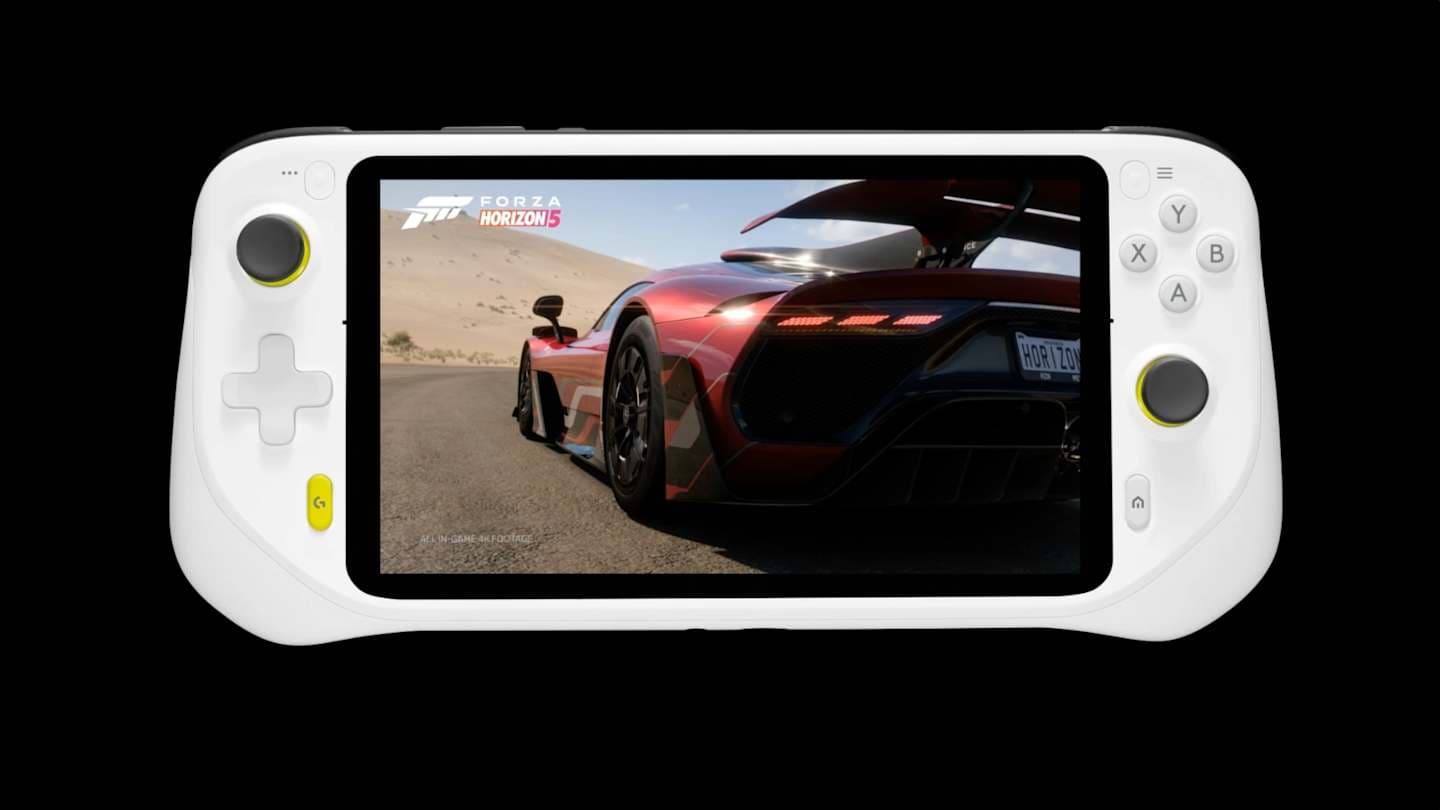
In 2023, Logitech released the G Cloud to muted reviews. "Underpowered," critics said. "Why not just buy a phone clip?" But two years later, the G Cloud has found its audience, and competitors are following suit. Cloud gaming handhelds have become a legitimate category.
Why Cloud Gaming Handhelds Exist
The premise is simple: streaming technology has reached a point where game streaming feels nearly indistinguishable from local play—if you have the right conditions. A dedicated device optimized for streaming can deliver a better experience than a phone with a clip or a full Windows handheld.
The Value Proposition
Consider the Logitech G Cloud:
- 7" 1080p display (larger than phones, optimized for gaming)
- 12+ hour battery life (not possible on local gaming handhelds)
- 500g weight (lighter than Windows handhelds)
- $299 price point (cheaper than most alternatives)
- Purpose-built for Xbox Cloud Gaming, GeForce NOW, and Steam Link
For someone with fast, stable internet who subscribes to cloud gaming services, this makes more sense than a $1000 Windows handheld that dies in 2 hours.
The Technology Has Matured
Early cloud gaming was plagued by latency and artifacting. That's changed:
Streaming Quality
- Resolution: 1080p is now standard, 4K available on premium tiers
- Frame rate: 60fps is expected and delivered
- Latency: Under 30ms is achievable with good internet, competitive with local wireless controllers
Internet Requirements
The magic number is 25+ Mbps for 1080p60 cloud gaming. 5GHz Wi-Fi 6 is essential. For many households—especially those with fiber or cable—this is easily achievable.
The "Good Internet" Caveat
This is the critical factor. Cloud gaming handhelds are niche because they require:
- Fast, stable home internet (100+ Mbps ideal)
- Quality Wi-Fi 6 router
- Non-congested network
If you have this, cloud gaming is magical. If you don't, it's frustrating.
Who Are These For?
After two years, the use cases have become clear:
1. The Secondary Device Owner
You have a gaming PC or console but want to play portably around the house. The G Cloud streams your Steam library via Steam Link or Moonlight with near-native quality. Your saves sync, your library is intact, and you get 12-hour sessions.
2. The Casual Gamer
You don't need bleeding-edge performance. You play Fortnite, Fall Guys, and indie titles. A cloud gaming handheld gives you access to hundreds of games for a monthly subscription without the $1000 hardware investment.
3. The Traveler
Hotel Wi-Fi has improved dramatically. A cloud gaming handheld is lighter than a Windows device and doesn't need charging mid-flight (you can't stream on planes anyway, but you can download for offline on Android).
4. The Retro + Cloud Hybrid
The G Cloud runs Android, so you get the best of both worlds: native retro emulation (offline) plus cloud streaming for modern games (online). It's a compelling combo.
The Competition Responds
The G Cloud's success hasn't gone unnoticed:
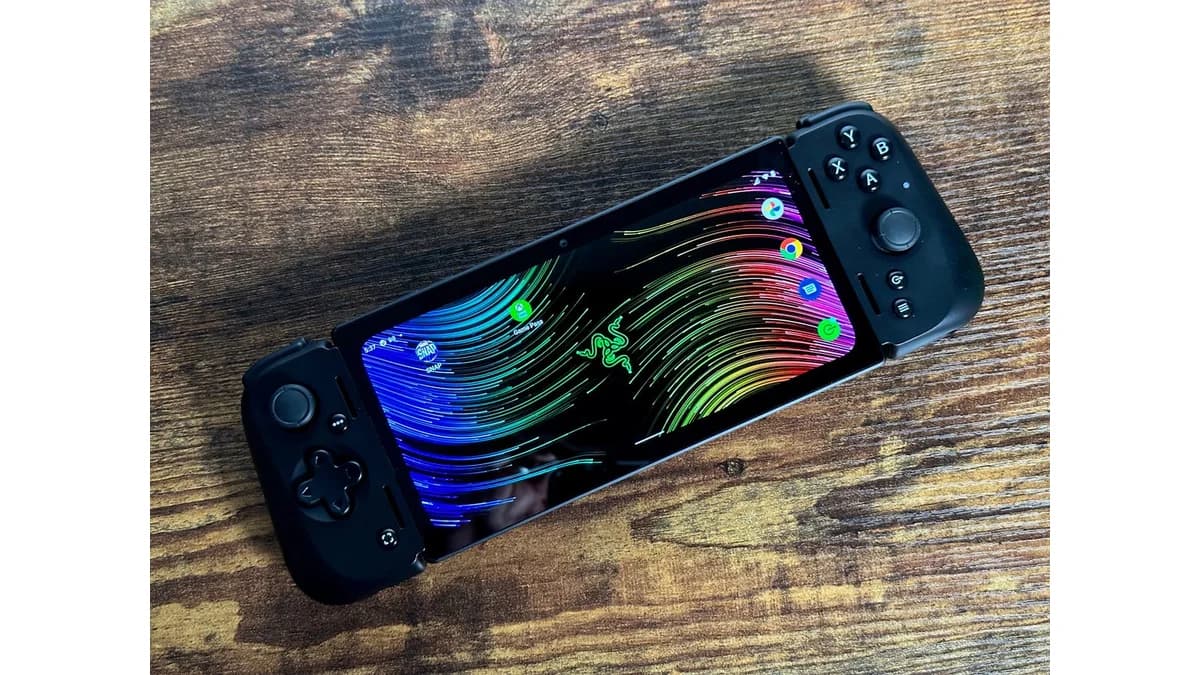
Razer Edge WiFi
Razer's entry into the space is more powerful—it's essentially a high-end Android tablet with an attached controller. At $399, it's pricier but offers better performance for native Android games alongside cloud gaming.
PlayStation Portal
Sony's remote play device is technically not cloud gaming (it streams from your own PS5), but it shares the same philosophy: let the heavy lifting happen elsewhere. At $199, it's the cheapest entry point if you already own a PS5.
Future Devices
Rumors suggest Xbox is exploring a dedicated xCloud device. Samsung has patented gaming-focused tablets. The category is expanding.
Limitations Remain
Cloud gaming handhelds aren't perfect:
Internet Dependency
No internet = no gaming (for cloud titles). This is a dealbreaker for some use cases.
Game Library Limitations
You're limited to what Xbox, GeForce NOW, and Amazon Luna offer. Your entire Steam library isn't available on all services.
Latency Sensitivity
Fast-paced competitive games (fighters, competitive shooters) still feel slightly off. Single-player and slower multiplayer titles work better.
Long-Term Viability
If cloud gaming services shut down or change pricing, your device becomes less useful. This is less of a concern with Xbox's deep pockets but worth considering.
The Verdict: A Viable Category
Cloud gaming handhelds have earned their place. They're not for everyone, but for the right user with the right internet, they're the best option available.
The Logitech G Cloud, in particular, delivers on its promises: comfortable, long-lasting, and purpose-built for streaming. It doesn't try to do everything—it does one thing well.
Should You Buy One?
Consider a cloud gaming handheld if:
- You have fast, reliable internet (100+ Mbps)
- You subscribe to Xbox Game Pass Ultimate or GeForce NOW
- You want to play portably without the Windows hassle
- Battery life matters more than local gaming
Skip it if:
- Your internet is slow or unreliable
- You want to play offline frequently
- Competitive low-latency gaming is your priority
- You prefer owning games over subscribing
The G Cloud and its competitors represent a maturing market. Not everyone needs a $1000 gaming PC in their hands. For many, a purpose-built streaming device is the smarter, more practical choice.
Check our device catalog to compare the Logitech G Cloud and Razer Edge, or try our quiz to see if a cloud gaming handheld fits your needs.