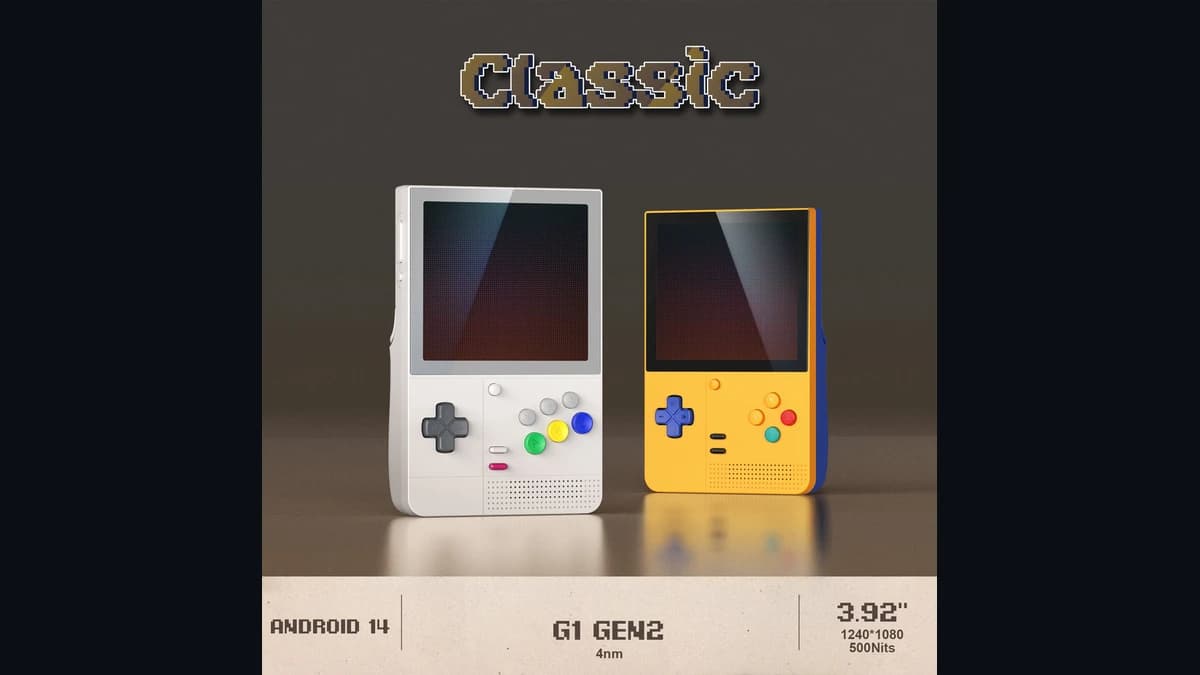
The Retroid Pocket Classic is the best vertical AMOLED Android handheld you can buy under $100 if you want Game Boy-era comfort, strong 8-bit through Dreamcast performance, and a screen that punches far above the price. Remaining 6GB/128GB stock is $99 on GoRetroid as of September 21, 2026 (was $149); Retroid says these SKUs will not restock (clearance notes). The catch is intentional: no analog sticks, a ~5:4 panel that loves square-ish retro games more than widescreen PSP, and a chip that can run light PS2/GameCube but is not the point of the device.
If your library is NES through PS1, GBA, arcade, and Saturn on a six-button shell, this is the sweet spot. If you need sticks for N64, Dreamcast 3D, or serious PS2, look at the Retroid Pocket Mini V2 or a horizontal Android device instead. Full device page: Retroid Pocket Classic. Not sure which form factor fits you? Take the Handheld Picker Quiz.
Specs
| Spec | Retroid Pocket Classic |
|---|---|
| Price | $99 remaining 6GB/128GB stock (was $149); 4GB SKUs sold out |
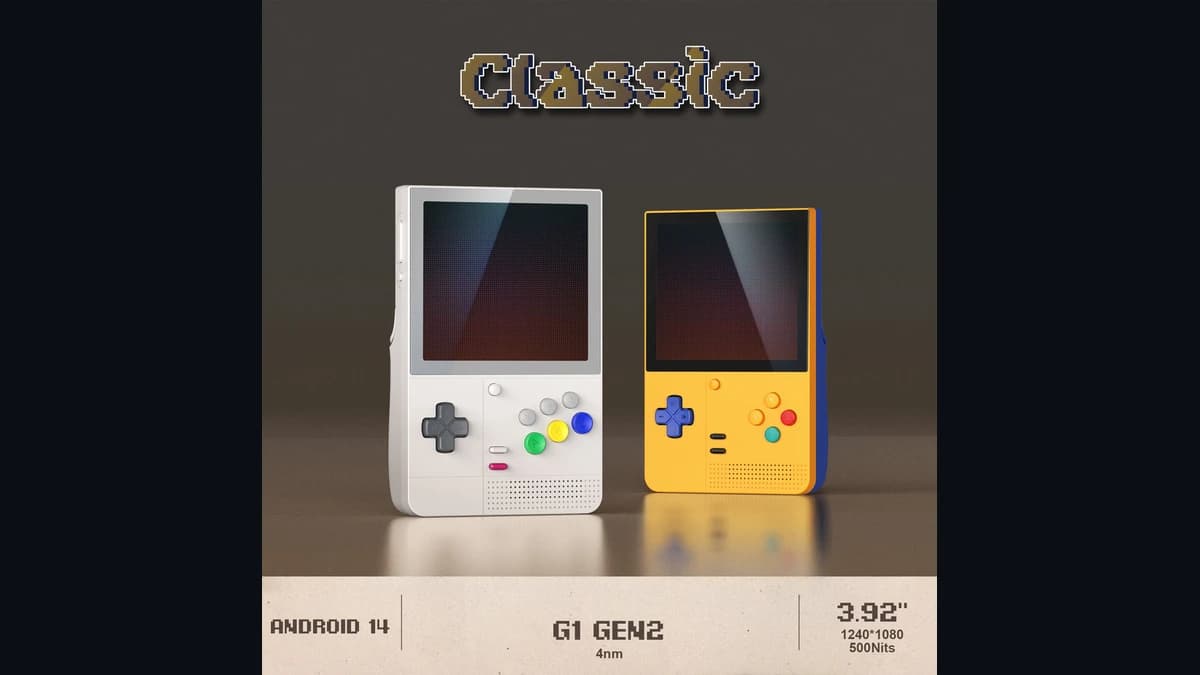
| Display | 3.92" AMOLED, 1240x1080, ~5:4 / 31:27, 60Hz |
| Chip | Snapdragon G1 Gen 2 (Adreno A12) |
| RAM | 4GB or 6GB LPDDR4X @ 2133MHz |
| Storage | 64GB or 128GB eMMC 5.1 + microSD |
| Battery | 5000mAh, 27W charging |
| Cooling | Active fan |
| OS | Android 14 (official OTA) |
| Wireless | Wi-Fi 5, Bluetooth 5.1 |
| Weight / size | ~223g; about 138 x 89 x 26mm |
| Layout | Vertical Game Boy style; no analog sticks; optional 6-face-button colors |
Official specs and configs live on the Retroid product page.
Design: Vertical Done on Purpose
Retroid built a modern Game Boy Color silhouette, not a mini horizontal with the sticks shaved off. Face buttons sit in a traditional ABXY (or six-button on select shells) cluster, D-pad on the left, shoulders and sloped rear triggers on top. There are no analog sticks, which is a feature for pocket carry: nothing snags fabric, and the face is clean for overlays and bezels that frame GB/GBC content.
Build quality matches recent Retroid units. Matte plastics resist fingerprints better than glossy premium shells, and reviewers consistently call out clicky face buttons with a Vita-style D-pad that feels accurate for fighters and platformers (Retro Handhelds first impressions). Colorways include Teal, Kiwi, Berry, Retro, Atomic Purple, PKM Yellow, and Classic 6 / Classic 6 SG shells if you want Saturn-style six face buttons.
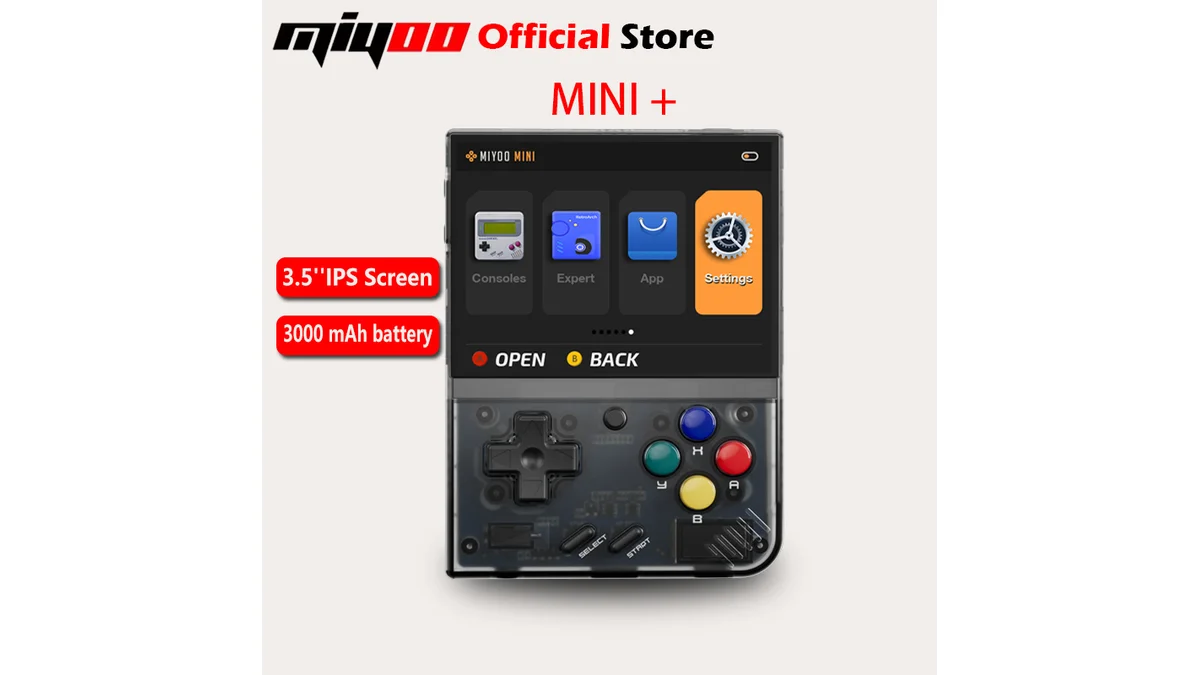
At ~223g and pocketable dimensions, it is larger and more comfortable for bigger hands than a Miyoo Mini Plus, while still fitting a jacket pocket. Expect a real handheld feel, not a credit-card toy.
Display: The Reason to Buy
The 3.92" AMOLED at 1240x1080 is the star. Pixel density is high enough that GBA and SNES look razor-sharp with integer scaling or mild shaders, and AMOLED blacks blend into the bezel so 4:3 and near-square content feels like a floating panel rather than a phone with letterboxes. Aspect ratio is roughly 5:4 / 31:27 (about 10⅓:9), which suits Game Boy, GBC, GBA (with overlays), SNES, Genesis, and many arcade titles better than a wide 16:9 slab.
Widescreen systems (PSP, many Android games) get side bars. That is the trade: vertical AMOLED for square-ish libraries wins; pure widescreen libraries do not. Joey's Retro Handhelds framed it as the Analogue Pocket spirit on Android: gorgeous screen, nostalgia-forward layout, no sticks compromising the look.
Performance and Emulation
The Snapdragon G1 Gen 2 with Adreno A12 is the first mass-market vertical to bring this class of Android power under $150. Retro Game Corps and community testing put it ahead of older budget SoCs for CPU-heavy 3D, with performance that surprised people who expected a "pretty brick for GBA only."
| System | Expected experience |
|---|---|
| GB / GBC / GBA / NES / SNES / Genesis | Flawless, heavy upscaling and shaders |
| Arcade, Neo Geo, PCE | Excellent |
| PS1 | Full speed; often 5x / near-1080p in DuckStation-class apps |
| N64 / Dreamcast | Strong performance; control is the limit without sticks |
| Saturn | Excellent on six-button shells with proper cores |
| PSP | Playable; widescreen bars and D-pad-only control hurt |
| PS2 / GameCube / light Wii | Many titles at native or mild scale; stickless control is the real limiter |
| Switch / heavy Android AAA | Not the target |
Retro Dodo nails the right use case: older D-pad systems feel perfect; N64, Dreamcast, PS2, GameCube, and PSP will tease you with power you cannot map cleanly without sticks. Time Extension praised the six-button Classic 6 as a portable Saturn machine, with full-speed Saturn even on demanding titles when configured correctly.
Android games work when they map well to a D-pad and face buttons (many indies, retro-style releases, some emulated PC ports). Touch-only titles need on-screen controls. This is not a Winlator powerhouse the way a Snapdragon 8-series horizontal is.
Does it come with games? No. Like other Retroid Android devices, you install emulators from the Play Store or sideload, add your own legally obtained ROMs/ISOs, and set up RetroArch or standalone cores. Out of the box you get Android 14 and Retroid's launcher tools, not a preloaded library.
Battery Life
The 5000mAh cell plus efficient SoC and active cooling is a standout for a vertical. Retro Game Corps noted roughly 16 hours on SNES/GBA-class loads versus about 4-5 hours on some smaller Linux bricks under similar use. Expect:
| Usage | Approximate runtime |
|---|---|
| 8/16-bit, GBA | 12-16+ hours |
| PS1 / Dreamcast-class | ~6-10 hours |
| Heavier 3D / higher brightness | ~4-6 hours |
| Sleep / standby | Low drain; strong for daily pocket carry |
27W charging is unusually aggressive for this size. A short top-up before a commute is realistic. Fan noise stays low on light systems and only becomes noticeable under sustained 3D load.
Retroid Pocket Classic vs Pocket VERT vs Mini V2
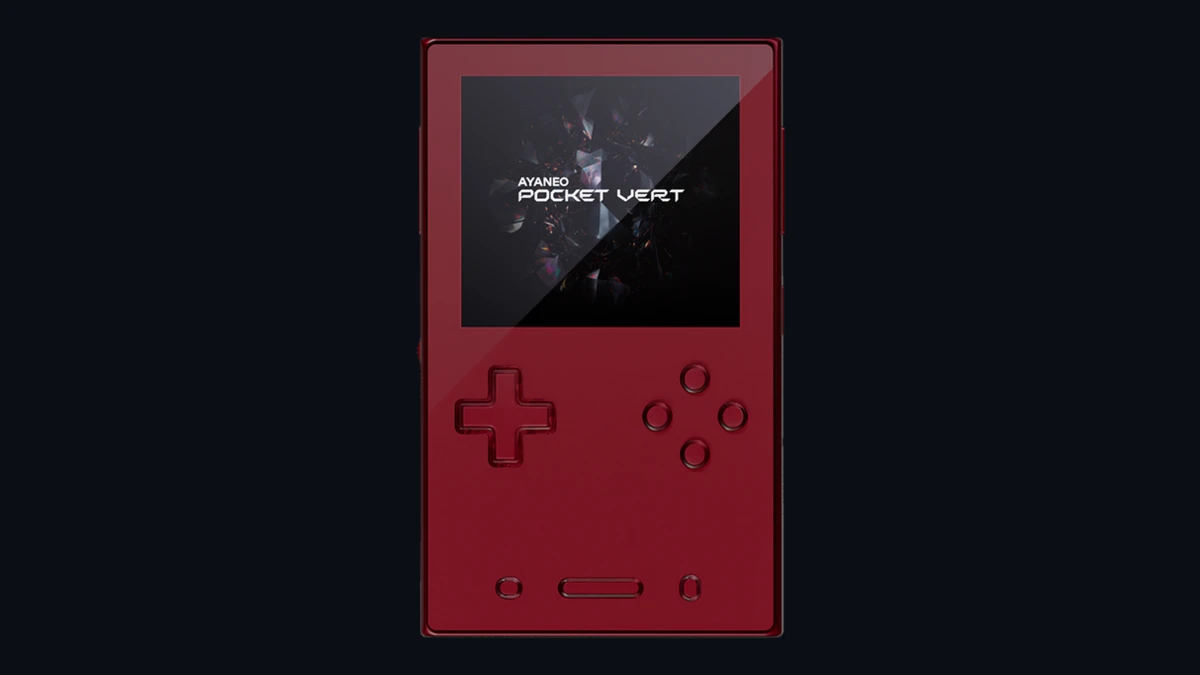
| Pocket Classic | AYANEO Pocket VERT | Pocket Mini V2 | |
|---|---|---|---|
| Price | ~$119-$149 | ~$269-$339 | ~$179 |
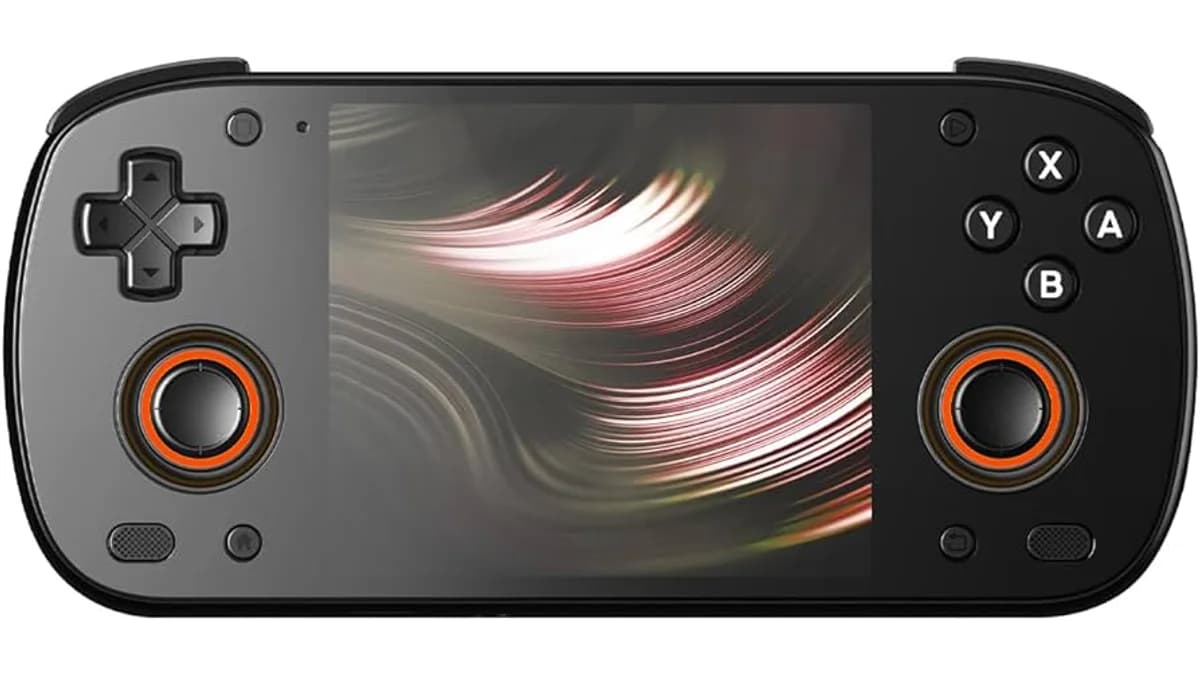
| Form | Vertical, no sticks | Vertical, premium, dual-mode touchpad | Horizontal, sticks + grips |
| Screen | 3.92" AMOLED 1240x1080 | 3.5" LTPS 1600x1440 (615 PPI) | Same 3.92" AMOLED family |
| Chip | G1 Gen 2 | Snapdragon 8+ Gen 1 | Snapdragon 865 |
| Battery | 5000mAh, 27W | 6000mAh | 4000mAh |
| Best for | Best value vertical AMOLED | Pixel-dense premium vertical | Pocket power with sticks |
Pick the Classic if you want the cheapest path to vertical AMOLED Android and mostly play stickless systems. Pick Pocket VERT if you will pay roughly 2x for higher PPI, more RAM options, and stronger sustained performance. Pick Mini V2 if you like the same AMOLED size but need analog sticks, stronger PS2/GC headroom, and a horizontal layout; battery is smaller (4000mAh) and street price is higher.
Against Miyoo Mini Plus: Mini Plus wins pure cheap Linux pocket retro (~$65) and OnionOS simplicity; Classic wins screen quality, Android flexibility, battery, and systems past PS1.
Pros and Cons
Pros
- Best vertical AMOLED value under $150
- Sharp 1240x1080 panel ideal for GB through 16-bit and PS1
- G1 Gen 2 overdelivers for the price tier
- 5000mAh + 27W is excellent for a pocket vertical
- Optional six-button shells excel for Saturn and fighting games
- No sticks means cleaner pocket carry
Cons
- No analog sticks; awkward for N64, many Dreamcast/PS2/GC titles
- Widescreen systems show heavy bars
- 4GB base RAM is tight; prefer 6GB/128GB
- eMMC storage is slower than UFS on pricier Retroid models
- Wi-Fi 5 only; no flagship wireless stack
Verdict: Buy If You Want Vertical OLED Without Paying Premium
The Retroid Pocket Classic is any good if your definition of "good" is a daily-carry vertical for retro and PS1 with a premium-looking AMOLED, not a stick-driven PS2 machine. Remaining 6GB stock at $99 undercuts premium verticals like Pocket VERT while outclassing Linux minis on screen and software flexibility. Joey's ranking of it among Retroid's best releases of the year lines up with the broader consensus: niche form factor, excellent execution. Buy soon: Retroid says these SKUs will not restock.
Buy if you want Game Boy vibes, D-pad libraries, long battery, and Android. Skip if analog sticks or widescreen 3D are non-negotiable; get Mini V2, Pocket 5/6-class, or another horizontal instead.
Device hub: Retroid Pocket Classic. Still deciding? Use the Handheld Picker Quiz.
Frequently Asked Questions
Is the Retroid Pocket Classic any good?
Yes, for vertical retro and PS1-focused play. The 3.92" AMOLED, Snapdragon G1 Gen 2, and 5000mAh battery form one of the strongest under-$100 packages in the category at the $99 remaining-stock price. It is a weak fit if you need sticks or prioritize PSP/PS2 as primary systems.
What consoles can the Retroid Pocket Classic play?
It handles GB through PS1, arcade, Saturn, and most Dreamcast/N64 titles at full speed, with light GameCube and PS2 as a bonus when control maps make sense. Sticks are absent, so 3D systems that demand analog input feel compromised even when the chip keeps up.
Does the Retroid Pocket Classic come with games?
No. It ships with Android 14 and Retroid software only. You install emulators and load your own legally obtained game files, the same workflow as other modern Android handhelds.
Can Retroid Pocket Classic play Android games?
Yes, when games support controllers or map cleanly to a D-pad and face buttons. Touch-first titles need on-screen controls, and heavy 3D Android games are better on higher-tier chips. Indiedev and retro-style Play Store titles are the natural fit.
Should I buy the Pocket Classic or the Pocket Mini V2?
Buy the Classic for vertical form factor, longer battery, lower price, and stickless retro. Buy the Mini V2 if you need analog sticks, stronger PS2/GameCube headroom on Snapdragon 865, and a horizontal layout at a higher price with a smaller 4000mAh battery.
Sources
- GoRetroid - Retroid Pocket Classic product page
- Retro Handhelds - Retroid Pocket Classic First Impressions
- Retro Dodo - Retroid Pocket Classic Review
- Joey's Retro Handhelds - Retroid Pocket Classic Review
- Time Extension - Retroid Pocket Classic 6 review
- Retro Game Corps - Retroid Pocket Classic In-Depth Review (YouTube)
Featured image: GoRetroid. Product images used under fair use for editorial purposes.