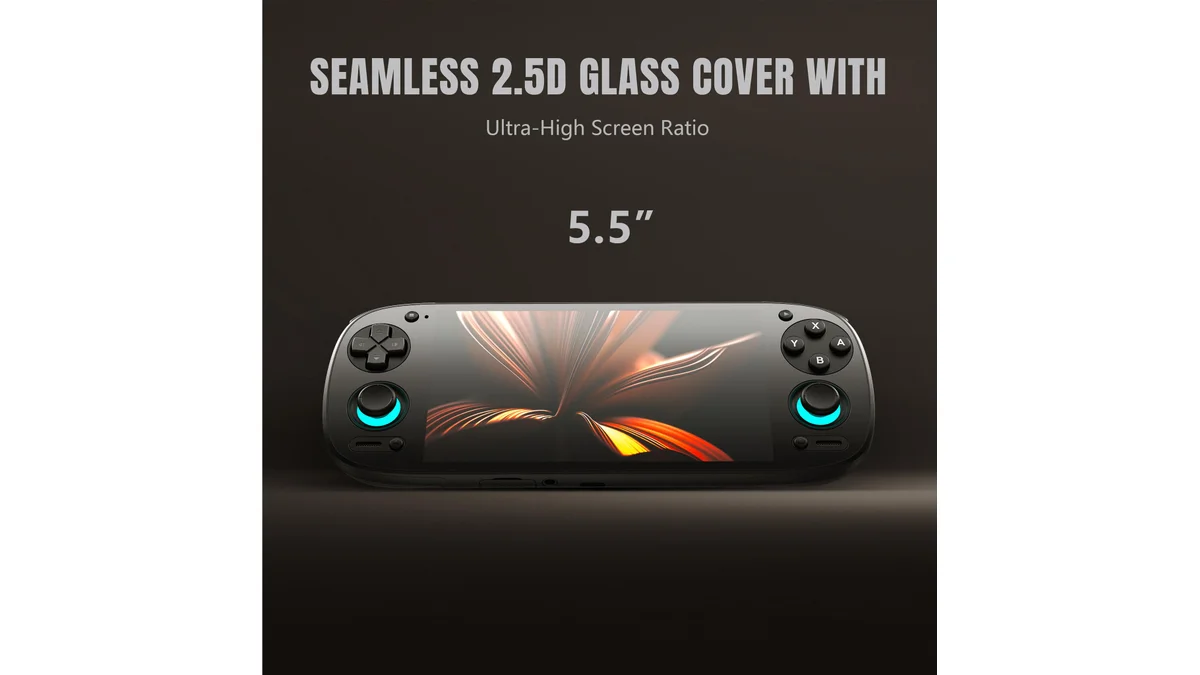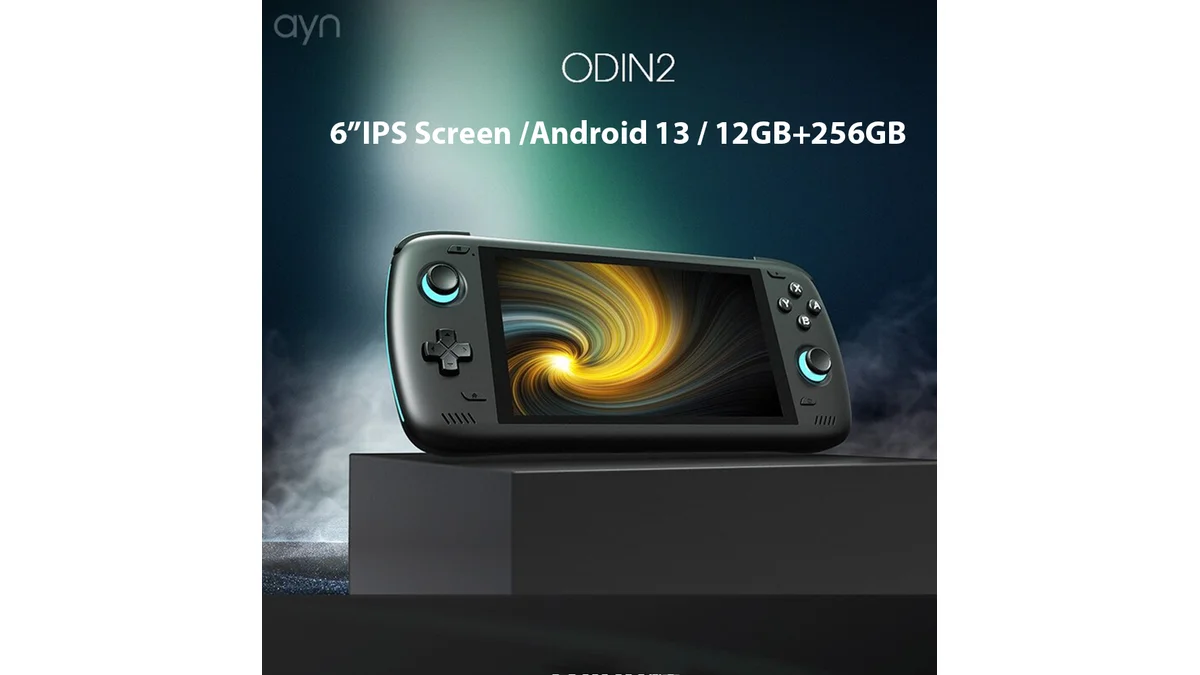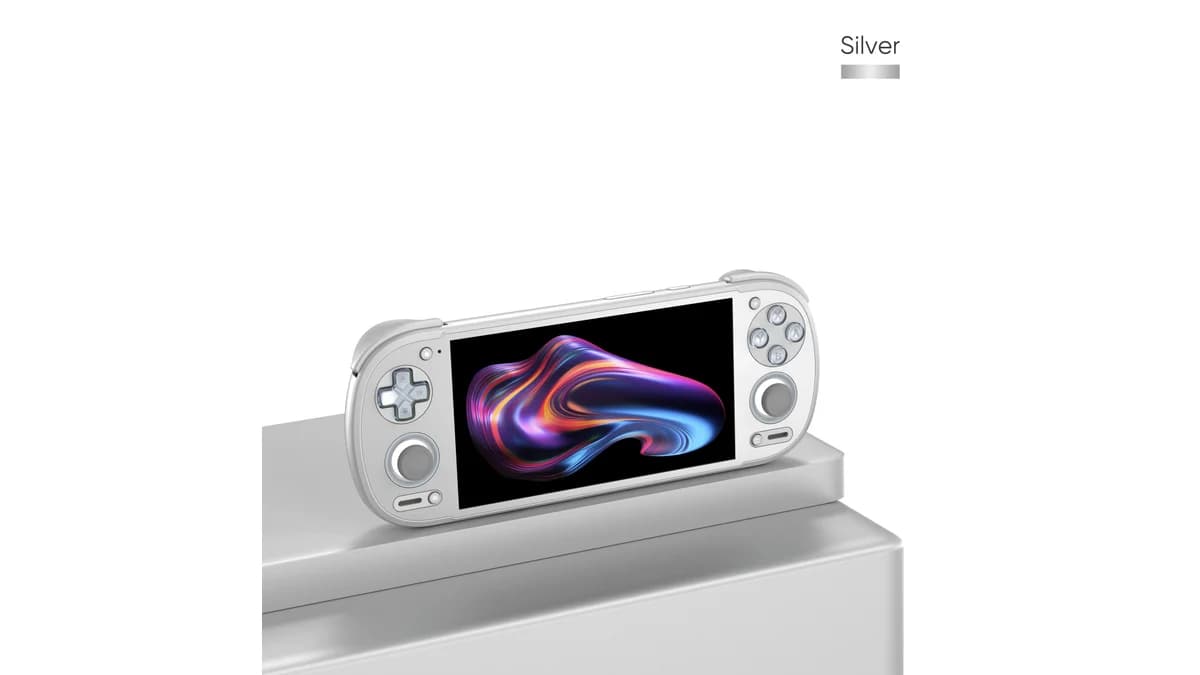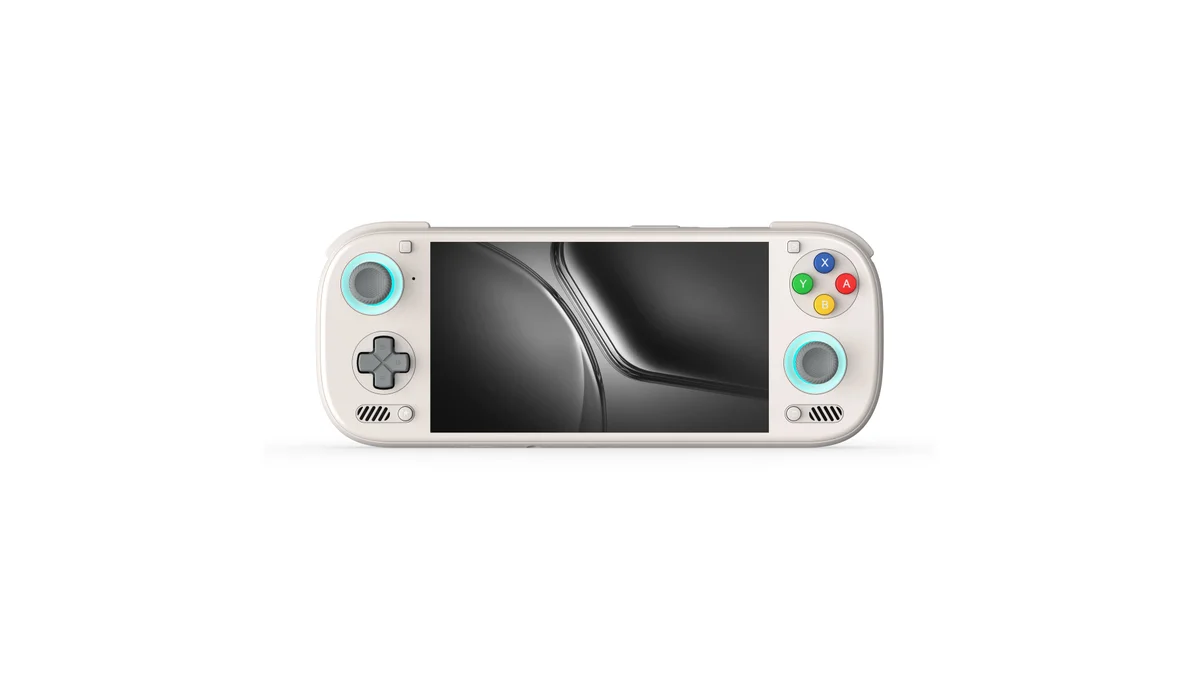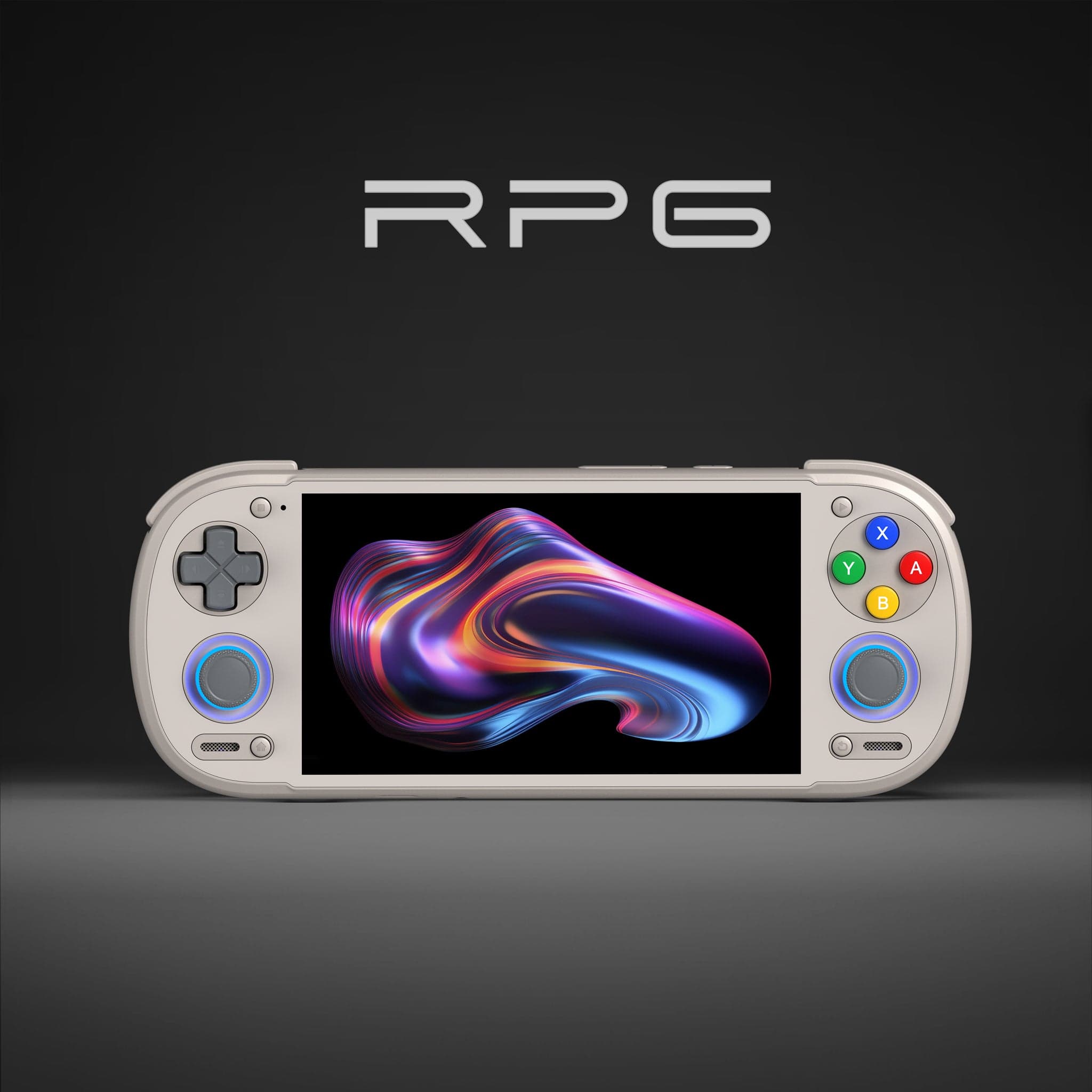
2026 is shaping up to be a banner year for Android handhelds, and two devices are leading the charge: the Retroid Pocket 6 and the AYN Odin 3. Both pack Snapdragon 8-series processors, 120Hz AMOLED displays, and enough power to handle everything up to Switch emulation. But which one deserves your money?
We've spent weeks with both devices, testing real-world performance, battery life, and day-to-day usability. Here's the definitive comparison.
Quick Comparison
| Spec | Retroid Pocket 6 | AYN Odin 3 |
|---|---|---|
| Processor | Snapdragon 8 Gen 2 | Snapdragon 8 Elite |
| Display | 5.5" AMOLED, 120Hz | 6" AMOLED, 120Hz |
| RAM | 8GB | 8GB-24GB options |
| Storage | 128GB + microSD | 128GB-1TB options |
| Battery | 6000mAh | 8000mAh |
| Weight | 320g | ~410g |
| OS | Android 13 | Android 15 |
| Price | $229 | $329 |
Performance: A Narrow Win for Odin 3
Raw Power: The Odin 3's Snapdragon 8 Elite edges out the Pocket 6's 8 Gen 2 by roughly 20-30% in benchmarks. In practice, this translates to:
| Use Case | Pocket 6 | Odin 3 |
|---|---|---|
| PS2/GameCube at 3x | Full speed | Full speed |
| PS2/GameCube at 4x | Occasional dips | Full speed |
| Switch emulation | Good | Better |
| Android games at 120Hz | Excellent | Excellent |
| PC gaming (GameNative) | Light titles only | Slightly more capable |
For 95% of retro gaming, both devices are equally capable. The Odin 3 pulls ahead only in edge cases: maximum upscaling, demanding Switch titles, and PC gaming experiments.
RAM Considerations: The Pocket 6 is locked at 8GB (the 12GB variant was canceled). The Odin 3 offers up to 24GB. In practice, 8GB handles retro emulation beautifully. Where extra RAM helps:
- High-end Switch emulation (12GB recommended)
- PC gaming through compatibility layers
- Future-proofing for emulator advancements
Display: Pocket 6's Secret Weapon
Both devices use 120Hz AMOLED panels, but the Pocket 6's smaller 5.5" display at 1080p yields higher pixel density (400ppi vs ~367ppi). The result: sharper integer-scaled retro games and less screen door effect.
Display comparison:
| Aspect | Pocket 6 | Odin 3 |
|---|---|---|
| Size | 5.5" | 6" |
| Resolution | 1080p | 1080p |
| Pixel Density | 400ppi | ~367ppi |
| Brightness | Excellent | Excellent |
| Colors | Vibrant | Vibrant |
| CRT shaders at 120Hz | Flawless | Flawless |
The Pocket 6's display is more immersive for its size, while the Odin 3 offers more screen real estate. It's a matter of preference: density vs. size.
Battery Life: Odin 3 Dominates
This is where the Odin 3 pulls away decisively.
| Activity | Pocket 6 | Odin 3 |
|---|---|---|
| PS2/GameCube emulation | 4-6 hours | 6-8 hours |
| Android gaming | 5-7 hours | 7-9 hours |
| Retro (PS1 and earlier) | 8-10 hours | 10-12 hours |
| Standby drain | Minimal | Minimal |
The 8000mAh battery in the Odin 3 provides roughly 30-40% more gaming time than the Pocket 6's 6000mAh cell. For all-day gaming without charging, the Odin 3 is the clear choice.
Both support fast charging (27W Pocket 6, 65W Odin 3), so top-ups are quick.
Portability: Pocket 6 Wins
| Metric | Pocket 6 | Odin 3 |
|---|---|---|
| Weight | 320g | ~410g |
| Size | Compact | Large |
| Pocketable? | Large pocket/bag | Bag only |
The Pocket 6 is meaningfully more portable. It fits in larger jacket pockets and small bags, while the Odin 3 requires a dedicated carrying case. If you commute or travel light, this matters.
Controls and Ergonomics
Both devices have excellent controls, but different philosophies:
Pocket 6:
- Configurable D-pad position (top or bottom)
- Hall sensor sticks
- Analog L2/R2 triggers
- Rear paddle buttons
- Smaller, tighter grip design
Odin 3:
- Fixed layout (D-pad above left stick)
- Hall sensor sticks
- Full-size console-like grip
- No rear buttons
- Better for extended sessions
The Odin 3's larger grips are more comfortable for marathon gaming. The Pocket 6's rear buttons are genuinely useful for emulator shortcuts. Both have excellent face buttons and D-pads.
Software Experience
Pocket 6: Android 13. Mature, stable, extensive community support. Setup guides and custom firmware are readily available.
Odin 3: Android 15. Cutting-edge with better security and performance optimizations, but newer means occasional compatibility quirks with older emulators.
Both require launcher replacement (ES-DE, Daijishō) for the best experience. Both support the same emulators and play the same games.
Value: Pocket 6's Trump Card
| Variant | Price | Notes |
|---|---|---|
| Pocket 6 (8GB/128GB) | $229 | Best value |
| Odin 3 Base (8GB/128GB) | $329 | $100 more |
| Odin 3 Pro (12GB/256GB) | $399 | $170 more than Pocket 6 |
| Odin 3 Ultra (24GB/1TB) | $519 | $290 more than Pocket 6 |
The Pocket 6 delivers 90% of the Odin 3's experience for $100 less. That $100 gap widens if you want more RAM or storage on the Odin 3.
The Verdict
Choose the Retroid Pocket 6 if:
- You want the best value in Android handhelds
- Portability matters (lighter, more compact)
- You primarily emulate up to PS2/GameCube
- You appreciate the unique design and color options
- You want the sharpest pixel density for retro games
Choose the AYN Odin 3 if:
- Battery life is your top priority (30-40% longer)
- You want maximum future-proofing (up to 24GB RAM)
- You prefer a larger screen (6" vs 5.5")
- You plan to experiment with Switch emulation or PC gaming
- You value the latest Android version
Our recommendation: For most retro gaming enthusiasts, the Pocket 6 is the smarter buy. The $100+ savings outweigh the Odin 3's advantages for typical use. But if you're a power user who games for hours away from outlets, the Odin 3's superior battery life justifies the premium.
Either way, you're getting one of the best Android handhelds ever made. 2026 is a good year to be a retro gamer.