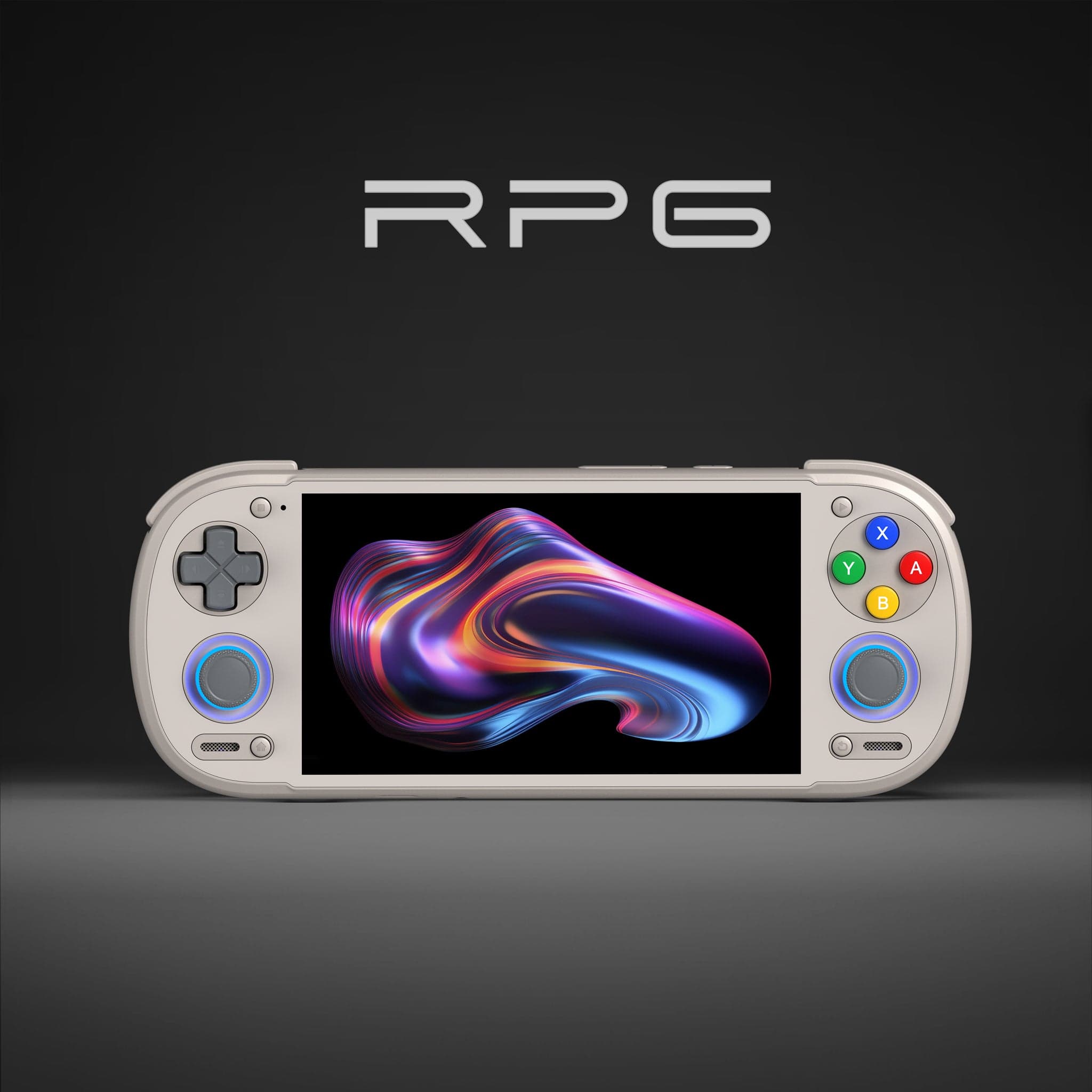
The Retroid Pocket 6 has arrived, and it's not just an incremental upgrade—it's a statement. With a Snapdragon 8 Gen 2 processor, a gorgeous 120Hz AMOLED display, and a refined design that learns from every misstep of its predecessors, Retroid has created what many are calling the ultimate Android handheld for retro gaming.
After spending three weeks with the device, testing everything from Game Boy classics to demanding GameCube titles, we're ready to deliver our verdict.
Specifications Overview
| Component | Specification |
|---|---|
| Processor | Snapdragon 8 Gen 2 |
| Display | 5.5" AMOLED, 1080p @ 120Hz |
| RAM | 8GB LPDDR5x (12GB variant discontinued due to supply) |
| Storage | 128GB UFS 3.1 + microSD slot |
| Battery | 6000mAh with 27W fast charging |
| OS | Android 13 |
| Connectivity | Wi-Fi 7, Bluetooth 5.3 |
| Weight | 320g |
Design: Bold Choices Pay Off
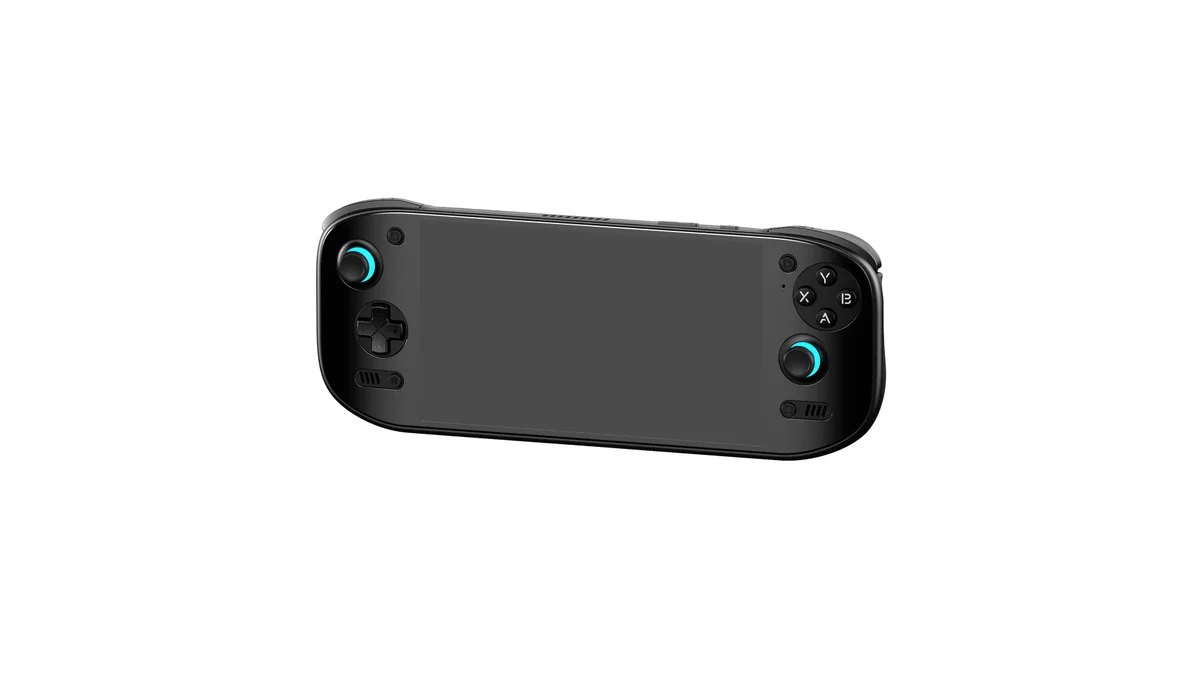
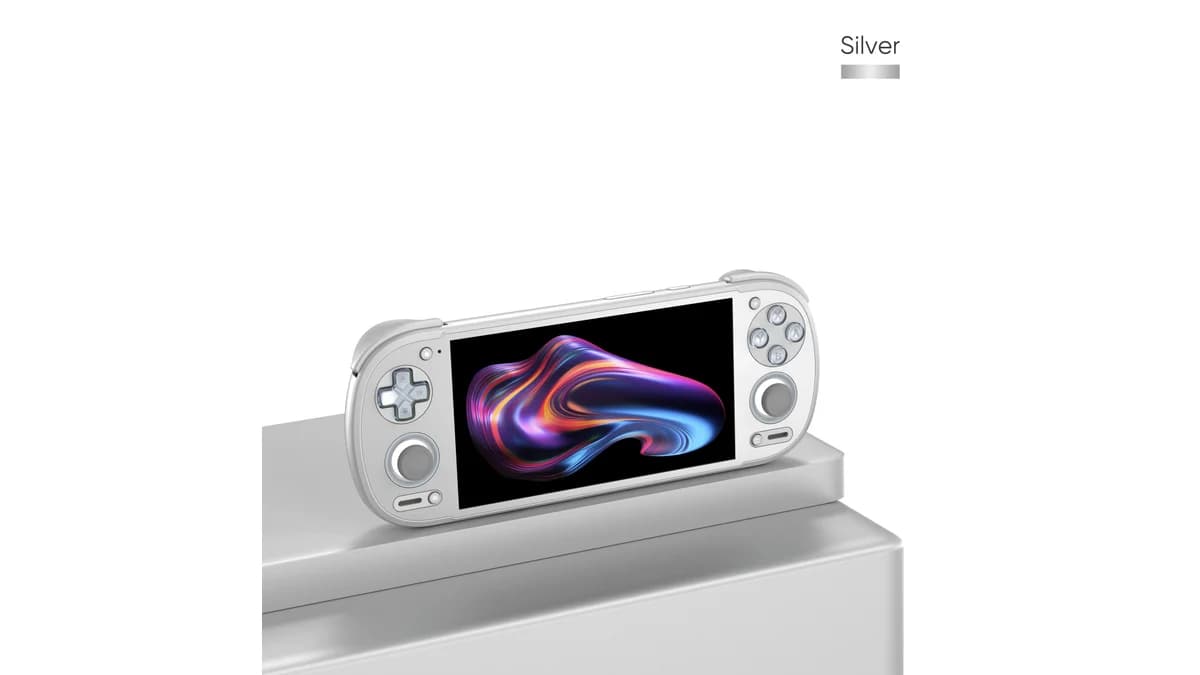
The Pocket 6 embraces a divisive aesthetic that harkens back to the late 90s. The silver finish has a subtle glitter shimmer that screams "Y2K aesthetic," while the Light Purple variant directly channels the beloved Sony PSP-3000 Lilac. Love it or hate it, Retroid is taking design risks while competitors play it safe.
Ergonomics see meaningful improvements:
- 13% smaller footprint than the Pocket 4
- Pronounced rear grip bumps provide secure hold
- Softer, rounded edges eliminate the RP5's sharp transitions
- Configurable D-pad positioning (top or bottom) for different retro eras
At 320g, it's heavier than the RP5 but the improved weight distribution and grip geometry make it more comfortable for extended sessions.
Display: The Star of the Show
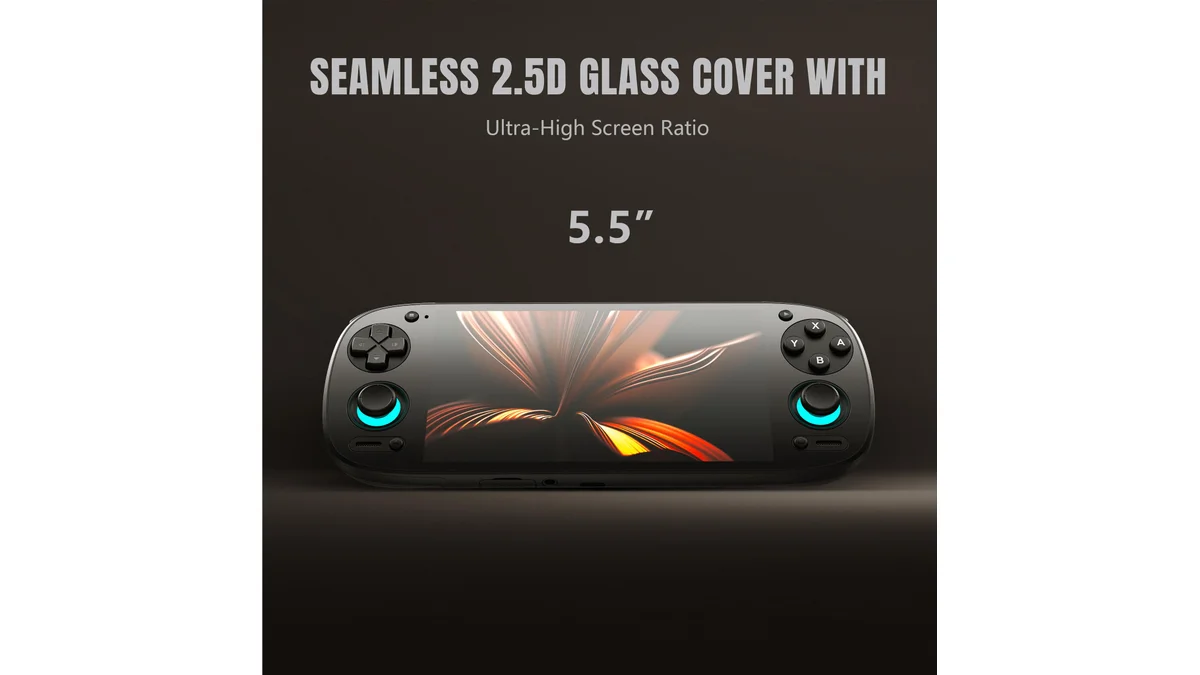
The 5.5" 1080p AMOLED running at 120Hz is simply stunning. This isn't just a nice-to-have—it's transformative for retro gaming:
- Black frame insertion at 120Hz authentically recreates CRT flicker
- Run-ahead latency reduction with zero visual penalty
- 4x upscaling for PS2/GameCube with headroom to spare
- 400ppi density makes integer-scaled retro games razor-sharp
- Incredible brightness range - usable outdoors, dims ultra-low for dark room play
Stuff.tv called it "a screen that wouldn't look out of place on a fancy smartphone," and they're not exaggerating.
Performance: The 8GB Question
Here's where things get interesting. Due to global DRAM supply constraints (thanks, AI boom), Retroid canceled the 12GB variant and standardized on 8GB. The community has debated whether this is a dealbreaker.
The verdict: For retro gaming, 8GB is plenty. Here's why:
| Use Case | Performance |
|---|---|
| 8/16-bit classics | Effortless - use the extra power for shaders |
| PS1/Dreamcast | Flawless at 4x upscaling |
| PSP/PS2/GameCube | Full speed at 3-3.5x resolution |
| Android games | Excellent at 120Hz |
| PC gaming via GameNative | Light titles work well |
| Switch emulation | Mixed - buy a Switch instead |
The Snapdragon 8 Gen 2's Adreno 740 GPU is the real star. Games like Metroid Prime 2: Echoes and Metal Gear Solid 3 run "dead stable" at 3x resolution with all the visual enhancements enabled.
Expert perspectives on 8GB:
"In practice, 8 GB of RAM is generally sufficient for the kinds of PC games people are actually playing on Android handhelds today... RAM is rarely the main constraint." — GameNative Lead Developer
"Eden uses 4GB for emulated VRAM, with optimized Vulkan memory access handling the rest efficiently." — Eden Emulator Founder
Where 12GB would help: high-end Switch emulation and demanding PC ports. But Retroid plans to reintroduce the 12GB model when DRAM prices drop (estimated Q2/Q3 2026).
Controls: Refined and Responsive
Retroid nailed the controls this generation:
- Hall sensor sticks: Smaller than some competitors but precise with good range
- Face buttons: Quiet, soft, refined—not "clacky" like budget handhelds
- D-pad: Clicky and precise, favoring accuracy over mushiness
- Analog triggers: L2/R2 have excellent travel for the device size
- Rear paddle buttons: Programmable and unobtrusive—perfect for emulator shortcuts
The shoulder buttons wrap around the sides, providing natural finger resting positions. It's a small detail that makes a big difference during long sessions.
Battery Life: All-Day Gaming
- Retro systems (PS1 and below): 12+ hours
- PS2/GameCube with upscaling: 4-6 hours
- Android games at 120Hz: 5-7 hours
- Standby drain: Barely noticeable
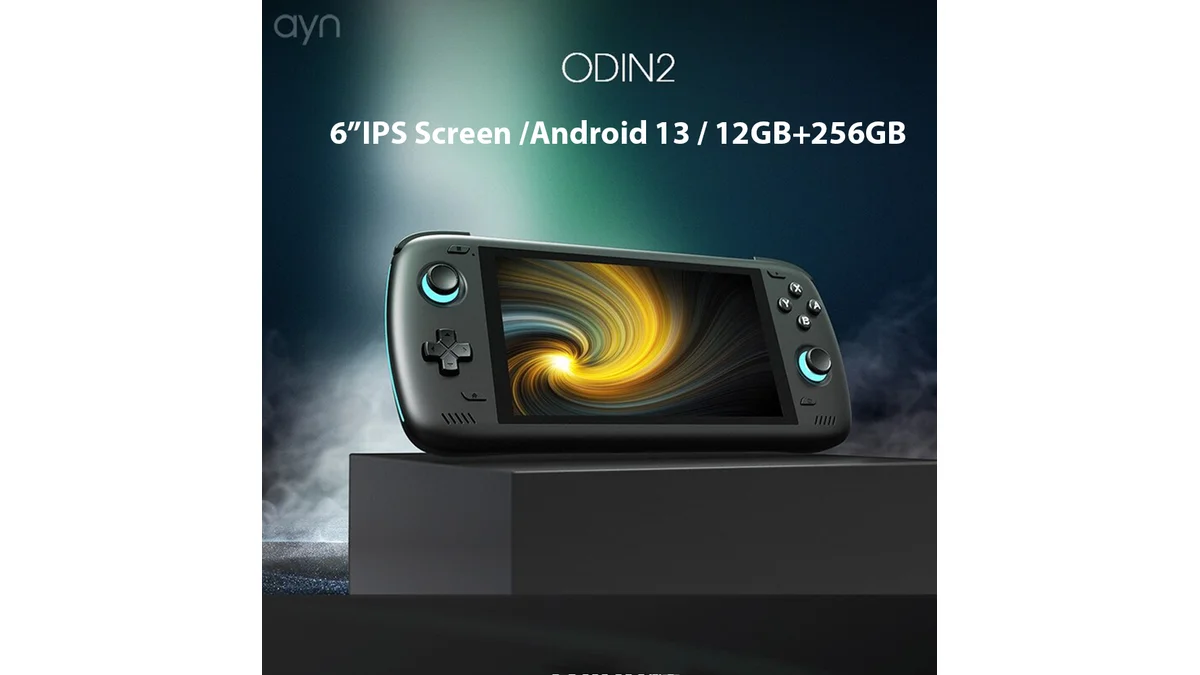
The 27W fast charging means quick top-ups between sessions. While the 6000mAh battery is smaller than the AYN Odin 2's 8000mAh, the more efficient AMOLED and optimized power management keep it competitive.
Software: Android Done Right
Running Android 13 (not Linux-based like some competitors), the Pocket 6 requires some setup—but the flexibility is worth it.
Recommended setup path:
- Replace the stock launcher with ES-DE, Daijishō, or Beacon
- Update emulators (don't use pre-installed versions—they're outdated)
- Follow Retro Game Corps' exhaustive setup guide
- Install GameNative if you want to experiment with PC gaming
The payoff is a console-quality interface for your retro library with access to Android's full app ecosystem.
Connectivity and Extras
- USB-C with DisplayPort: Output 4K 60Hz to your TV
- Wi-Fi 7: Future-proofed wireless
- 3.5mm headphone jack: Because we still love wired audio
- microSD expansion: Essential given the 128GB base storage
The USB-C video out is particularly nice—this can become your couch console with the right dock.
The Competition: How It Stacks Up
| Device | Price | Processor | Display | Battery | Key Advantage |
|---|---|---|---|---|---|
| Retroid Pocket 6 | $229 | SD 8 Gen 2 | 5.5" 120Hz AMOLED | 6000mAh | Best display, value |
| AYN Odin 2 | $299 | SD 8 Gen 2 | 6" 1080p LCD | 8000mAh | Larger battery |
| Odin 2 Portal | $299 | SD 8 Gen 2 | 7" 120Hz AMOLED | 10000mAh | Biggest screen |
| Retroid Pocket 5 | $199 | SD 865 | 5.5" 60Hz AMOLED | 5000mAh | Budget option |
The Pocket 6 sits in the sweet spot—better display than the Odin 2, more portable than the Portal, significantly more powerful than the RP5.
Should You Buy It?
Buy the Retroid Pocket 6 if:
- You want the best Android handheld for $250 or less
- Display quality matters to you (the AMOLED is genuinely special)
- You primarily play PS2/GameCube and earlier systems
- You value a pocketable form factor without sacrificing performance
Consider alternatives if:
- You need maximum battery life (Odin 2 or Portal)
- You want the largest screen possible (Odin 2 Portal)
- You're on a tight budget (Pocket 5 is still excellent)
- You must have 12GB RAM for PC gaming experiments
Verdict
The Retroid Pocket 6 earns a 5/5 from us and from Stuff.tv. It gets the fundamentals right—great controls, gorgeous display, serious performance—and wraps them in a distinctive design at a fair price.
Is 8GB of RAM a compromise? Technically yes. In practice, for the retro gaming this device excels at, you won't notice. The Snapdragon 8 Gen 2 and that 120Hz AMOLED are the real stars here.
For many retro gaming enthusiasts, this is the "end-game" Android handheld. At $229 (or $209 for early birds), it's one of the best values in portable gaming right now.
Available now at the Retroid store. Color options: Black, Silver, '16-Bit', Orange, and the PSP-inspired Light Purple.