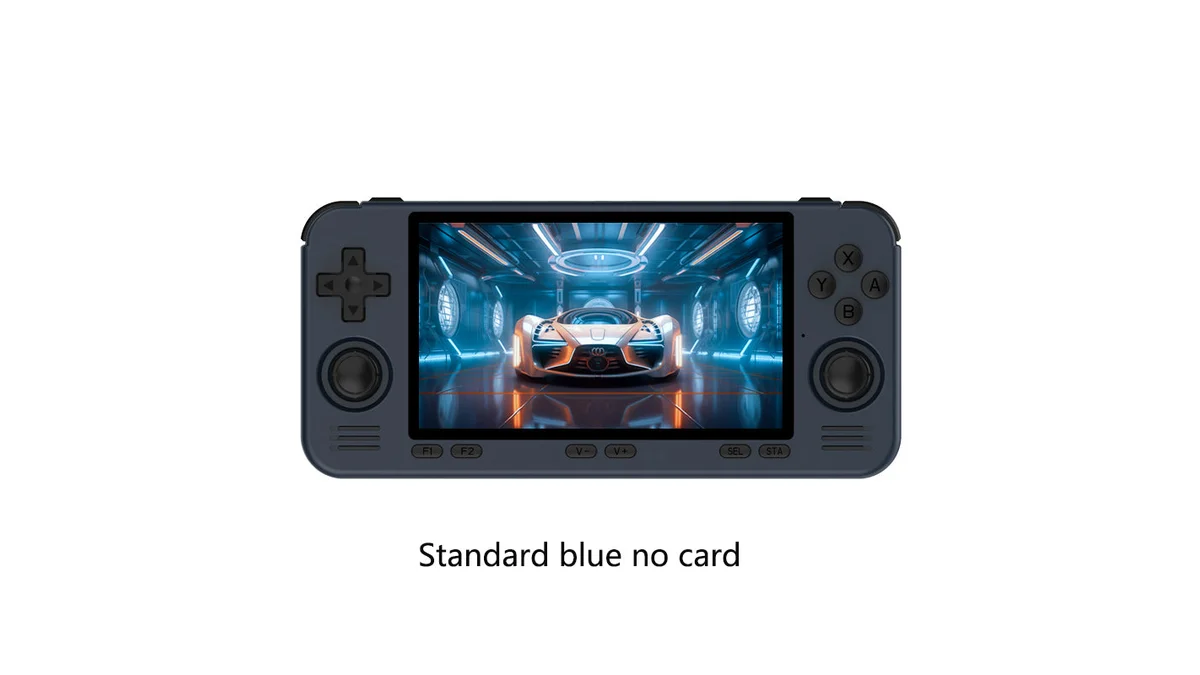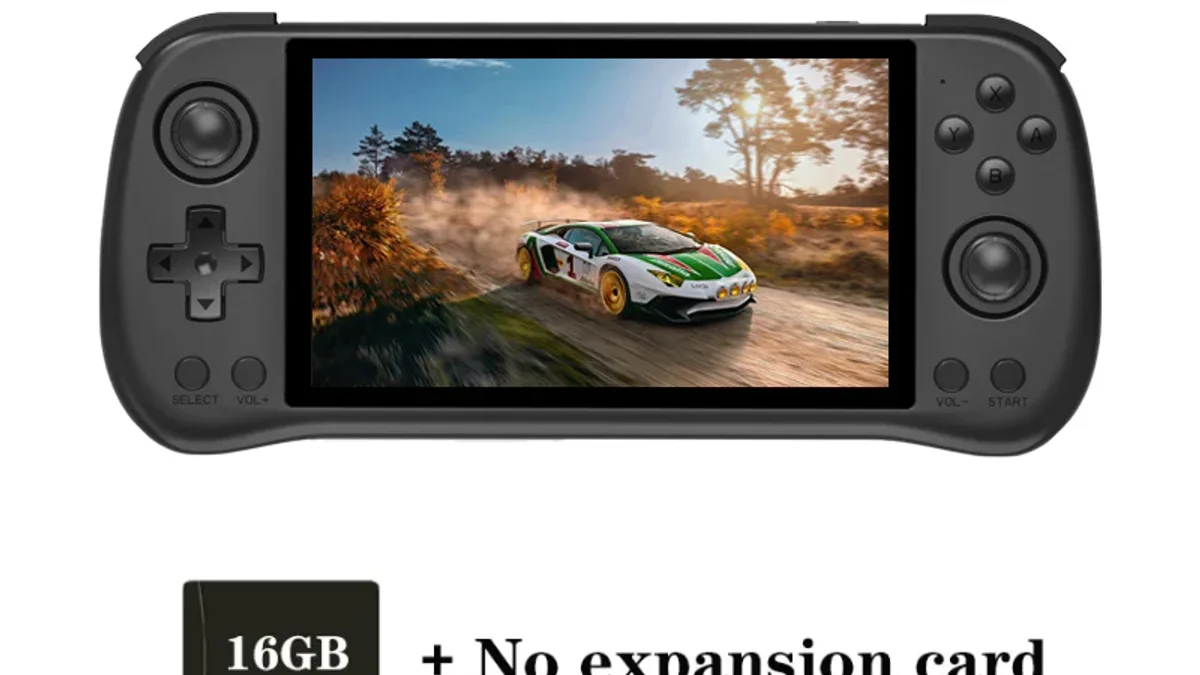
The Powkiddy X55 has quietly become one of the most recommended budget handhelds in the retro gaming community. Released in late 2023 and gaining momentum throughout 2024-2025, this horizontal Android/Linux handheld hits a sweet spot that many competitors miss: legitimate gaming power at a sub-$100 price point, with a community reputation as the best device for Portmaster—the system for running ported PC games on handhelds.
After extensive testing and community feedback analysis, the X55 stands out as a compelling option for budget-conscious gamers who want more than just 8-bit and 16-bit classics. Here's everything you need to know about this surprisingly capable device.
Specifications Overview
| Component | Specification |
|---|---|
| Processor | Rockchip RK3566 (Quad-core Cortex-A55 @ 1.8GHz) |
| GPU | ARM Mali-G52 |
| Display | 5.5-inch IPS, 1280x720 (720p HD) |
| RAM | 2GB LPDDR4 |
| Storage | 16GB internal + microSD expansion |
| Battery | 4000mAh |
| Connectivity | Wi-Fi, Bluetooth, HDMI output |
| OS | Linux (EmuELEC, ROCKNIX, Batocera) |
| Bundled Games | 25,000-30,000 pre-loaded |
| Weight | ~220g |
The RK3566 processor is the same chip found in the Powkiddy RGB10MAX3 and several other budget handhelds, but the X55 distinguishes itself through thoughtful hardware allocation and exceptional community support.
Why the X55 Dominates Portmaster
Portmaster is a community-driven project that packages PC game ports for ARM handhelds, bringing titles like Stardew Valley, Hollow Knight, Celeste, and Undertale to devices that would never run them natively otherwise. The X55 has become the unofficial reference device for Portmaster development—and for good reason.
What Makes the X55 Special for Portmaster:
-
Optimal Performance-to-Price Ratio: The RK3566 provides just enough horsepower to run most Portmaster titles at playable frame rates without the cost premium of Snapdragon chips. Games like Axiom Verge, Shovel Knight, and Binding of Isaac run beautifully.
-
2GB RAM Advantage: Unlike the RGB10MAX3 which ships with only 1GB, the X55's 2GB LPDDR4 configuration provides breathing room for larger game assets and smoother multitasking. This matters significantly for Portmaster titles that can be memory-hungry.
-
5.5-Inch 720p Sweet Spot: The 720p resolution is perfect for indie PC games originally designed for monitor play—sharp enough to look good, low enough to maintain performance. The 16:9 aspect ratio matches most modern indie titles without letterboxing.
-
Active Community Optimization: Because the X55 is so popular, Portmaster developers prioritize optimization for this specific device. New ports are frequently tested and tuned on X55 hardware first.
Verified Portmaster Performance:
| Game | Performance | Notes |
|---|---|---|
| Stardew Valley | 60fps | Perfect, thousands of hours played by community |
| Hollow Knight | 30-45fps | Playable, occasional dips in intense areas |
| Celeste | 60fps | Excellent, precise platforming works great |
| Shovel Knight | 60fps | Flawless across all campaigns |
| Axiom Verge | 60fps | Metroidvania perfection |
| Undertale | 60fps | RPG classic runs perfectly |
| Binding of Isaac | 45-60fps | Can dip with many on-screen items |
| Vampire Survivors | 30-45fps | Playable but demanding late-game |
Emulation Performance: Beyond Expectations
While Portmaster is the X55's claim to fame, its emulation capabilities are impressive for the price. The RK3566 with Mali-G52 handles a broader range of systems than many buyers expect.
Flawless Systems:
- NES, SNES, Game Boy/Color/Advance
- Genesis/Mega Drive, Master System, Game Gear
- PlayStation 1 (the X55 excels here)
- Neo Geo, PC Engine
- Most arcade cores
Excellent Performance:
- Nintendo 64 (most titles run well with minor adjustments)
- Dreamcast (good compatibility, some demanding titles need tweaks)
- PSP (lighter 2D titles run great; 3D games vary)
Playable with Limitations:
- Some lighter GameCube titles (expect compromises)
- Select PS2 games (slowdown in demanding scenes)
The PS1 performance deserves special mention. The combination of 2GB RAM and the RK3566's efficiency means the X55 handles PS1 games with room to spare, often allowing for upscaling and enhancement features that make these classics look better than they did on original hardware.
Custom Firmware Options
The X55's Linux-based foundation makes it highly customizable. Multiple CFW options exist, each with different priorities:
EmuELEC: The stock/pre-installed option for many X55 units. EmuELEC is purpose-built for gaming handhelds with an interface designed for controller navigation. It's stable, well-documented, and perfect for users who want to load ROMs and play without extensive configuration.
ROCKNIX: A newer Linux distribution gaining traction in the RK3566 community. ROCKNIX emphasizes modern kernel features, better performance tuning, and active development. Users report improved frame pacing in demanding emulators and better power management compared to stock.
Batocera: The Swiss Army knife of retro gaming OS options. Batocera offers the most extensive system support and customization options. Its interface is polished and themeable, though the learning curve is steeper than EmuELEC.
JelOS/ArkOS: Lightweight options for users who prioritize boot speed and minimal overhead. These are less hand-holding but reward technical users with maximum performance extraction from the hardware.
Most users should start with EmuELEC or ROCKNIX, then experiment if they hit limitations or want specific features.
X55 vs. RGB10MAX3: The Internal Comparison
Powkiddy sells both the X55 and RGB10MAX3, creating confusion about which to buy. Despite sharing the same processor, these devices serve different purposes.
| Feature | X55 | RGB10MAX3 |
|---|---|---|
| Form Factor | Flat horizontal (no handles) | Handled design with grips |
| RAM | 2GB LPDDR4 | 1GB LPDDR4 |
| Screen | 5.5-inch 720p | 5.0-inch 720p |
| Portmaster | Excellent (community reference) | Good (memory limitations) |
| Portability | More pocketable | Requires larger bag/pocket |
| Ergonomics | Comfortable for medium sessions | Better for marathon gaming |
| Battery | 4000mAh | 4000mAh |
The RAM Difference Matters: The RGB10MAX3's 1GB configuration hits limits in larger PS1 games and more demanding Portmaster titles. The X55's 2GB eliminates these bottlenecks, making it the smarter long-term purchase despite similar pricing.
The Form Factor Preference: Some users prefer the RGB10MAX3's handled design for extended comfort, but the X55's flat profile makes it genuinely more portable. It's a matter of personal preference and use case.
Verdict: Unless you specifically need the handled ergonomic design, the X55 is the superior device due to its additional RAM and larger screen.
X55 vs. The Competition
The X55 doesn't exist in a vacuum. Here's how it compares to other popular budget horizontal handhelds:
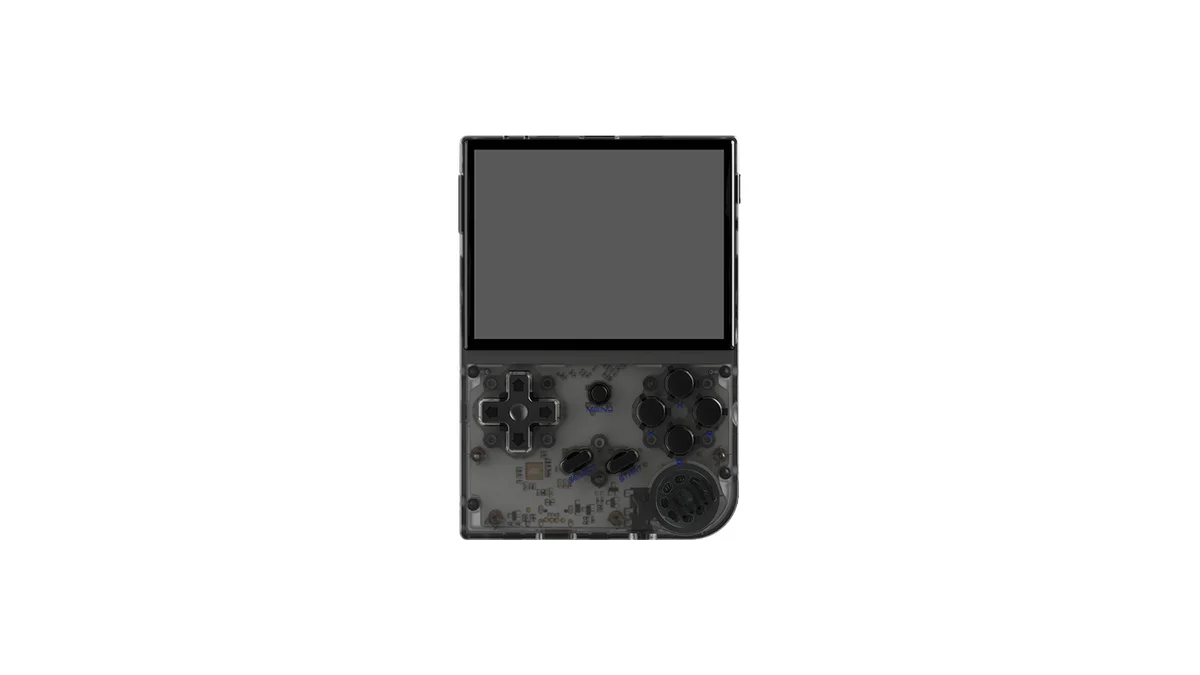
vs. Anbernic RG35XX Plus ($85): The RG35XX Plus is vertical (Game Boy-style) rather than horizontal. Choose the X55 if you prefer a modern controller layout and the larger 5.5-inch screen. Choose the RG35XX Plus if you want vertical portability and a focus on 8-bit/16-bit gaming. The X55 wins for Portmaster and PS1; the RG35XX Plus wins for classic handheld authenticity.
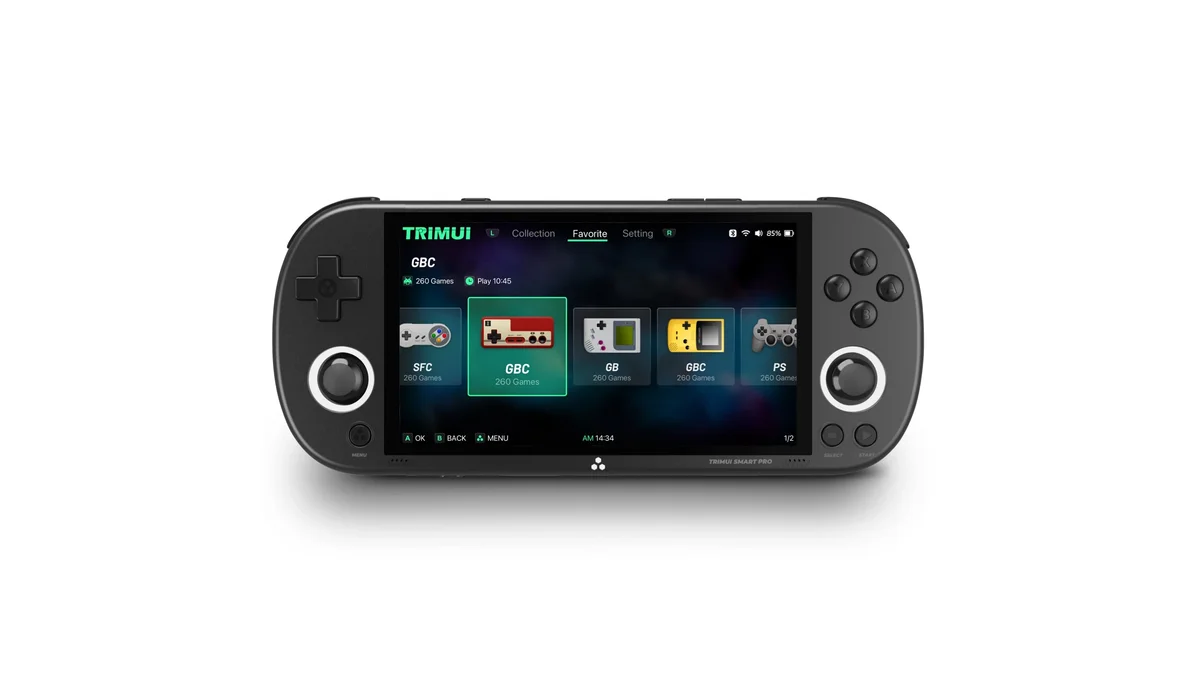
vs. TrimUI Smart Pro ($95): The TrimUI Smart Pro is the X55's closest competitor, featuring a similar form factor and price point. The X55 wins on Portmaster compatibility (TrimUI's Linux build is less mature for this) and community support. The TrimUI Smart Pro wins on build quality and UI polish. For raw gaming capability, the X55 edges ahead.
vs. Retroid Pocket 2S ($100+): The RP2S is significantly more powerful with its Unisoc T610 chip and runs Android rather than Linux. It handles PSP and Dreamcast better than the X55. However, it costs 30-40% more, and the X55 matches or exceeds it for PS1 and below. The X55 is the better value for retro-focused users; the RP2S is worth the premium if you need more power.
HDMI Output: Couch Console Mode
A frequently overlooked X55 feature is its HDMI output capability. Connect it to a TV, and the X55 becomes a capable couch console for retro gaming and Portmaster titles. The interface scales well to larger displays, and the bundled 25,000+ games suddenly become a family entertainment system.
This dual-purpose functionality adds significant value. A $90 device that serves as both a portable handheld and a living room console is genuinely impressive economics.
Who Should Buy the Powkiddy X55?
Buy the X55 if:
- You want the best Portmaster experience under $100
- PS1 emulation is a priority (it excels here)
- You prefer horizontal controller layouts
- Budget is your primary constraint
- You value community support and CFW flexibility
- You want HDMI output for TV gaming
- 2D indie games (Stardew Valley, Celeste, etc.) interest you
Consider alternatives if:
- You need reliable PSP or GameCube emulation (requires more power)
- Build quality is your top priority (X55 is adequate but not premium)
- You prefer vertical handheld designs for 8-bit/16-bit gaming
- You want a more polished out-of-box experience (TrimUI Smart Pro)
- Marathon gaming sessions are common (handled designs are more ergonomic)
The Bottom Line
The Powkiddy X55 delivers exceptional value at $80-100. It's not the most powerful handheld available, nor the best-built, but it occupies a unique position as the budget device that does the most things well. The combination of 2GB RAM, 5.5-inch 720p display, and unmatched Portmaster optimization makes it the default recommendation for budget-conscious gamers who want to explore beyond basic 8-bit emulation.
For under $100, you get a device that plays 25,000+ pre-loaded games, runs excellent PS1 emulation, handles most Portmaster PC ports, and outputs to your TV. That's a compelling package that explains why the X55 remains popular years after its release.
If you're dipping your toes into handheld emulation or want a secondary device specifically for indie PC ports and PS1 classics, the X55 is hard to beat. Just understand its limitations—it's a budget device that punches above its weight, not a flagship killer.
Rating: 8/10 – The best value in budget horizontal handhelds, held back only by build quality that matches its price point rather than exceeding it.