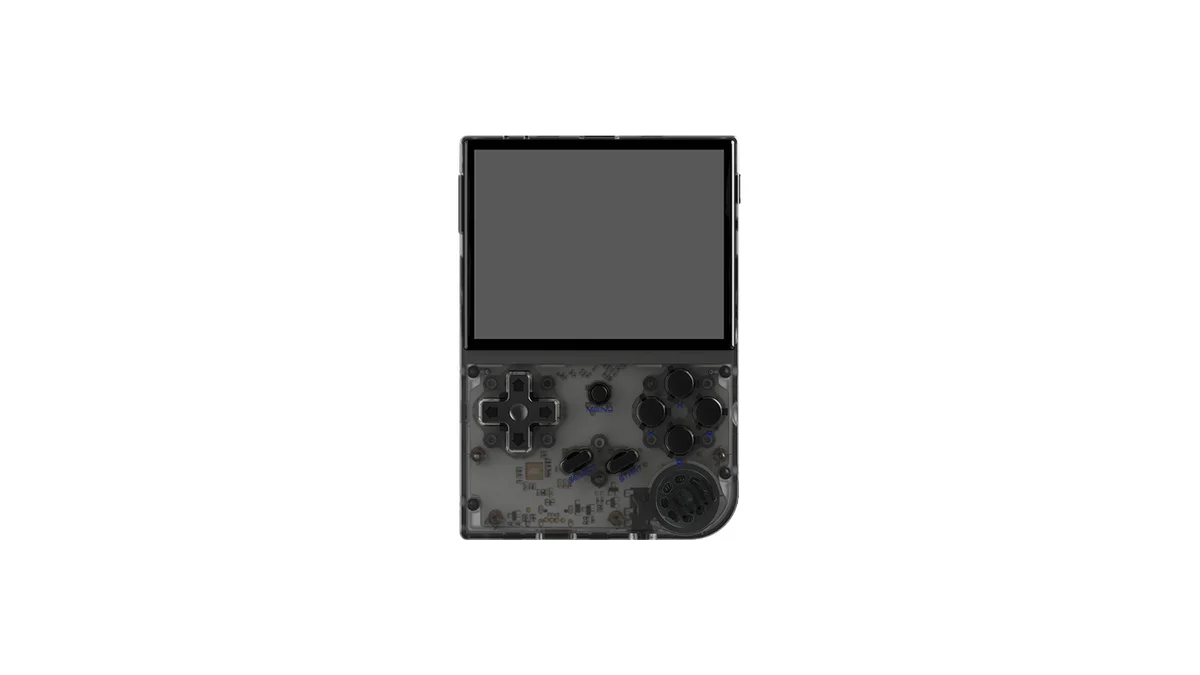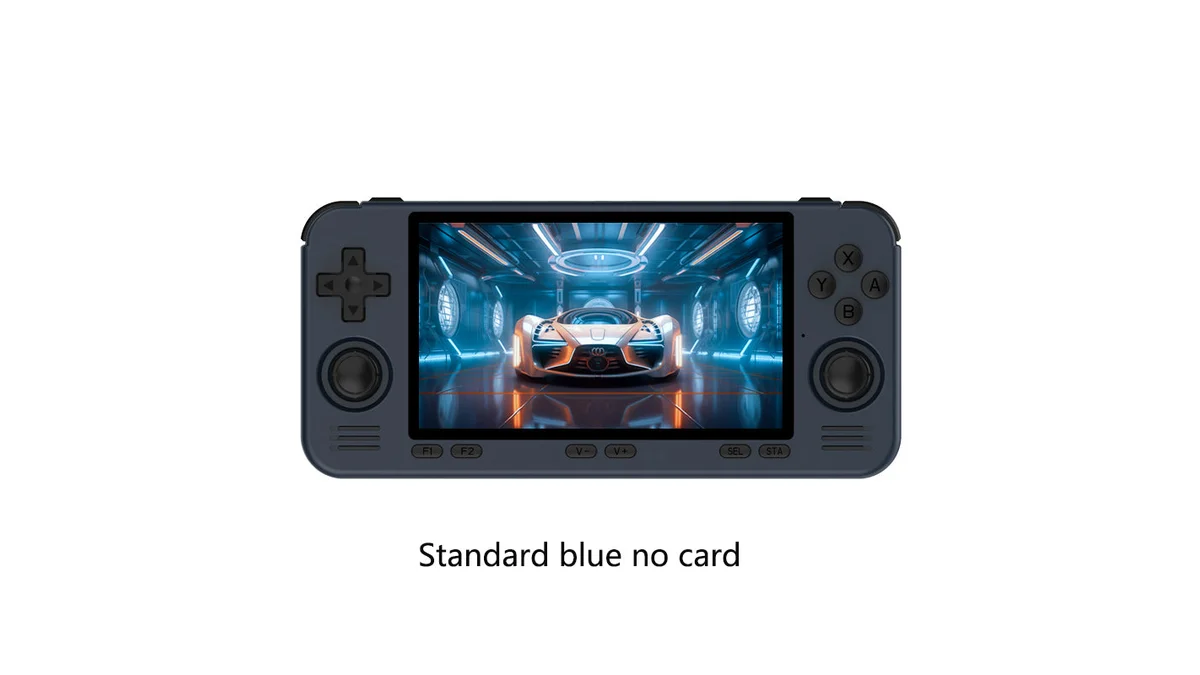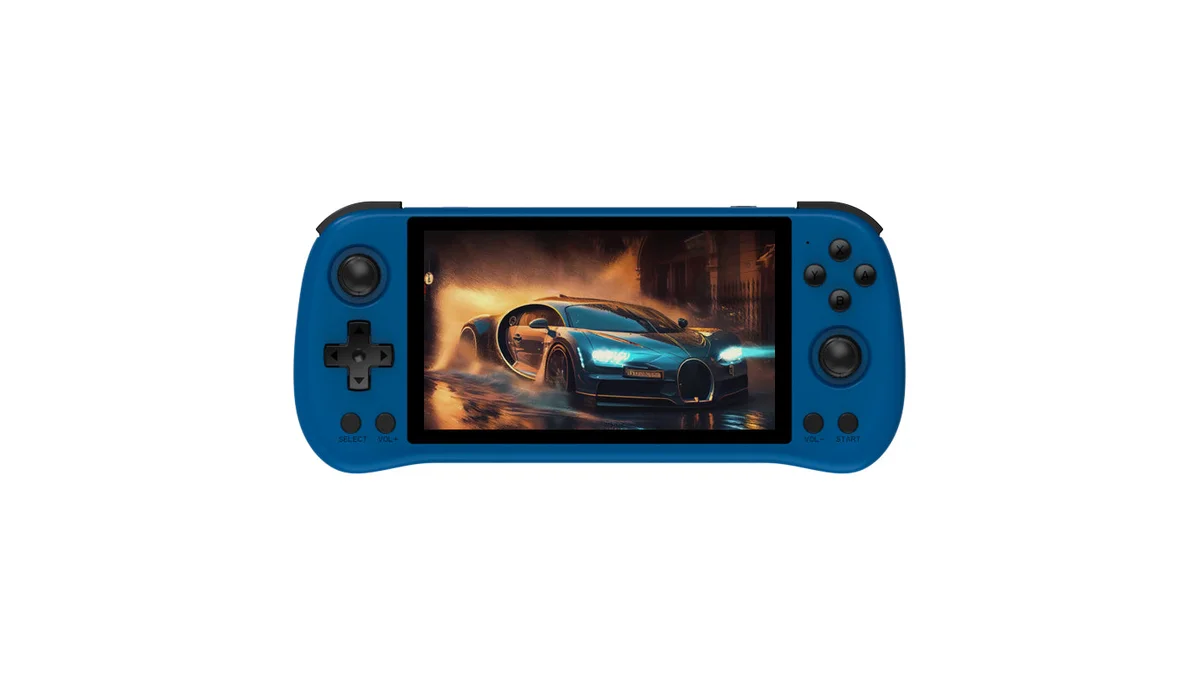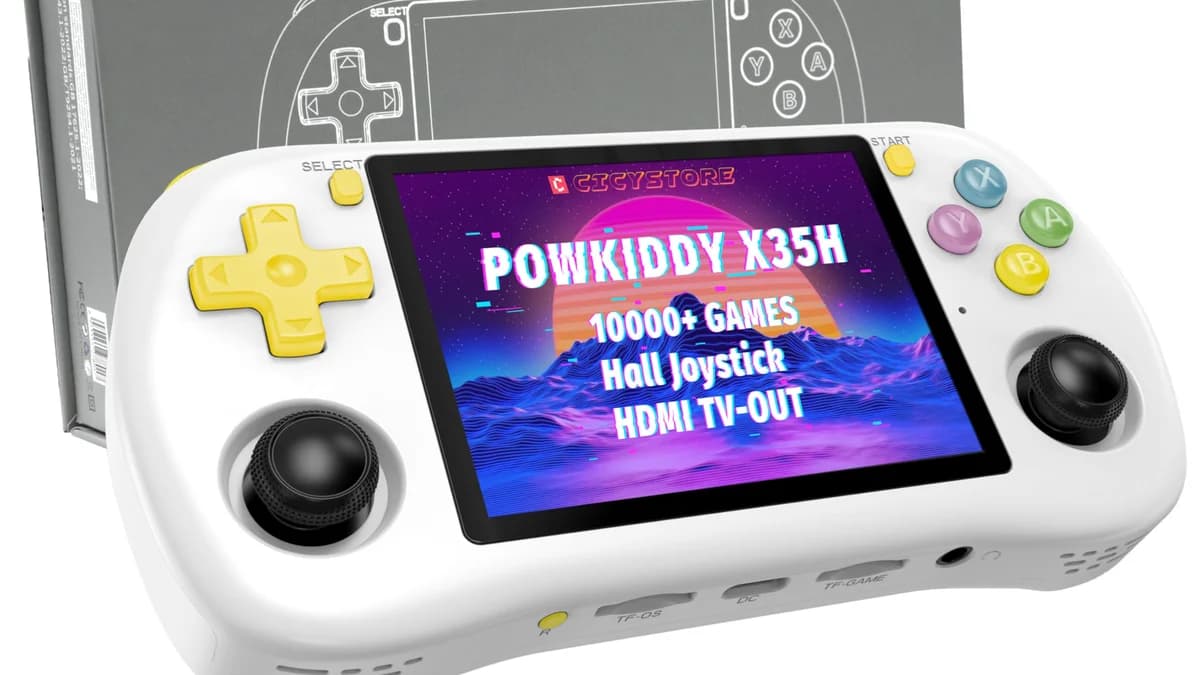
The Powkiddy X35H arrived in early 2025 as the company's answer to a simple question: what if we took the proven RK3566 chipset and packaged it in a more compact, affordable form factor? At $59.99 (or around $49.99 with frequent coupon codes), it's one of the cheapest ways to get into horizontal handheld gaming with a chip that can handle PS1 and light PSP duties. But in a market increasingly crowded with excellent options from Anbernic, Retroid, and even Powkiddy's own lineup, the X35H struggles to carve out a distinct identity.
After weeks of testing across multiple firmware options and dozens of hours of gameplay, our verdict is clear: the X35H is competent but not compelling. It's the definition of "fine"—a device that doesn't do anything egregiously wrong but fails to give buyers a compelling reason to choose it over similarly priced alternatives.
Specifications Overview
| Component | Specification |
|---|---|
| Processor | Rockchip RK3566 (Quad-core Cortex-A55 @ 1.8GHz) |
| GPU | Mali-G52 |
| Display | 3.5-inch IPS LCD, 640×480 (4:3 aspect ratio) |
| RAM | 1GB LPDDR4X |
| Battery | 3000mAh |
| Storage | Dual microSD card slots |
| Connectivity | Bluetooth (yes), Wi-Fi (external dongle only) |
| Ports | Mini HDMI, 2x USB-C, 3.5mm headphone jack |
| Dimensions | 150 × 77 × 25mm |
| Weight | 181 grams |
| OS | PowkiddyOS (Linux-based), GammaOS Core (Beta), ROCKNIX |
| Colors | Transparent Blue, Transparent Black, Orange, White |
The spec sheet reveals both the X35H's strengths and limitations. The RK3566 is a proven chip that delivers reliable performance for retro gaming, and the 3.5-inch 4:3 screen is ideal for classic systems. But the 1GB RAM and lack of built-in Wi-Fi immediately mark this as a budget device with compromises.
What's Good: The Highlights
Correct D-Pad Placement
Powkiddy finally got the D-pad placement right. Unlike previous horizontal devices from the company that inexplicably placed the analog stick above the D-pad, the X35H positions the D-pad where it belongs: directly above the left analog stick. This is the correct layout for retro gaming, and it's refreshing to see Powkiddy acknowledge what enthusiasts have been saying for years.
That said, the D-pad isn't perfect. Reviews note it can be slippery and slightly over-sensitive, occasionally registering diagonals when you want pure cardinal directions. For fighting games and precision platformers, this can be frustrating. But compared to the layout disasters of past Powkiddy devices, it's progress.
Hall Effect Analog Sticks
The inclusion of Hall effect sticks at this price point is genuinely impressive. These drift-resistant sticks use magnetic sensors rather than mechanical potentiometers, meaning they should last years without the stick drift issues that plague budget handhelds. The sticks are smaller than those on premium devices but feel precise enough for the systems this handheld targets.
Build Quality Improvements
Powkiddy has historically been criticized for flimsy plastics and questionable construction. The X35H represents a step forward—the plastic is thicker and more substantial than previous devices, giving it a more premium feel than the price suggests. The transparent color options (Blue and Black) look particularly nice, showing off the internal components with a retro-futuristic aesthetic.
At 181 grams, the X35H is notably lighter than the 220g+ devices becoming common in this space. The compact 150mm length fits comfortably in pockets and small bags, making this a genuinely portable option compared to the 5.5-inch+ handhelds dominating the market.
The Screen
The 3.5-inch 640×480 IPS panel won't win any awards for brightness or contrast, but it's perfectly adequate for retro gaming. The 4:3 aspect ratio is ideal for pre-PSP handhelds and 16-bit consoles, eliminating the black bars that plague 16:9 displays when playing SNES or Genesis games. Integer scaling works beautifully here, making pixel art look crisp and authentic.
PowkiddyOS: A Fresh Start
The X35H is the first device to launch with PowkiddyOS, the company's new custom Linux-based operating system. While it's still rough around the edges compared to mature alternatives like ROCKNIX or GammaOS, it represents a promising direction. The interface is cleaner than Powkiddy's previous stock firmware, and the company appears committed to updates.
For those who prefer established options, ROCKNIX is available as a community-supported alternative, delivering better performance and more features. GammaOS Core (Beta) is also an option for users wanting Android compatibility.
What's Not Good: The Compromises
No Built-In Wi-Fi
This is the X35H's most glaring omission. In 2025, a handheld without built-in Wi-Fi feels antiquated. While you can add connectivity via USB-OTG adapters (RTL8723BU, 8812AU, 8821CU chips work), this is a clunky solution that undermines the device's portability. No Wi-Fi means no wireless game transfers, no online multiplayer, no cloud save syncing, and no easy firmware updates without removing the SD card.
For a device marketed as a modern retro gaming solution, the lack of built-in wireless connectivity is a significant drawback. Competitors like the Anbernic RG35XX series include Wi-Fi at similar price points, making this omission hard to justify.
Loud, Clicky Buttons
The X35H's button acoustics are divisive. The shoulder buttons in particular are loud and clicky—satisfying for some, annoying for others, and potentially problematic for late-night gaming sessions with partners or roommates nearby. The face buttons are flat-topped and clacky, lacking the refined feel of Anbernic or Retroid offerings.
This isn't a dealbreaker, but it speaks to the X35H's budget positioning. These are the kinds of corners that get cut to hit a $60 price point.
Saturn Emulation Issues
While the RK3566 handles most systems admirably, Sega Saturn emulation shows its limitations. Reviewers report frameskip issues and inconsistent performance that detract from the experience. Games like Panzer Dragoon Saga and Radiant Silvergun—titles that make Saturn emulation desirable in the first place—suffer from stuttering that more powerful chips avoid.
For Saturn enthusiasts, this is disappointing. The console's complex architecture has always been challenging to emulate, and the X35H's 1GB RAM and Mali-G52 GPU combination struggles where competitors with similar chips (but better optimization) succeed.
A Crowded Market
Perhaps the X35H's biggest problem isn't the device itself—it's everything else available in early 2025. Consider the competition:
| Device | Price | Key Advantages over X35H |
|---|---|---|
| Anbernic RG35XX Plus | $85 | Built-in Wi-Fi, better build quality, mature CFW ecosystem |
| Anbernic RG40XX H | $69 | Better D-pad, built-in Wi-Fi, larger screen |
| Powkiddy X55 | $80 | 5.5-inch screen, 2GB RAM, better Portmaster support |
| Powkiddy RGB10MAX3 | $70 | 5-inch 720p screen, ergonomic grips, 4000mAh battery |
| Miyoo Mini Plus | $65 | Better screen, superior community support, more portable |
The X35H sits awkwardly in this landscape. It undercuts the Anbernic options by $20-30 but lacks features (Wi-Fi, better build) that justify the competitor's premium. It's cheaper than the X55 and RGB10MAX3 but sacrifices significant screen real estate and RAM. And it's barely cheaper than the Miyoo Mini Plus, which offers a better overall experience for classic 8/16-bit gaming.
Real-World Performance
For the systems it targets, the X35H performs adequately:
Flawless:
- NES, SNES, Game Boy/Color/Advance
- Genesis/Mega Drive, Master System
- Neo Geo, PC Engine
- PlayStation 1 (excellent compatibility)
Good:
- Nintendo 64 (most titles)
- Dreamcast (lighter games)
- PSP (simpler 2D titles)
Struggling:
- Sega Saturn (frameskip issues)
- Demanding PSP 3D games
- Anything beyond the 5th generation
The 1GB RAM is the primary bottleneck. While sufficient for standalone emulators, it limits multitasking and prevents some advanced features from working smoothly. The dual microSD slots (one for OS, one for games) provide flexibility, but the lack of internal storage beyond the OS partition means you're dependent on SD cards for everything.
Custom Firmware: The Saving Grace?
ROCKNIX support gives the X35H a lifeline. This mature Linux distribution extracts more performance from the RK3566 than PowkiddyOS, with better power management and more features. Installation is straightforward, and the community provides ongoing support.
GammaOS Core (Beta) offers an Android-like experience for those who prefer that ecosystem, though it's less mature than the Linux options.
If you're willing to immediately replace the stock OS, the X35H becomes a more compelling proposition. But out-of-box experience matters, and PowkiddyOS still needs significant refinement to compete with the polished firmware on competing devices.
Controller Support
The X35H doubles as a Bluetooth controller for other devices—a nice bonus feature that extends its utility. It supports up to two external controllers for local multiplayer, and the USB-C ports allow wired controller connections as well. This flexibility is genuinely useful for couch gaming sessions or using the handheld as a controller for emulation on PC or other devices.
Who Should Buy the X35H?
Consider the X35H if:
- You want the cheapest possible RK3566 device
- The 3.5-inch 4:3 form factor specifically appeals to you
- You immediately plan to install ROCKNIX or GammaOS
- Hall effect sticks are a priority at this price point
- You don't need Wi-Fi and prefer offline gaming
- You already have other handhelds and want a "beater" device for travel
Skip it if:
- Wi-Fi connectivity is important to you
- You want a polished out-of-box experience
- Saturn emulation is a priority
- You can stretch your budget to $80-90 (better options exist)
- You prefer larger screens for PSP/PS1 gaming
- Loud buttons would bother you or others nearby
The Verdict
The Powkiddy X35H is a competent device that arrives at an awkward time. In a vacuum, it's a solid $60 handheld with decent performance, acceptable build quality, and the right chip for PS1-era gaming. But handhelds don't exist in a vacuum, and the competition has never been fiercer.
At $60, the X35H is a reasonable value. At $50 with coupon codes, it's genuinely attractive for budget-conscious buyers willing to tinker. But it never quite gives you a reason to choose it over the slightly more expensive alternatives that offer Wi-Fi, better build quality, or larger screens.
The "resounding 'eh'" sentiment from early reviews captures it perfectly. The X35H isn't bad—it's just unnecessary in a market where competitors have already solved the problems it addresses, often at similar prices.
If Powkiddy had included built-in Wi-Fi and launched this at $49.99 standard pricing, we'd be having a different conversation. As it stands, the X35H is a fine device that will serve buyers well, but it won't be remembered as a standout in the 2025 handheld lineup.
Rating: 6.5/10 – Competent but crowded out by better alternatives. Buy on sale if the form factor specifically appeals to you, but consider the RG40XX H or X55 for most buyers.