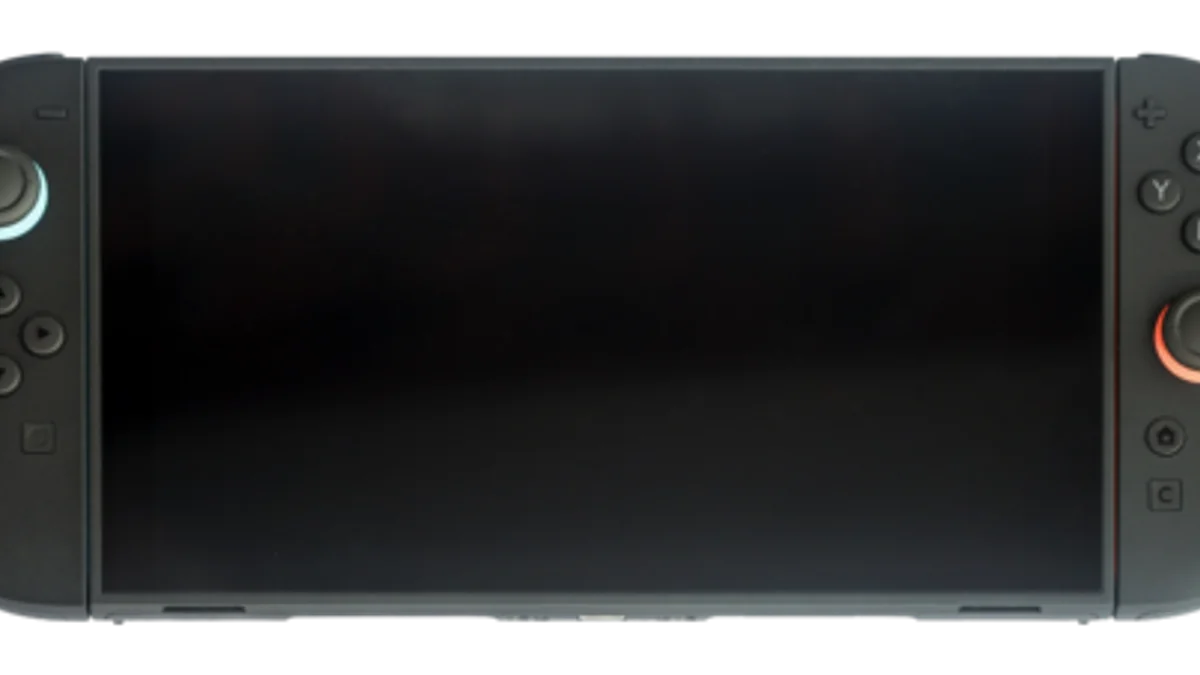
The Nintendo Switch 2 has arrived, bringing with it a 7-inch 120Hz LCD display, NVIDIA custom chip, and a $449 starting price. After years of speculation, we can finally analyze what Nintendo's new hardware means for the broader handheld gaming ecosystem.
The short version: The Switch 2 changes everything and changes nothing, depending on which handheld market segment you care about.
What the Switch 2 Actually Is
Before analyzing impact, let's establish what Nintendo built:
| Spec | Switch 2 | Original Switch |
|---|---|---|
| Display | 7" 1080p 120Hz HDR LCD | 6.2" 720p 60Hz IPS |
| Processor | NVIDIA custom (Ampere-based) | NVIDIA Tegra X1 |
| RAM | 12GB | 4GB |
| Storage | 256GB base | 32GB base |
| Price | $449 | $299 (at launch) |
The hardware is a meaningful leap—roughly 8-10x more powerful than the original Switch based on early benchmarks. It's capable of running modern games like Cyberpunk 2077 and Elden Ring in handheld mode, albeit at reduced settings.
Impact on PC Handhelds (Steam Deck, ROG Ally)
The Switch 2's $449 price point immediately reshapes the PC handheld value proposition.
Pricing Pressure
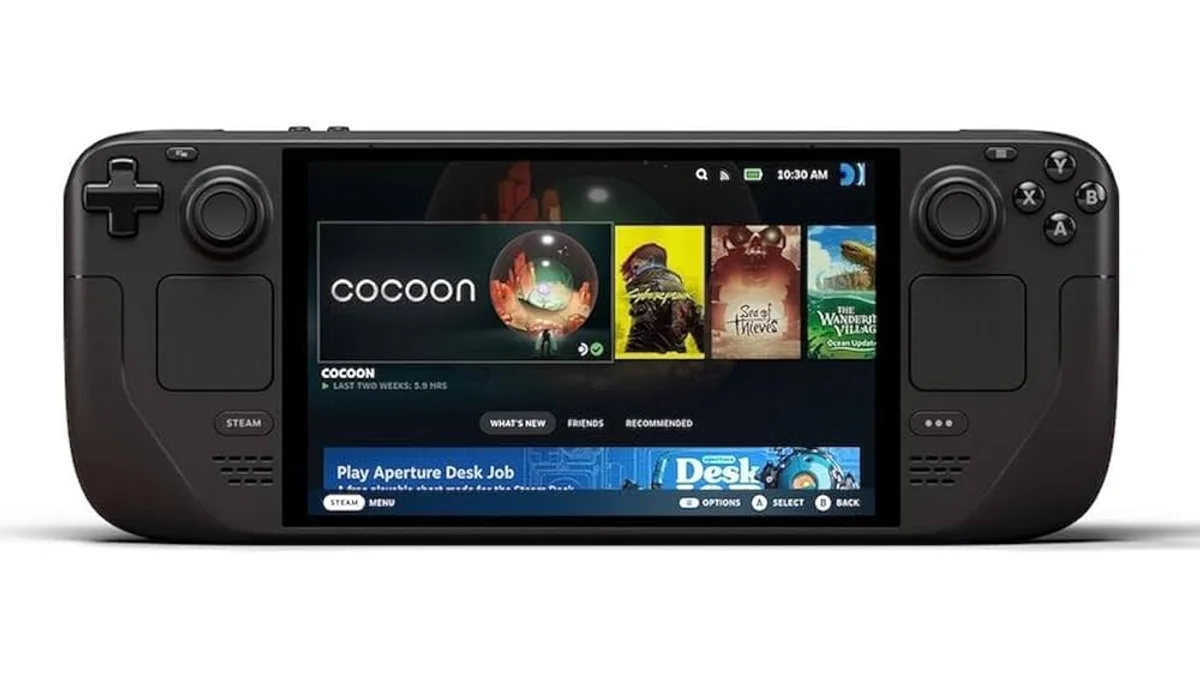
Steam Deck OLED ($549): Still $100 more than Switch 2, but offers:
- Full PC game library (Steam, Epic, Game Pass)
- Superior emulation capabilities
- Open ecosystem
- OLED display (vs Switch 2's LCD)
Verdict: Steam Deck remains viable but looks slightly less attractive to mainstream buyers. Nintendo's pricing is aggressive.
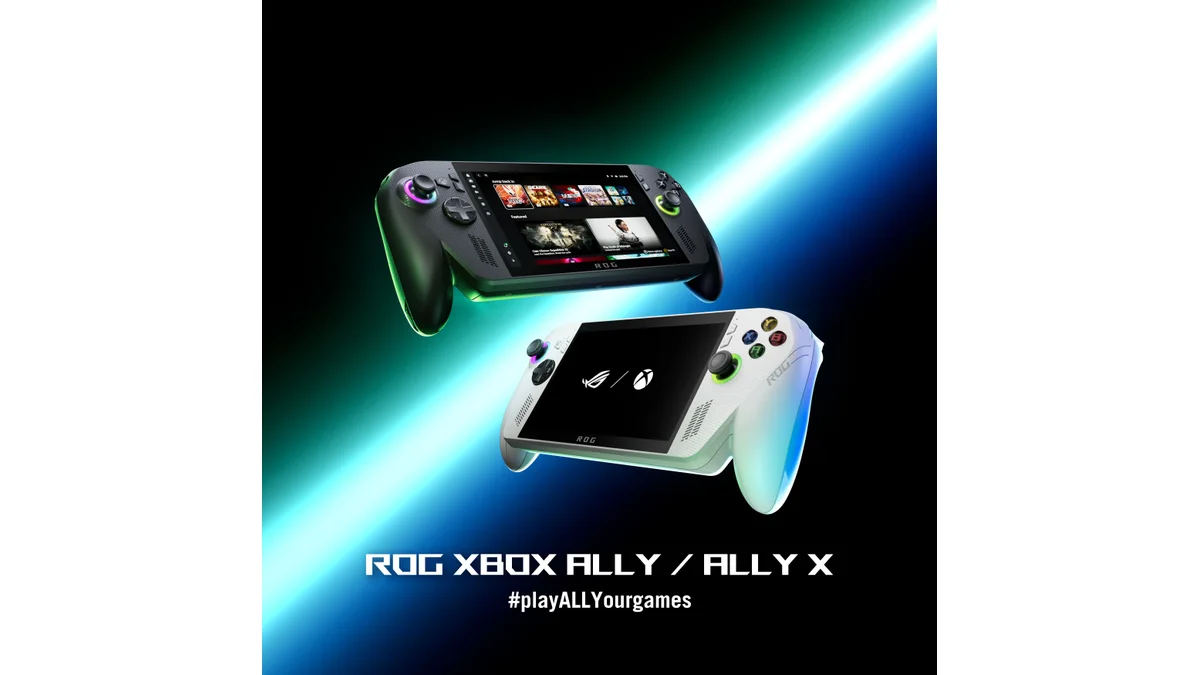
ROG Ally X ($999): More than double the Switch 2's price. The value equation becomes harder to justify for casual buyers, though power users still see the worth in Windows flexibility and raw performance.
The Nintendo Exclusives Factor
The Switch 2's real advantage isn't hardware—it's software. Nintendo's first-party lineup (Zelda, Mario, Smash, Pokemon) remains exclusive and system-selling. PC handhelds can't compete with games that don't exist on their platforms.
Market segmentation:
- Casual gamers: Will increasingly choose between Switch 2 and Steam Deck based on game library preference
- Hardcore gamers: Will own both (Switch 2 for exclusives, PC handheld for everything else)
- Budget buyers: Steam Deck LCD at $399 remains the best value for PC gaming
Impact on Android Emulation Handhelds
Here's where things get interesting. The Switch 2 has minimal direct competition with Android handhelds, but several indirect effects are emerging.
The Emulation Question
Nintendo's post-Yuzu legal aggression sent shockwaves through the emulation community. The implications for Android handhelds:
1. Switch Emulation Chilling Effect
- Yuzu and Ryujinx are gone or transformed
- Skyline (Android Switch emulator) development halted
- Remaining Switch emulators are cautious and low-profile
For Android handheld users:
- Switch emulation was always marginal on Android anyway
- The loss primarily affects Windows handhelds (Yuzu's primary platform)
- PS2/GameCube/3DS emulation remains unaffected
2. The Homebrew Scene Nintendo's hardware has historically been hackable, enabling homebrew and emulation on Switch itself. Early signs suggest Switch 2 security is tighter. If unhackable, demand for separate emulation devices may actually increase.
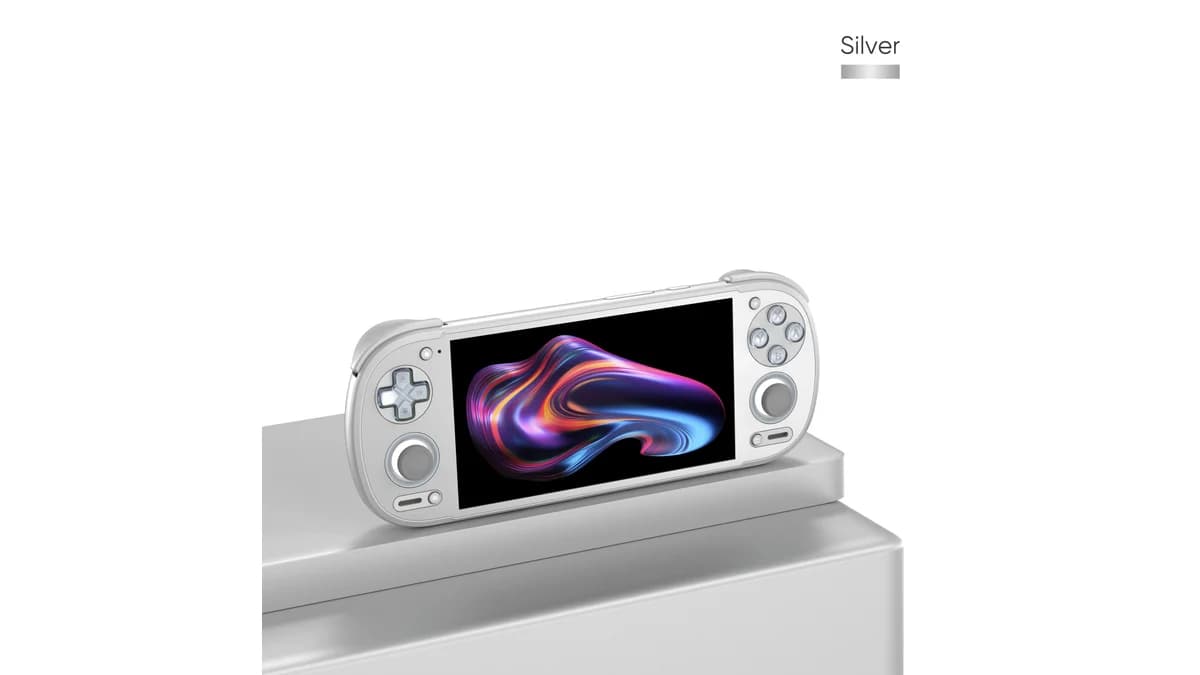
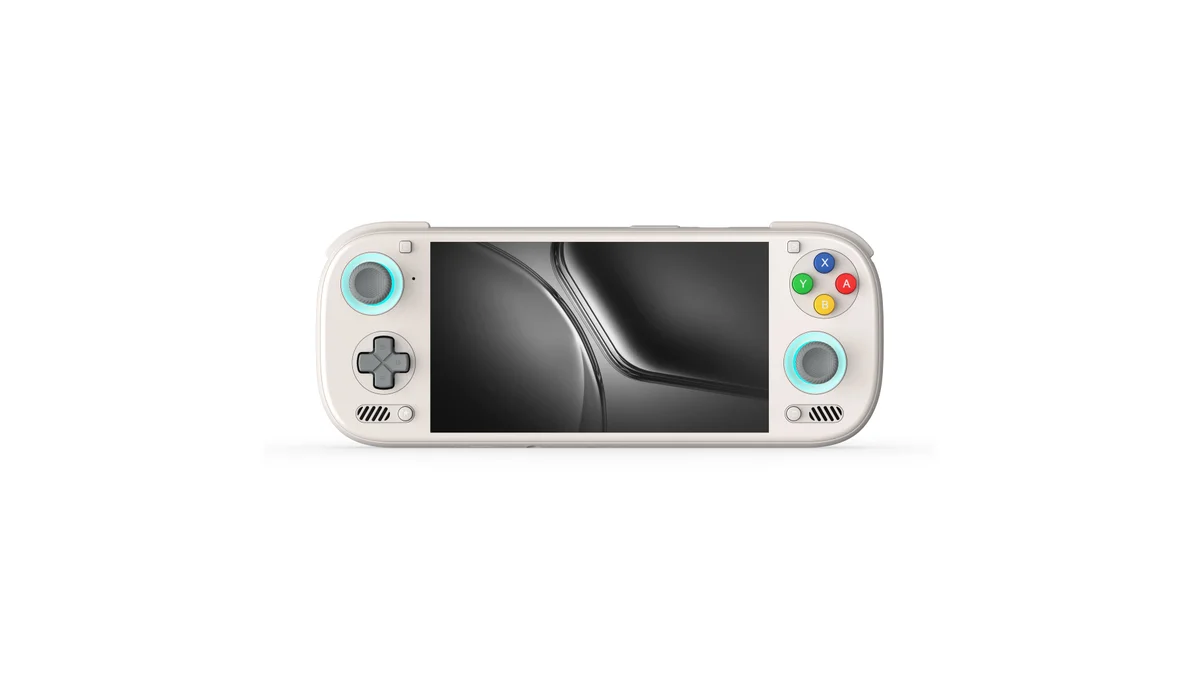
Verdict: Android handhelds like Retroid Pocket 6 and AYN Odin 3 remain the best way to play retro Nintendo games (through N64/GBA/DS). The Switch 2 doesn't change this—if anything, Nintendo's legal stance reinforces the value of dedicated emulation hardware.
The Pricing Floor
Nintendo's $449 price sets expectations. Suddenly, a $229 Retroid Pocket 6 looks like an incredible value for retro gaming. The Switch 2 helps position budget Android handhelds as "the cheap option that plays everything old" versus "the expensive option that plays new Nintendo games."
The Dual-Screen Connection
An interesting wrinkle: The Switch 2's rumored DS/3DS backward compatibility never materialized. Nintendo abandoned the dual-screen format entirely.
This leaves a gap filled by:
- AYN Thor ($249-299): Native dual-screen Android handheld
- AYANEO Pocket DS ($499+): Windows dual-screen device
- Other clamshells: Retroid Pocket Flip 2, various Anbernic models
For DS/3DS enthusiasts, the Switch 2 offers nothing. Dedicated dual-screen handhelds gain appeal as the only way to play these libraries authentically.
Should You Buy a Switch 2 and an Emulation Handheld?
This is the question we're hearing most. The answer depends on your gaming habits.
Buy Both If:
- You love Nintendo exclusives (Zelda, Mario, Pokemon, Smash)
- You have a substantial retro library you want to revisit
- You travel frequently and want options
- Budget allows ($449 Switch 2 + $229 Pocket 6 = $678 total)
Skip Switch 2, Keep Emulation Handheld If:
- You don't care about Nintendo exclusives
- Your retro library is your priority
- You prefer open ecosystems
- You already have a gaming PC for modern titles
Buy Switch 2, Skip Emulation Handheld If:
- Nintendo games are 90%+ of your gaming
- You don't own retro game libraries
- You prefer official, supported experiences only
Market Predictions: The Next 12 Months
Based on Switch 2's launch, here's what we expect:
1. PC Handheld Price Adjustments
Steam Deck 2 rumors will intensify. Valve may drop Steam Deck OLED pricing to $499 or $449 to match Switch 2. ASUS and Lenovo will likely offer deeper sales on Windows handhelds.
2. Android Handhelds Get Cheaper
The $229 Retroid Pocket 6 looks even better against a $449 Switch 2. Expect aggressive pricing from Retroid, AYN, and Anbernic to capture budget-conscious buyers.
3. The "Third Device" Strategy
Hardcore gamers increasingly own three handhelds:
- Switch 2 (Nintendo exclusives)
- Steam Deck or Windows handheld (PC gaming)
- Android handheld (retro emulation)
This three-device strategy becomes normalized, with each device serving distinct purposes.
4. Cloud Gaming Integration
Nintendo's limited online infrastructure contrasts with Xbox and Steam. Cloud gaming handhelds (Logitech G Cloud) may gain traction as a "Switch 2 companion" for Xbox/PC games without buying a second expensive device.
The Bottom Line
The Switch 2 is excellent hardware at an aggressive price. It challenges PC handhelds on value and reinforces Nintendo's ecosystem lock-in. But it doesn't replace dedicated emulation handhelds—it complements them.
For retro gaming enthusiasts: Keep your Retroid Pocket 6 or AYN Odin 3. The Switch 2 doesn't play your PS2, GameCube, or DS libraries. If anything, Nintendo's anti-emulation stance makes dedicated Android handhelds more important.
For general gamers: The Switch 2 vs Steam Deck decision now comes down to game library preference. Both are excellent devices at similar price points.
For collectors: You'll end up with both. The Switch 2 for Nintendo games, an Android handheld for everything else, and possibly a Steam Deck for PC titles. The era of the "one handheld to rule them all" is over.
The handheld gaming market has never been healthier—or more fragmented. Choose the devices that serve your specific needs, and don't worry about finding one that does everything. None exist anymore.