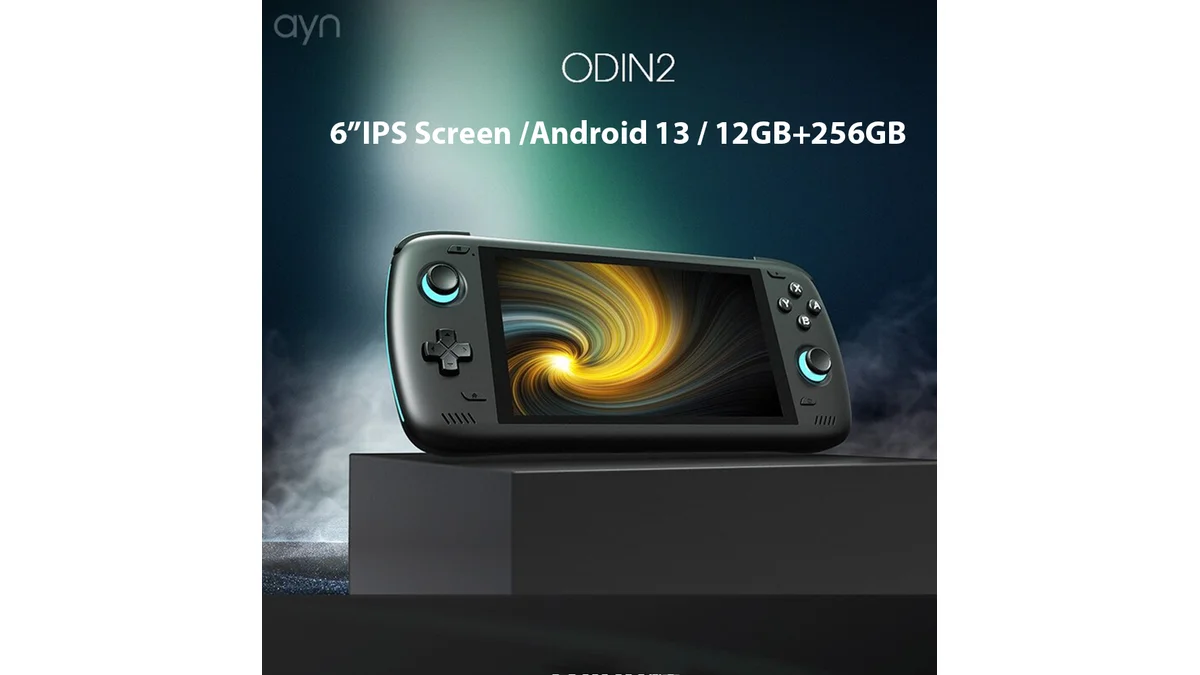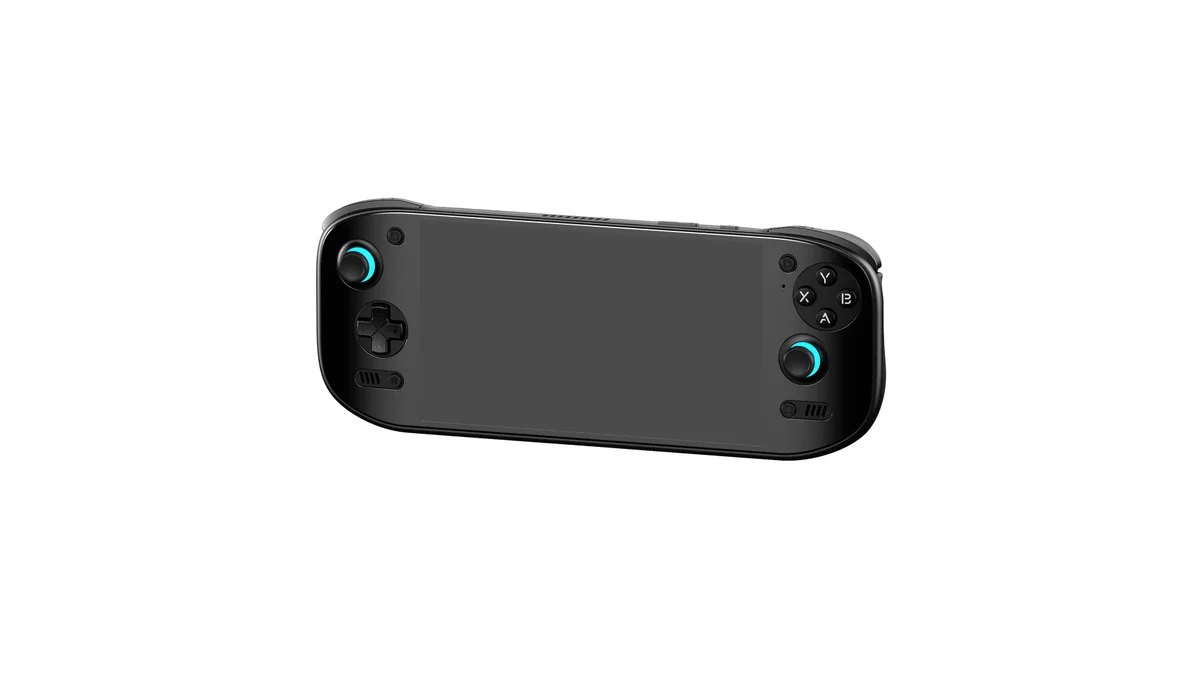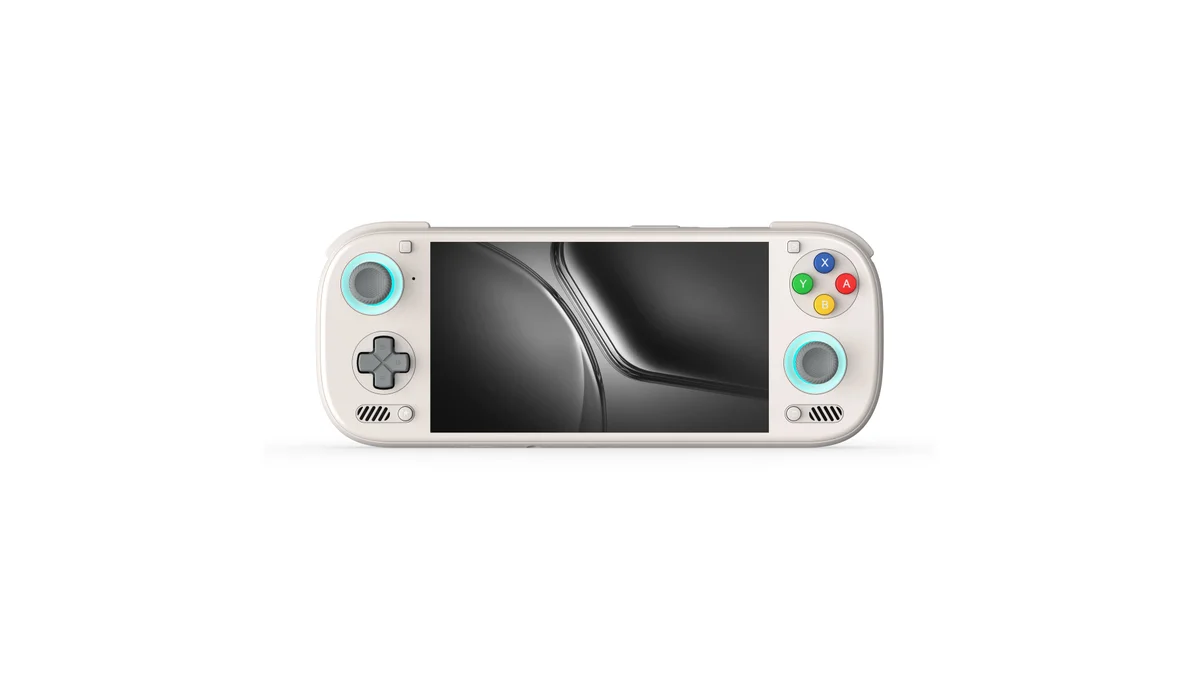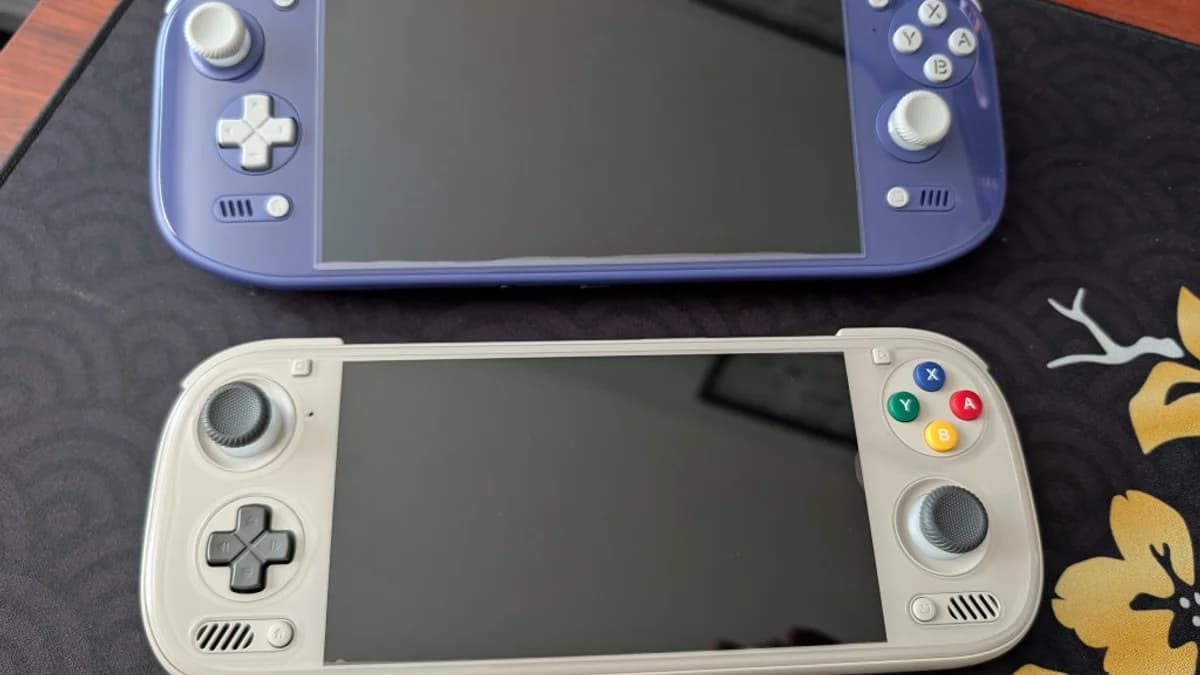
The AYN Odin 3 has officially launched as the successor to one of the most beloved Android handhelds ever made. With the Odin 2 now discontinued and selling at clearance prices as low as $249 for the Portal variant source, gamers face a genuine dilemma: grab the proven performer at a discount, or pay the premium for next-generation hardware?
This comparison breaks down everything that matters—from raw performance to display quality to real-world emulation capabilities—to help you make the right choice for your budget and gaming needs.
At a Glance: Key Differences
| Feature | AYN Odin 2 | AYN Odin 3 |
|---|---|---|
| Chipset | Snapdragon 8 Gen 2 | Snapdragon 8 Elite (Dragonwing Q8) source |
| CPU | Cortex-X3, up to 3.2GHz | Oryon CPU, up to 4.32GHz |
| GPU | Adreno 740 | Adreno 830 |
| Display | 6" IPS LCD, 1080p, 60Hz | 6" AMOLED, 1080p, 120Hz source |
| Brightness | ~400 nits | 650 nits peak source |
| Battery | 8000mAh | 8000mAh |
| Weight | 420g | 390g source |
| OS | Android 13 | Android 15 |
| WiFi | WiFi 7 | WiFi 7 |
| Storage | UFS 3.1/4.0 | UFS 3.1 (Base) / UFS 4.0 (Pro+) source |
Current Pricing: A Complicated Picture
The Odin 2 vs Odin 3 pricing comparison isn't straightforward because AYN has shifted strategy between Indiegogo crowdfunding and retail availability.
AYN Odin 2 (Discontinued - Clearance)
The original Odin 2 is officially discontinued as of early 2025. Remaining stock was liquidated with the Odin 2 Portal (OLED variant) dropping to $249 for the base model—an exceptional value that sold out quickly source. Finding a new Odin 2 at retail is now difficult, though used units appear on secondary markets.
AYN Odin 3 (Available Now)
| Model | RAM | Storage | Price | Notes |
|---|---|---|---|---|
| Base | 8GB | 128GB UFS 3.1 | $329-339 | Entry level, slower storage source |
| Pro | 12GB | 256GB UFS 4.0 | $399 | Sweet spot configuration |
| Max | 16GB | 512GB UFS 4.0 | $449 | Power user option |
| Ultra | 24GB | 1TB UFS 4.0 | $519 | Future-proof flagship source |
Important caveat: The Base model's UFS 3.1 storage is significantly slower than the UFS 4.0 found in Pro and above. AYN initially promised UFS 4.0 across all tiers during the Indiegogo campaign but changed this for Batch 6/7, drawing community criticism source.
Performance: Snapdragon 8 Gen 2 vs Snapdragon 8 Elite
The generational leap between these chipsets is substantial. The Snapdragon 8 Elite (branded as Dragonwing Q8 for IoT applications in the Odin 3) represents Qualcomm's biggest architectural shift in years, moving to custom Oryon CPU cores derived from their Nuvia acquisition.
CPU Performance
Independent testing shows the Snapdragon 8 Elite delivering approximately 30-35% better single-threaded performance compared to the Snapdragon 8 Gen 2 found in the Odin 2 source. For emulation specifically:
- PS2 emulation: Both handle full speed, but Odin 3 provides headroom for demanding titles like Shadow of the Colossus at higher internal resolutions
- Switch emulation (Skyline/Strato): Odin 3 achieves playable frame rates in more titles, with less stutter in GPU-bound games
- PS3 emulation (RPCS3): The Odin 3's superior single-threaded performance makes the difference between slideshow and playable in lighter PS3 titles
GPU Performance
The Adreno 830 in the Odin 3 delivers roughly 40% better graphics performance than the Odin 2's Adreno 740 source. This translates to:
- Higher internal resolution multipliers in Dolphin (GameCube/Wii)
- Better frame rate stability in demanding Android native games
- Future-proofing for emulation improvements that leverage newer GPU features
Thermal Management
Both devices feature active cooling, but the Odin 3's lighter weight (390g vs 420g) combined with higher performance output creates a more challenging thermal envelope. Real-world testing shows the Odin 3 sustaining peak performance longer before throttling, but fan noise is slightly more noticeable under sustained load source.
Display: IPS 60Hz vs AMOLED 120Hz
The display upgrade is arguably the most noticeable day-to-day improvement in the Odin 3.
AYN Odin 2 Display
- 6-inch IPS LCD, 1920×1080
- 60Hz refresh rate
- ~400 nits peak brightness
- Good color accuracy but limited contrast
- 16:9 aspect ratio with black bars on 4:3 retro content
AYN Odin 3 Display
- 6-inch AMOLED, 1920×1080 source
- 120Hz refresh rate for smoother UI and compatible games
- 650 nits peak brightness for outdoor visibility source
- 152% sRGB coverage with vibrant, saturated colors
- Perfect blacks and infinite contrast ratio
The 120Hz display makes a tangible difference in Android UI smoothness and supported games. For emulation, fast-paced titles like F-Zero GX (GameCube) or fighting games benefit from reduced motion blur. However, most retro systems targeted by these handhelds cap at 60fps, so the advantage is more about UI responsiveness than game performance.
Battery Life and Charging
Both devices pack identical 8000mAh batteries, but efficiency differs:
- AYN Odin 2: 6-10 hours of emulation depending on system and brightness
- AYN Odin 3: 5-8 hours due to more power-hungry Snapdragon 8 Elite and 120Hz display
The Odin 3 gains 60W fast charging compared to the Odin 2's slower charging rate, partially offsetting the reduced endurance source. Both easily last full days of intermittent gaming; heavy users may need to top up the Odin 3 on intensive days.
Controls and Ergonomics
Shared Features
- Hall effect analog sticks (no drift, excellent precision)
- Hall effect triggers
- Clickable L3/R3
- Programmable back buttons
- Analog L2/R2 triggers
Differences
The Odin 3 is 30 grams lighter (390g vs 420g) despite similar dimensions, achieved through refined internal layout and materials source. Both feature stacked shoulder buttons, though the Odin 3's triggers feel slightly more refined with improved return accuracy after the calibration refinements learned from Odin 2 production.
The Odin 3 adds adjustable RGB lighting on buttons and joysticks—a cosmetic addition that can be disabled for battery savings.
Emulation Capability Comparison
| System | AYN Odin 2 | AYN Odin 3 | Winner |
|---|---|---|---|
| NES/SNES/GB/GBA | Full speed | Full speed | Tie |
| PS1/Dreamcast/N64 | Full speed, upscaled | Full speed, upscaled | Tie |
| PSP | Full speed, 4x resolution | Full speed, 4x+ resolution | Odin 3 |
| DS/3DS | Full speed | Full speed | Tie |
| GameCube/Wii | Full speed, 2-3x IR | Full speed, 4-5x IR | Odin 3 |
| PS2 | Full speed, 2-3x resolution | Full speed, 4-5x resolution | Odin 3 |
| Switch (emulation) | Some playable titles | More playable, less stutter | Odin 3 |
| PS3 (RPCS3) | Limited/slideshow | Light titles playable | Odin 3 |
The Odin 2 remains fully capable for the vast majority of retro gaming through PS2/GameCube era. The Odin 3's advantages primarily manifest in:
- Higher internal resolution multipliers (sharper visuals on high-PPI displays)
- Better frame time consistency (less micro-stutter)
- Future headroom for more demanding emulation as apps improve
- Switch and PS3 viability for a handful of lighter titles
Should You Buy the Odin 2 or Odin 3?
Buy the AYN Odin 2 If:
- You found one at $249-299 clearance pricing
- You primarily play PS2-era and earlier systems
- 60Hz display is sufficient for your gaming
- You prefer proven, mature community support and accessories
- Budget is your primary constraint
Buy the AYN Odin 3 If:
- You want the absolute best Android handheld available
- 120Hz AMOLED and modern display tech matters to you
- You plan to experiment with Switch or light PS3 emulation
- You value future-proofing for next-gen emulation apps
- You're willing to pay $329-449 for the upgrade
Critical Caveat: The Storage Situation
If considering the Odin 3, strongly consider the Pro tier ($399) or above. The Base model's UFS 3.1 storage creates a bottleneck that partially undermines the flagship processor. Loading times in large games (PS2 ISOs, Android native titles) are noticeably slower than the Pro's UFS 4.0 configuration source.
Verdict
The AYN Odin 3 is the objectively superior device, but the value proposition depends entirely on pricing context. If you can secure an Odin 2 Portal at the clearance $249 price, it represents exceptional value that the Odin 3 cannot match at 2x the price. However, at standard retail pricing ($299+ for remaining Odin 2 stock), the Odin 3's generational improvements justify the premium for serious enthusiasts.
For most retro gamers, the Odin 2 remains fully capable and represents the smarter purchase at clearance prices. The Odin 3 is for enthusiasts who demand the bleeding edge, appreciate the 120Hz AMOLED display, and want maximum headroom for future emulation developments.
Bottom line: If you find an Odin 2 at $249-279, buy it without hesitation. If paying $329+, the Odin 3's upgrades are worth the stretch.
FAQ
Q: Is the AYN Odin 3 more powerful than the AYN Thor? A: Yes. While both are flagship Android handhelds from AYN, the Odin 3 uses the Snapdragon 8 Elite (or Dragonwing Q8) which delivers significantly more raw power than the Thor's chipset. The Odin 3 is positioned as the performance flagship in AYN's 2025 lineup source.
Q: When did the AYN Odin 3 release? A: The Odin 3 launched on Indiegogo in September 2025, with general retail availability starting in November 2025. As of April 2026, it is readily available from AYN's official store with Batch 7 shipping in mid-June source.
Q: Is AYN a Chinese company? A: Yes, AYN Technologies is a Chinese manufacturer specializing in Android gaming handhelds. They gained prominence with the original Odin (2022) and have since expanded to the Odin 2, Odin 2 Mini, Odin 2 Portal, Thor, and now Odin 3 source.
Q: What is the newest AYN Odin handheld? A: The AYN Odin 3 is the newest flagship, released in late 2025. It is the first AYN device built around the Qualcomm Snapdragon 8 Elite (Dragonwing Q8) SoC, featuring a 120Hz AMOLED display and up to 24GB RAM in the Ultra configuration source.
Q: Should I wait for an Odin 3 price drop or buy now? A: Early 2026 pricing has already seen adjustments from initial Indiegogo early-bird rates. The current $329-339 Base and $399 Pro pricing appears stable for retail batches. If AYN follows historical patterns, significant discounts typically don't appear until successor announcements—likely not until 2027. If you need a handheld now, current pricing is fair; if you can wait, monitor for potential clearance sales on early batches.
Sources
- Notebookcheck: AYN Odin 3 General Release Details
- Notebookcheck: AYN Discontinues Odin 2, Portal at $249
- AYN Official Store: Odin 3 Specifications
- Android Authority: AYN Odin 3 Full Specs Revealed
- DROIX: AYN Odin 3 Review
- Heyup News: AYN Odin 3 Indiegogo Launch
- Retro Handhelds: AYN Thor/Odin 3 Price and Storage Changes
- Reddit r/EmulationOnAndroid: User Comparisons