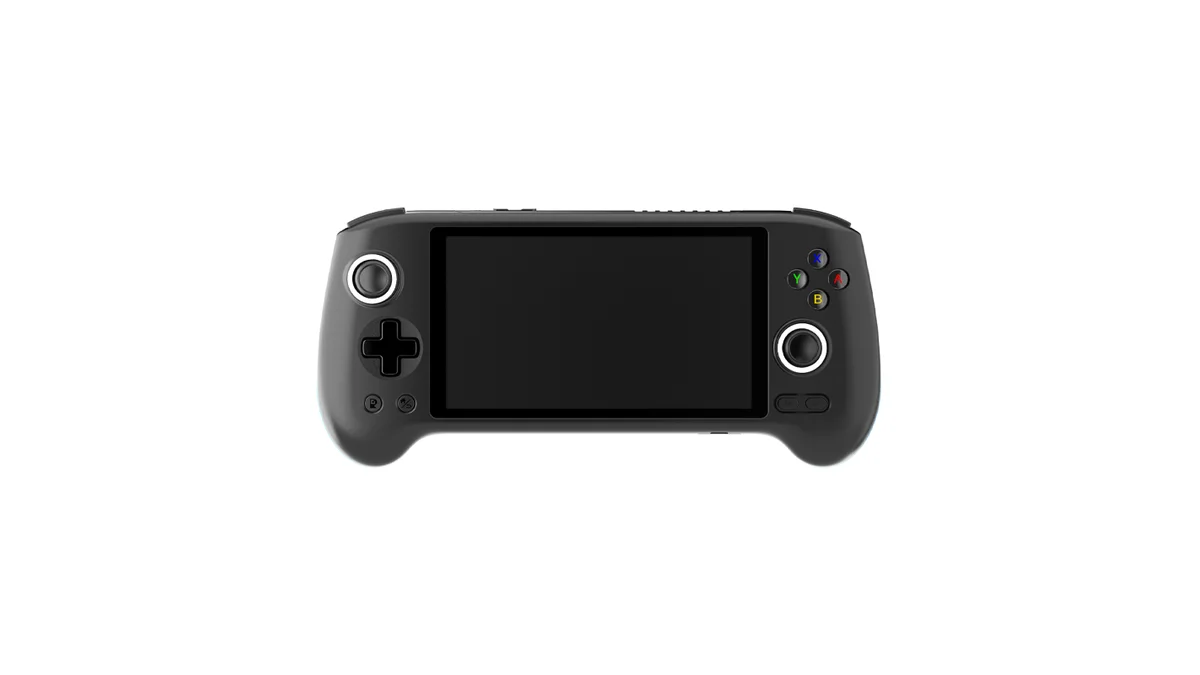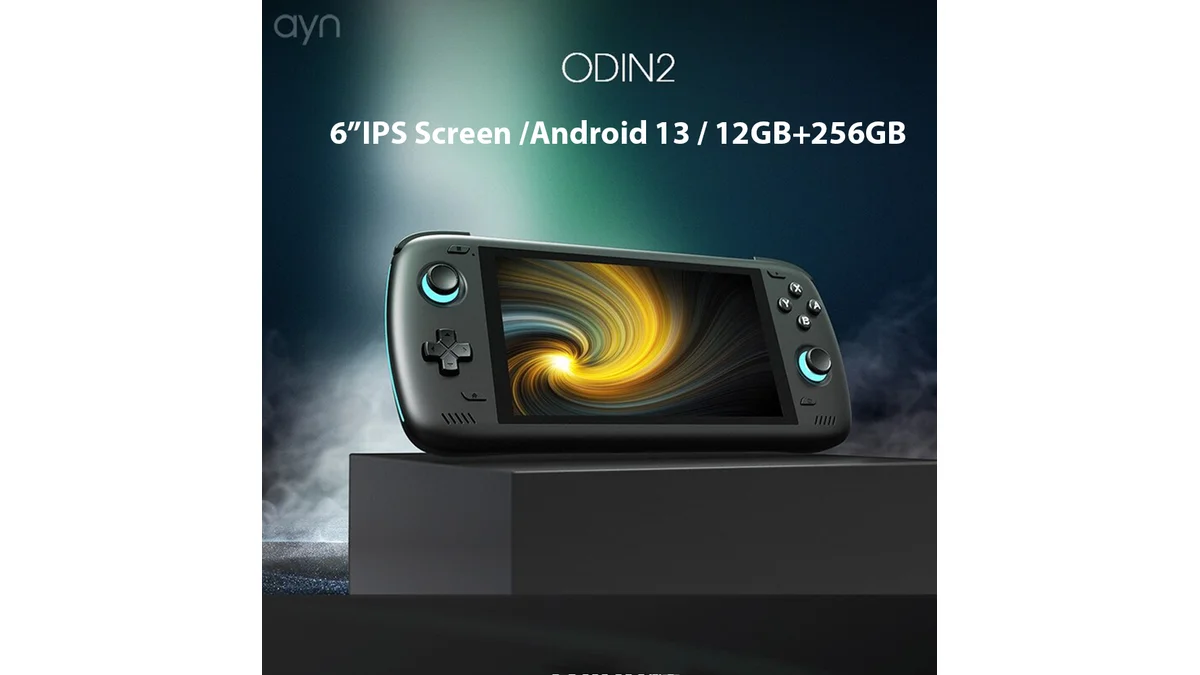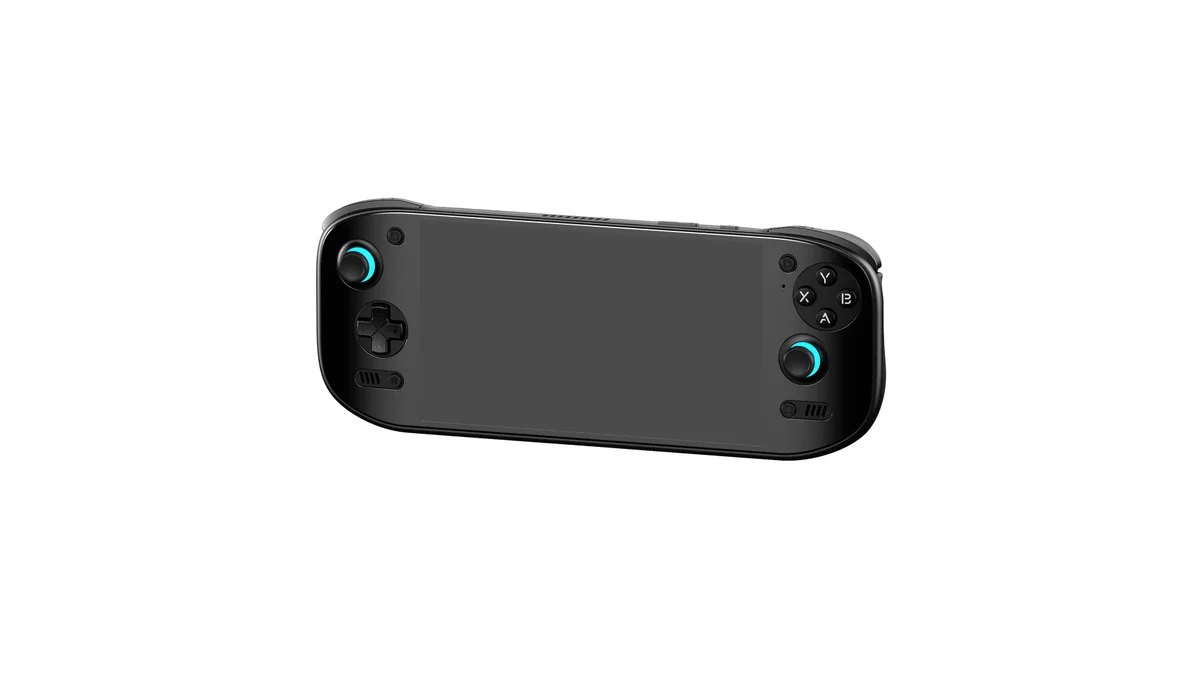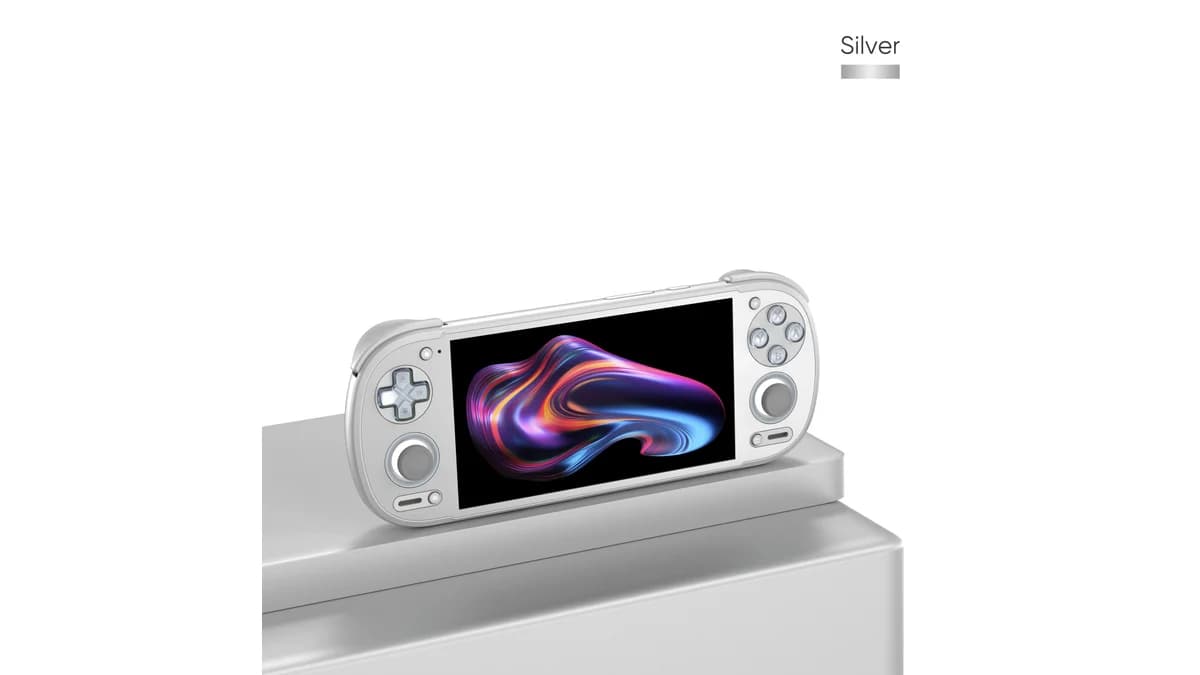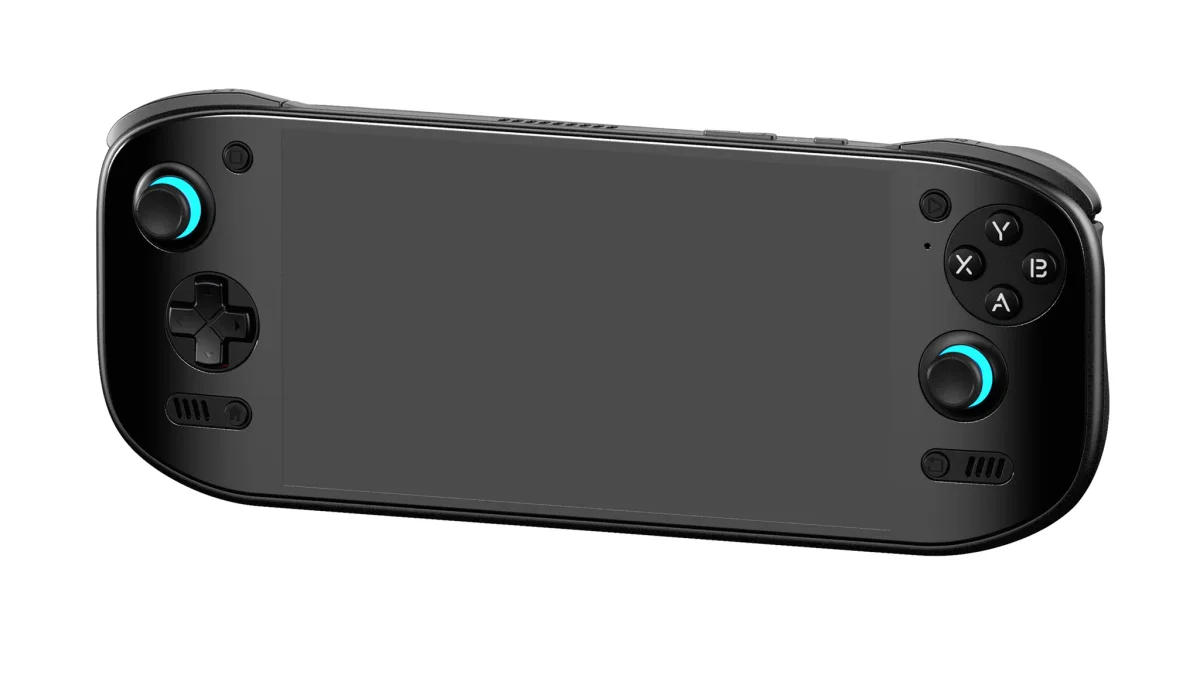
The AYN Odin 2 Portal shouldn't exist. When AYN launched the original Odin 2 in late 2023, it was so far ahead of the competition that many assumed the company would rest on its laurels. Instead, AYN released the Portal in mid-2024—a device that takes the Odin 2's winning formula and improves it in nearly every way that matters.
Nine months later, the Portal remains the benchmark against which all other large-screen Android handhelds are measured. Even as competitors like the Retroid Pocket 6 and Anbernic RG556 have entered the market, the Odin 2 Portal's combination of display quality, battery life, and refined controls keeps it at the top of our recommendation list.
Display: The Upgrade That Changes Everything
The 7-inch 120Hz AMOLED panel is the Portal's headline feature, and it's transformative. After experiencing this display, returning to the original Odin 2's 6-inch 60Hz IPS feels like a significant downgrade.
Display Specifications:
| Feature | Odin 2 Portal | Odin 2 (Original) |
|---|---|---|
| Size | 7 inches | 6 inches |
| Technology | AMOLED | IPS LCD |
| Resolution | 1920×1080 | 1920×1080 |
| Refresh Rate | 120Hz | 60Hz |
| Brightness | 800+ nits | ~400 nits |
| Aspect Ratio | 16:9 | 16:9 |
The jump from LCD to AMOLED isn't subtle—it's revolutionary. Blacks are truly black, colors pop without being oversaturated, and HDR content looks genuinely impressive. The 800+ nits peak brightness makes outdoor gaming feasible, though you'll want to avoid direct sunlight for visibility.
Critical setting: The Portal ships with the display locked to 60Hz by default. Change this immediately to 120Hz in the quick settings panel. The difference in responsiveness and input lag is immediately noticeable, particularly for fast-paced games and scrolling through menus.
One warning: AYN includes a "Black Frame Insertion" option that attempts to reduce motion blur. In testing across multiple emulators and native games, this feature creates noticeable flickering that caused headaches during extended sessions. Your mileage may vary, but we recommend leaving it disabled.
Controls: AYN's Best Yet
If the display is the Portal's obvious upgrade, the controls are its subtle masterpiece. AYN refined every input method from the original Odin 2, creating what Joey from Joey's Retro Handhelds called "as close to perfect as you can get for a handheld's controls."
Analog Sticks
The Portal's sticks are significantly taller than the original Odin 2's—roughly midway between the Odin 2's compact design and a full-size Xbox controller. This increased height provides wider range of motion that benefits modern games, streaming, and any title requiring subtle camera control.
The sticks use hall-effect sensors, eliminating drift concerns. The only criticism is that they're still not quite full-size—a $15 accessory pack from AYN offers larger caps that address this for users wanting console-like analog control.
D-Pad
This is the best D-pad AYN has ever produced. Larger and looser than the Odin 2's without sacrificing accuracy, it excels across genres—platformers feel precise, fighting games accept complex inputs reliably, and menu navigation is effortless. It sits lower (less protrusion) than the original, reducing accidental presses when using face buttons.
Face Buttons
Larger and flatter than the Odin 2's rounded buttons, the Portal's face buttons are closer together and more muted in sound. They maintain the same tactile feel when pressed but with a quieter, more premium action.
Shoulders and Triggers
Both received meaningful upgrades. The shoulder buttons feature textured surfaces for improved grip and offer more travel than the original's mouse-click style mechanism. The triggers are larger with no dead zones, making them genuinely viable for racing games and shooters where analog input matters.
Ergonomics: One Step Forward, One Step Back
The offset control layout—fixing the original Odin 2's non-offset right stick—is a significant improvement. Your thumb no longer collides with the right stick when reaching for face buttons, and the overall hand position feels more natural for extended sessions.
However, the Portal introduces a new issue: the plastic back panel is a fingerprint magnet and genuinely slippery. Without the textured grip of the original Odin 2, the Portal can feel precarious during intense gaming. AYN sells a $15 grip accessory that resolves this, but it's frustrating to need an add-on for what should be standard ergonomics.
The grips themselves are less pronounced than the original Odin 2 but still comfortable. At 450g, the Portal is noticeably heavier than smaller handhelds—you'll feel it during marathon sessions, though the weight distribution is well-balanced.
Performance: Snapdragon 8 Gen 2 Still Dominates
The Portal uses the same Snapdragon 8 Gen 2 found in the original Odin 2, and it's still remarkably capable in 2026. The Adreno 740 GPU handles virtually everything the emulation community throws at it.
Emulation Performance:
| System | Performance | Resolution |
|---|---|---|
| Everything through PS1 | Flawless | Up to 4x |
| N64, Dreamcast, Saturn | Flawless | 3-4x native |
| PSP | Flawless | 5-10x native |
| GameCube/Wii | Excellent | 3x native |
| PS2 | Excellent | 3x native |
| 3DS | Excellent | 2-3x native |
| Switch | Good | 0.5-1x native |
The 7-inch display particularly benefits DS and 3DS emulation. The larger screen makes the dual-screen layout more legible, and the aspect ratio works well for most titles. Skyline and Yuzu Android run most first-party Switch games at playable speeds, though you'll need to tweak settings per-title.
Active cooling with smart/quiet modes keeps thermals reasonable. The fan is audible under heavy load but not distracting, and quiet mode suffices for anything through the PS1 era.
Battery Life: Best in Class
The 8000mAh battery is the Portal's secret weapon. In an era where many handhelds struggle to deliver 4 hours of demanding gameplay, the Portal consistently delivers 6-8 hours depending on workload.
Real-World Battery Tests (100% brightness, 120Hz, WiFi on, Bluetooth off, 10% volume):
| Usage Scenario | Duration |
|---|---|
| Moonlight streaming | 8-10 hours |
| PS2/GameCube emulation | 6-7 hours |
| PSP/3DS emulation | 7-8 hours |
| Standby drain | ~2% per 24 hours |
This is the best battery life of any large-screen Android handheld in 2026. For long flights, road trips, or gaming sessions away from power, the Portal has no equal.
Pricing and Value
| Model | RAM | Storage | Price |
|---|---|---|---|
| Base | 8GB | 128GB | $334 |
| Pro | 12GB | 512GB | $398 |
| Max | 16GB | 1TB | $501 |
The Portal commands a $35-40 premium over the original Odin 2, which is entirely justified by the display and control upgrades. Storage is soldered and non-upgradeable, so choose carefully—128GB fills quickly with PS2/GameCube ROMs and Android games.
Note: The Portal occasionally sees sale pricing around $249-299. At those prices, it becomes an absolute must-buy.
vs. The Competition
| Feature | Odin 2 Portal | Retroid Pocket 6 | Anbernic RG556 |
|---|---|---|---|
| Display | 7" AMOLED 120Hz | 5.5" AMOLED 120Hz | 5.48" AMOLED 60Hz |
| Processor | Snapdragon 8 Gen 2 | Snapdragon 8 Gen 2 | Unisoc T820 |
| Battery | 8000mAh | 6000mAh | 5500mAh |
| Price | $334-501 | $229-299 | $249 |
The Portal wins on display size and battery life. The Retroid Pocket 6 offers better value for those prioritizing portability. The RG556 is outclassed in performance but costs slightly less.
Verdict: 9/10
The AYN Odin 2 Portal is the definitive large-screen Android handheld as of early 2026. The 7-inch 120Hz AMOLED display is genuinely transformative, the refined controls represent AYN at their best, and the exceptional battery life enables gaming sessions that competitors simply can't match.
The slippery back panel is the only significant flaw—a design oversight that should have been caught during testing. Buy the grip accessory, and this becomes a non-issue.
Who should buy the Portal:
- Anyone wanting the best large-screen Android handheld available
- DS/3DS emulation enthusiasts who benefit from the 7-inch display
- Travelers and commuters who need exceptional battery life
- Players who prioritize display quality above all else
Who should skip it:
- Budget-conscious buyers (the Retroid Pocket 6 offers 90% of the experience for less)
- Those prioritizing pocketability (this is a substantial device)
- Users who need HDMI output (the Portal relies on USB-C DisplayPort)
At $334, the Portal is a premium purchase that delivers premium results. Nine months after launch, it remains our top recommendation for anyone seeking the ultimate Android handheld experience.