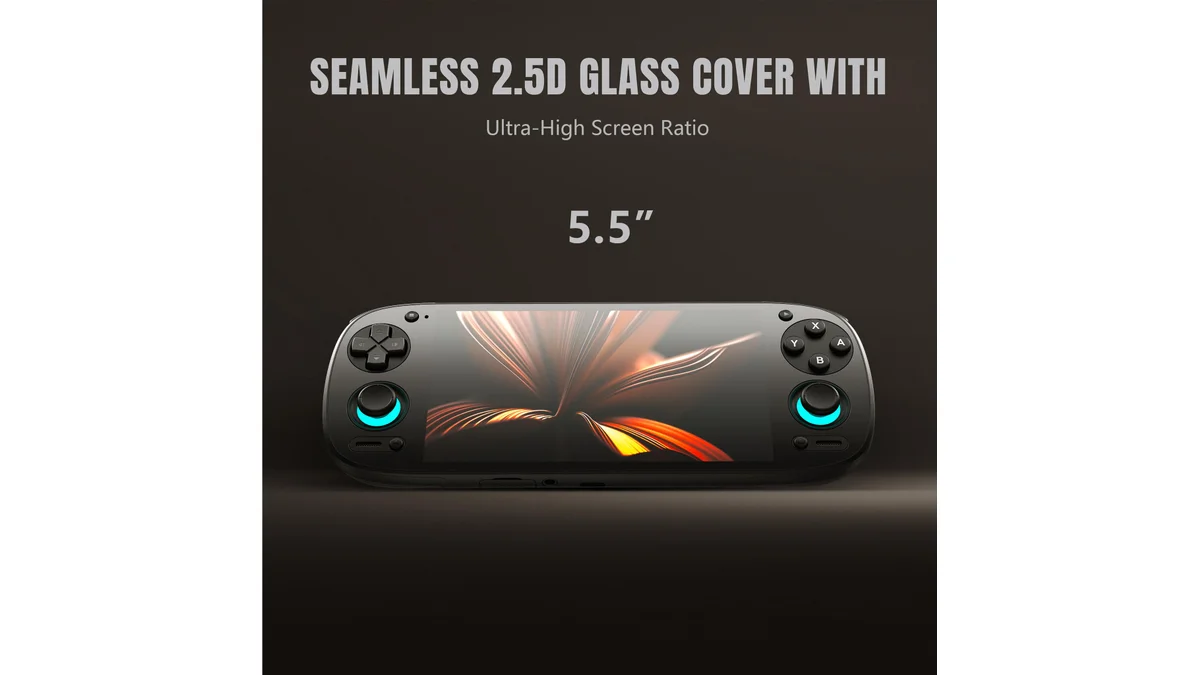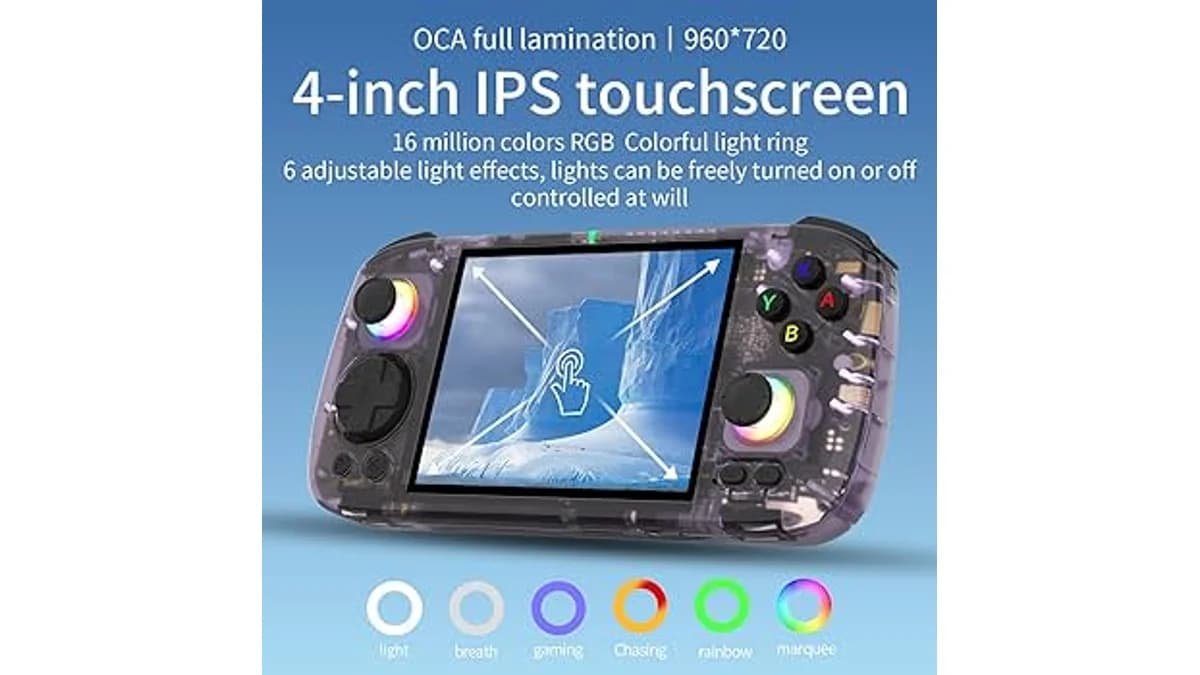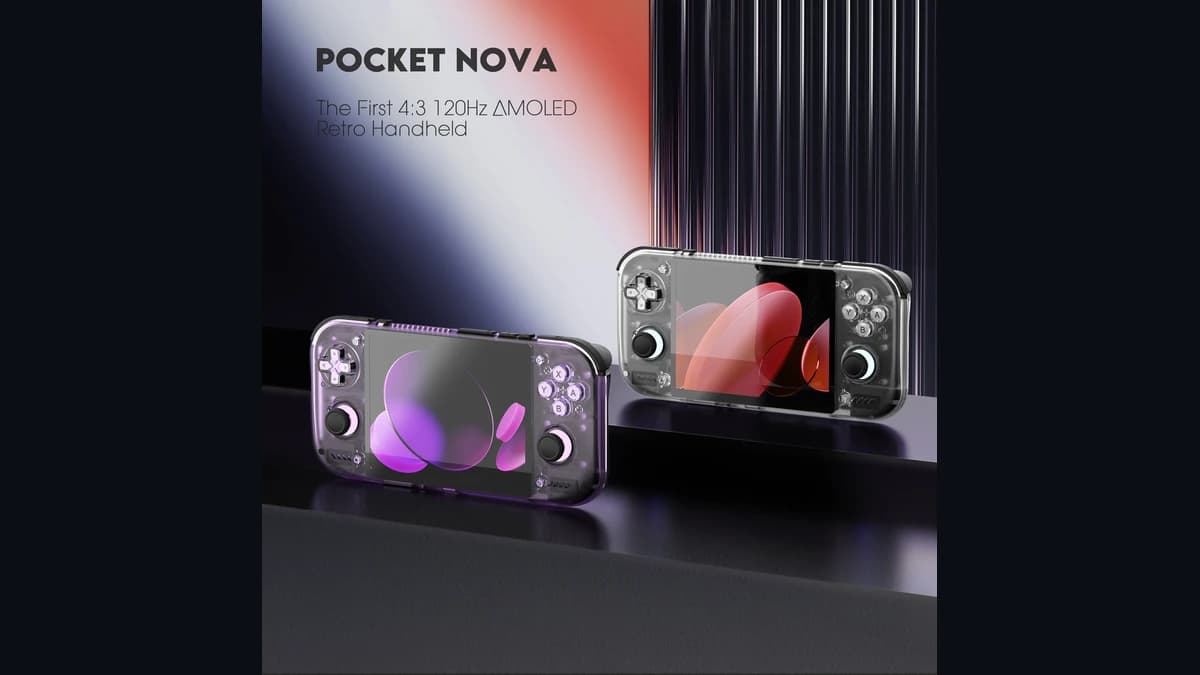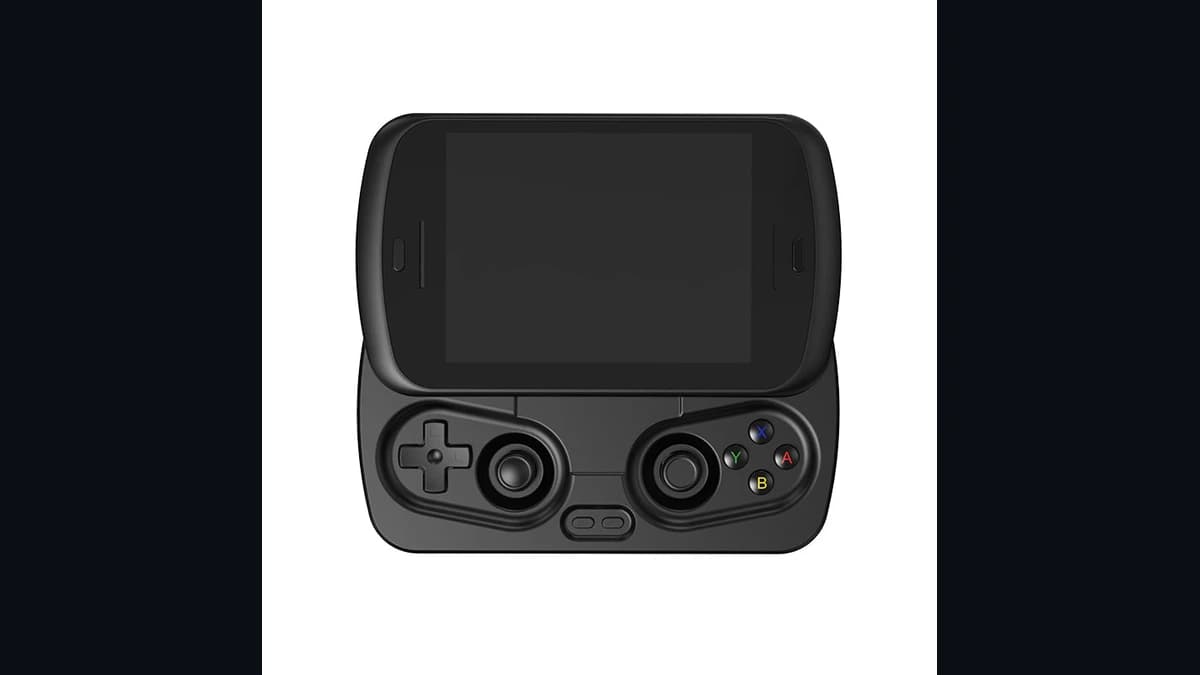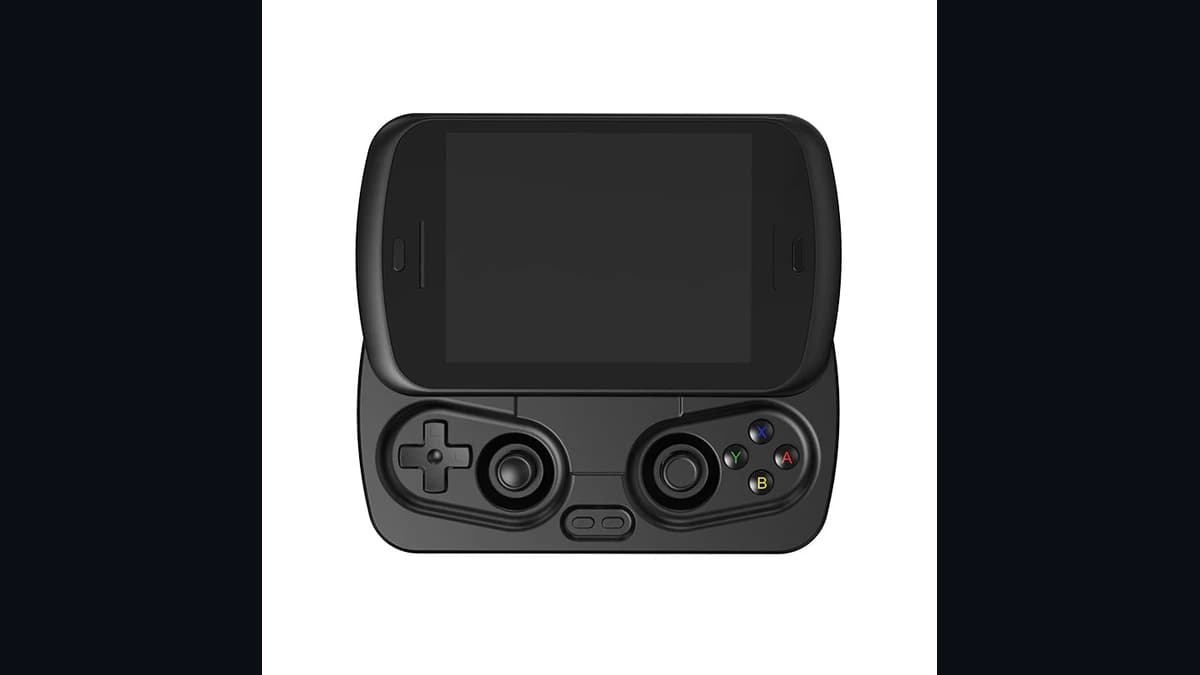
The Anbernic RG Slide is a PSP Go-style Android slider with a 4.7" 1280x960 120Hz 4:3 panel, Unisoc T820 silicon, and a street price of about $149.99 (MSRP $189.99). It is good if you want that sliding form factor and solid up-to-PS2 performance. It is a skip if you care more about pocket weight than novelty: at ~379g and 2.6cm thick, it is heavy for its footprint (Retro Handhelds, Anbernic).
If you only want sixth-gen emulation without the slide, a standard Anbernic RG406H or Retroid Pocket 5 is usually the smarter buy. The Slide exists for people who care about how the device opens.
Specs and Pricing
| Spec | Detail |
|---|---|
| Price | $189.99 MSRP; often ~$149.99 on sale |
| Display | 4.7" LTPS In-Cell, 1280x960, 120Hz, 4:3 |
| CPU | Unisoc T820 (1xA76@2.7 + 3xA76@2.3 + 4xA55@2.1) |
| GPU | Mali-G57 quad-core @ 850MHz |
| RAM / Storage | 8GB LPDDR4X / 128GB UFS 2.2 + microSD up to 2TB |
| OS | Android 13 |
| Battery | 5000mAh (~6 hours claimed), 5V/2A (~3 hours full charge) |
| Weight / Size | ~379g; 15.4 x 9 x 2.6 cm |
| Extras | Sliding controls, active fan + heat pipe, USB-C DP 1080p, 3.5mm, 6-axis gyro, AI assistant features |
Official store page: anbernic.com/products/rgslide. The standard configuration ships without preloaded games or an SD card. Optional 128GB/256GB SD bundles exist if you want media on day one.
See the full catalog entry: Anbernic RG Slide.
Slide Design and Form Factor
The form factor is the entire product pitch. The top half (screen) slides up to reveal face buttons, sticks, and D-pad under a PSP Go / Xperia Play silhouette. Reviewers consistently call the action satisfying: a firm throw, a metallic catch, and a clack that feels engineered rather than toy-like (Retro Handhelds, Retro Game Corps).
Tradeoffs are real:
- Weight: ~379g is denser than most 4.7" class devices. Retro Handhelds noted it can outweigh larger Anbernic models because of metal in the slide rails and frame.
- Thickness: 26mm closed is chunky. Closed pocket carry works in a jacket, not skinny jeans.
- Balance: Opened, mass sits high; bed play can feel top-heavy.
- Durability: Early reviews praise build and smoothness, but any sliding rail is a long-term wear point. Anbernic has a strong recent track record with hinges (RG35XX SP, RG34XXSP), yet years of daily slide cycles remain unproven.
Comfort is better than the weight number suggests. Several testers found multi-hour sessions fine because the device sits in the hands instead of floating like a thin phone slab (Retro Handhelds). If you hate the bulk, the novelty will not save it.
Display
The 4.7" LTPS In-Cell panel is one of the Slide's strongest non-gimmick features. 1280x960 on 4:3 lands near ~340 PPI, which is sharp for integer scaling on 240p and 480p-era systems. The 120Hz refresh rate makes menus and 60fps games feel snappy, and OCA full lamination reduces the air gap that cheap IPS units often show (Anbernic).
Why 4:3 matters here: most retro home consoles (and a huge share of arcade / handheld libraries) prefer square-ish frames. You get less letterboxing than a 16:9 1080p slab for SNES, PS1, Dreamcast, and native 4:3 PS2/GC. PSP and modern Android titles still work; they simply use the full width with bars or stretch depending on settings.
It is not AMOLED. Blacks are good for LTPS, not infinite. Outdoor brightness is competitive (~500 nits class per community measurements), but the Retroid Pocket 5 AMOLED still wins pure contrast.
Performance and Emulation Ceiling
The Unisoc T820 is the same mid-range chip Anbernic used on the RG406H, RG406V, and RG556. Expect a known, stable profile rather than a new performance leap (Retro Handhelds).
| System | What to expect |
|---|---|
| 8/16-bit, PS1 | Flawless with shaders and filters |
| N64 / Dreamcast / Saturn | Full speed in nearly all titles |
| PSP | Excellent; 2x+ common |
| PS2 (NetherSX2) | Large library at 1x; many titles 1.5x with tweaks |
| GameCube / Wii (Dolphin) | Solid at 1x; light/mid titles 1.5x; heavy games need settings work |
| 3DS | Playable on many titles |
| Switch | Bonus only; very light 2D titles at best. Demanding ports (e.g. Hades) can sit in the teens FPS |
Active cooling (fan + heat pipe) helps the T820 hold clocks during PS2/GC sessions better than passive T820 boards. USB-C DisplayPort out at 1080p works for TV play, and the 6-axis gyro covers titles that need motion.
Bottom line: treat PS2/GameCube as the ceiling you can live with, not a guarantee of 2x upscale everywhere. For flagship PS2/GC headroom and Switch-class power, step up to Snapdragon gear like the Retroid Pocket 5 or the newer Retroid Pocket Nova.
Battery Life
Anbernic claims ~6 hours from the 5000mAh pack with ~3 hours to full on 5V/2A charging (Anbernic). Real-world testing from Retro Game Corps landed roughly:
| Workload | Approx. runtime |
|---|---|
| Heavy (demanding 3D / high brightness) | ~4.5-5 hours |
| Mixed / mid emulation | ~6-7 hours |
| Light 8/16-bit | ~9-11 hours |
That is respectable for a fan-cooled T820 box, not class-leading. The RG406H-class siblings with similar cells can match or beat it depending on screen power draw. Expect the usual Android sleep drain unless you enable aggressive power settings.
How It Compares
| RG Slide | RG406H | Retroid Pocket 5 | Pocket Nova | |
|---|---|---|---|---|
| Price | ~$150 street | ~$155-165 | ~$200-220 | ~$229+ |
| Form | Sliding 4:3 | Flat horizontal | Flat horizontal | Compact 4:3 |
| Screen | 4.7" 960p 120Hz LTPS | 4" 640x480 IPS | 5.5" 1080p AMOLED | 4.5" 960p 120Hz AMOLED |
| Chip | T820 | T820 | Snapdragon 865 | QCS8550 (8 Gen 2 class) |
| Weight | ~379g | ~290g | ~280g | ~300g |
| Best for | Form-factor fans | Value T820 horizontal | Best value overall | Flagship 4:3 power |
- Choose the Slide when the mechanism and 120Hz 4:3 panel are the point.
- Choose the RG406H for the same chip with less bulk and a conventional layout.
- Choose the Pocket 5 for AMOLED, stronger drivers, and broader sixth-gen comfort at a modest premium.
- Choose the Pocket Nova if you want 4:3 without the slide and with far more CPU/GPU headroom.
Unsure? Run the Handheld Picker quiz.
Pros and Cons
Pros
- Truly unique sliding form factor done with real mechanical weight, not a plastic gimmick
- Excellent 4.7" 4:3 120Hz LTPS panel for retro integer scaling
- T820 + active cooling handles most of the library through light PS2/GC
- Street pricing near $150 undercuts MSRP by ~$40
- DP out, gyro, UFS storage, microSD to 2TB
Cons
- ~379g and 26mm thick; pocketability is compromised
- Slide rails are a durability question over multi-year daily use
- T820 trails Snapdragon mid/high chips for hard PS2, GC upscaling, and Switch
- Standard unit ships with no preloaded games or SD card
- Top-heavy balance when open; not ideal for reclined play
Verdict: Should You Buy the RG Slide?
Buy the RG Slide if the sliding design is non-negotiable and you want a sharp 4:3 Android device that covers 8-bit through light sixth-gen for around $150. Skip it if you want maximum performance per dollar, long jeans-pocket carry, or zero mechanical risk. For pure emulation value, the Retroid Pocket 5 remains the safer default; for same-chip Anbernic without the slider, take the RG406H.
Rating: 7.5/10 for form-factor enthusiasts. 6.5/10 if you score devices only on specs and ergonomics.
Where to buy: Official Anbernic store (often $149.99 sale pricing).
Still deciding between devices? Use the Handheld Picker or browse the RG Slide device page.
Frequently Asked Questions
Is the Anbernic RG Slide good?
Yes for buyers who want a sliding 4:3 Android handheld with solid T820 performance through light PS2 and GameCube. The 120Hz 4.7" panel and build quality stand out. It is less ideal if you prioritize light weight, pocket carry, or max emulation power over form factor (Retro Handhelds).
Does the Anbernic RG Slide have preloaded games?
No. The standard version ships without preloaded games and without an SD card. You install your own emulators and media. Anbernic sells optional 128GB and 256GB SD card bundles separately (Anbernic).
Is the RG Slide sliding mechanism durable?
Early hands-on coverage describes a firm, metal-reinforced slide that feels robust out of the box. Long-term wear data is still limited; treat rails and catches as the main risk after years of daily open/close cycles, similar to any sliding phone of the 2000s era (Retro Handhelds).
What can the RG Slide emulate?
It handles 8/16-bit, PS1, N64, Dreamcast, and PSP cleanly. PS2 and GameCube are the practical ceiling: most of the library at native or light upscale, with hard titles needing per-game tweaks. Switch is limited to very light titles only (Retro Handhelds).
Is the Anbernic RG Slide worth $150?
At ~$150 street, yes if you specifically want the slider and 120Hz 4:3 screen. At full $189.99 MSRP, the premium is harder to justify versus a RG406H or Retroid Pocket 5 unless the form factor is the main reason you are buying.
Sources
- Anbernic RG Slide official product page
- Retro Handhelds - Anbernic RG Slide Review: A Weighty Proposition
- Retro Handhelds - A Week With the Anbernic RG Slide
- Retro Game Corps - Anbernic RG Slide Review (video)
- Steam Deck HQ - Anbernic RG Slide worth it in 2026?
- Retro Catalog - RG Slide specifications
Featured image: Anbernic. Product images used under fair use for editorial purposes.